
James Greene
-
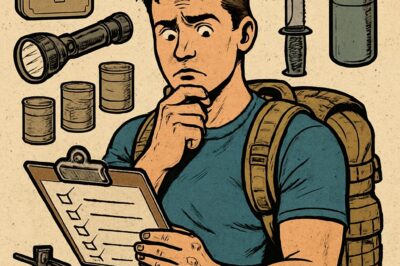
Your Preparedness Progress Review: How Ready Are You Really?
Most people overestimate their preparedness. Feeling ready and being ready are two very different things. An honest self-assessment is crucial to identify gaps, especially in areas like water storage and health. Regularly check and refresh supplies, because your preps have an expiration date…
-

Family Affair: How to Introduce Preparedness Culture At Home
Most families are unprepared for emergencies, with only 39% having a plan. Conversations framed around safety, not fear, can initiate preparedness at home. Building resilience through small, consistent habits involves everyone, including kids. Learn how a six-month practice schedule can bridge the gap between panic and calm…
-

How to Preserve Fresh Produce All Year Round
Stop tossing fresh produce. Extend its life from days to months with smart storage. Not every fruit or veggie belongs in the fridge! Discover proven techniques for preserving freshness, from freezing to the simple herb vase trick. Start with the freshest produce and transform your food storage game…
-

Staying Connected When Cell Towers Go Down
Cell towers can fail quickly in emergencies, leaving you without signal when it’s needed most. Discover reliable ways to stay connected, like two-way radios and mesh networks, along with essential tools like written communication plans and free alerts. Ensure you’re prepared when the network goes down…
-

Understanding Body Language and Non-verbal Communication for Safety
Discover how nonverbal cues like posture, gait, and awareness impact personal safety. Unveil the secrets of reading body language to identify potential threats and understand pre-attack signals. Empower yourself with the knowledge to communicate strength and stay safe in any situation…
-

Joint Preparedness: Building Stability, Balance, and Confidence
Your joints are foundational to every movement, yet they often go unnoticed until pain arises. Through targeted exercises and conscious daily habits, you can build joint stability, improve balance, and boost confidence while actively preventing injuries, ensuring long-term health and functionality for years to come…
-

Preparedness Psychology: Even When You’re Struggling
In a crisis, the brain shifts into survival mode, impairing decisions and emotions. Psychological preparedness builds mental tools to handle fear effectively. By practicing and rehearsing responses, we can improve our resilience and close the gap for vulnerable individuals, ensuring we remain functional when chaos strikes…
-

The Best Budget-Friendly Preparedness Purchases
Getting prepared for a disaster doesn’t have to drain your bank account. Start by leveraging free resources from FEMA and local services. Prioritize essentials like water and a first aid kit, and add one preparedness item per grocery trip to gradually build your supplies without strain…
-

Essential Medical Skills Everyone Should Learn
Emergencies strike without warning, making basic medical skills invaluable. Quick actions like CPR, AED use, and bleeding control can save lives. These skills bridge the gap before professionals arrive, potentially averting irreversible harm. Learn essential techniques today and be prepared when every second counts…
-

Bodyweight Benefits: Calisthenics for Mobility and Readiness
Your body is the only gym you’ll ever need. Calisthenics uses bodyweight for strength, endurance, and mobility—no gym required. This practice reduces injury risk, improves daily movement, and builds muscle effectively. Discover how to create a calisthenics routine that sticks and enhances readiness…