
James Greene
-

The Most Important Safety Items Every Home Should Have
Every home should be equipped with essential safety items like smoke alarms, carbon monoxide detectors, and fire extinguishers. These tools can make the difference between a close call and catastrophe. Also, don’t overlook emergency light sources and first aid kits to improve your household’s readiness for unexpected events…
-

Land Mammals: Modern Urban and Rural Navigation Skills Without GPS
In a world reliant on GPS, few know how to navigate without technology. Discover ancient skills, from reading the stars to interpreting landmarks. Urban and rural paths differ, and honing these skills is vital. Equip yourself with essential tools to find your way when technology fails…
-

Manual Labor: Can You Solve Problems Without Modern Tech?
Can you solve problems without technology? Many believe we can’t, but human history tells a different story. Our brains are wired for logic and creativity, making machines extensions of our capabilities. Discover the lost art of manual problem-solving and harness your innate skills today…
-

Why Your Neighbors May Be Your Greatest Preparedness Resource
Your neighbors are your true first responders. In a major disaster, emergency services will be overwhelmed, and the people next door may reach you first. Knowing them before a crisis builds trust and coordination that saves lives. Shared skills multiply your resilience…
-
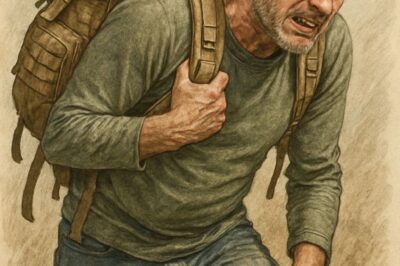
Can You Carry Everything You Need for One Mile?
Most preppers focus on gear, but if you can’t carry it when it matters, your prep plan has a gap. The one-mile carry test reveals this: can you lift a 55-pound water container, drag a 150-pound person, and keep moving under load? Discover how to improve…
-

Budget Builder: Small Home Upgrades That Increase Resilience
You don’t need a massive budget to improve home resilience — strategic upgrades under $600 can enhance security, power, and utility protection. Learn the highest-impact, lowest-cost changes, from reinforcing doors to backup power solutions, ensuring your home withstands disasters without overspending…
-

The Rise of Capability-Based Preparedness
Capability-based preparedness prioritizes skills over stockpiles because supplies run out, but skills don’t. Mindset is your most critical survival tool—staying calm, thinking creatively, and leading are invaluable. In crises, tradeable skills are currency. Building a prepared community enhances self-reliance and multiplies every skill you have…
-

Keep it Local: How to Reduce Your Dependence on Fragile Systems
Discover how hyperconnectivity increases risk and why local production is your best hedge against global disruptions. Learn the mindset shift that ensures resilience in the face of system failures and see how nature uses diversity and redundancy to thrive amid shocks that topple linear systems…
-

How to Build Everyday Functional Strength That Actually Matters
Functional strength training enhances daily movement through compound exercises, improving balance and injury resistance. Focus on squats, lunges, push-ups, and core rotations to build strength without equipment. Close the gap between gym feats and real-life tasks, ensuring your body can handle everything from lifting boxes to stumbling gracefully…
-

Five Fundamentals of Personal Preparedness
Water, food, shelter, skills, and self-defense are the core needs in emergencies. These five pillars of personal preparedness ensure that you can handle crises effectively. Understanding and preparing for these needs separates those who manage crises from those overwhelmed by them…