
Article-At-A-Glance
- Preparing for death is one of the most loving things you can do for the people you leave behind — it removes confusion, conflict, and financial burden during an already painful time.
- Most people avoid planning for death out of fear, superstition, or the false belief that there is always more time — but death does not wait for a convenient moment.
- A complete end-of-life plan covers far more than a will — it includes advance directives, digital asset instructions, funeral wishes, and unresolved emotional business with loved ones.
- Those who prepare for death report less fear, more peace, and a deeper appreciation for life — preparation transforms your relationship with living, not just dying.
- There is a critical difference between a “good death” and a “hard death” — and the choices you make today determine which one you and your family will experience.
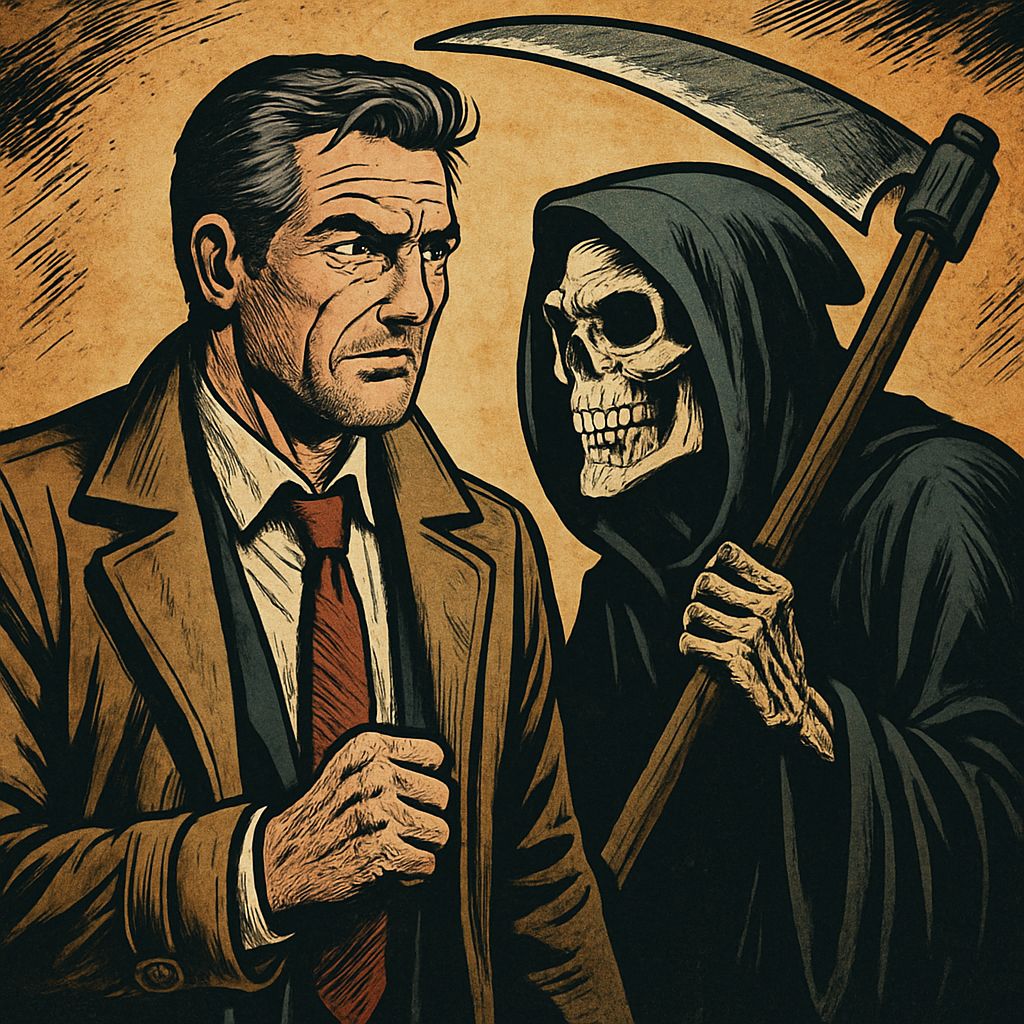
Death is the only appointment every single one of us will keep, yet most people spend more time planning a vacation than planning for the end of their life.
That is not a criticism — it is human nature. Thinking about our own death triggers discomfort, fear, and a kind of psychological resistance that is hard to push through. But here is what two decades of end-of-life work consistently shows: the people who prepare for death do not die more afraid — they die more at peace. And the people they leave behind are spared an enormous amount of pain, confusion, and financial chaos.
End-of-life planning resources exist precisely because this gap — between knowing we should plan and actually doing it — is so common. Whether you are 35 or 75, healthy or facing a diagnosis, the best time to build your end-of-life plan is right now, before it becomes urgent.
Death Is Coming — Here’s How to Face It
The resistance most people feel toward death planning is not really about death itself. It is about facing uncertainty — the loss of control, the unknown of what comes after, and the confrontation with the fact that our time here is finite. Once you understand that, the resistance starts to make sense. And more importantly, it starts to become something you can work through.
“Some people think that if they prepare for death, death will come knocking. The truth is, death is already at the door. Preparing for it simply means you answer with grace instead of panic.
Why Most People Avoid Planning for Death
There is a deeply rooted superstition embedded in many cultures that says talking about death invites it in. Beyond superstition, there is also the sheer discomfort of confronting our own mortality — a discomfort so powerful that many people defer end-of-life planning indefinitely, always finding a reason why now is not the right time. The result is that the majority of people die without a complete plan, leaving the people they love most to navigate confusion, legal complications, and grief all at once.
We spend enormous amounts of energy preparing people for the major transitions of life — childhood, adolescence, marriage, parenthood — and almost no energy preparing them for the final one. Death is not a failure or an anomaly. It is the last chapter of being alive, and it deserves the same thoughtful preparation as everything that came before it.
The Emotional and Financial Toll on Loved Ones Left Behind
The emotional cost of an unplanned death is hard to overstate. Families already deep in grief are suddenly forced to make rapid decisions about funerals, finances, medical equipment, and estate matters — often without knowing what the deceased actually wanted. Conflict between family members about what the person “would have wanted” is one of the most common and most painful outcomes of dying without a plan. These disagreements can fracture relationships permanently.
The financial toll compounds the emotional one. Without clear documentation, assets can be frozen, legal fees accumulate quickly, and families sometimes bear unexpected costs because there was no pre-arrangement for funeral or burial expenses. Most people say they want to discuss end-of-life wishes with their loved ones — but very few actually do. That gap between intention and action is exactly where the damage happens.
The Emotional Journey of Accepting Your Own Mortality
Preparing for death is not a single decision — it is a process. And that process almost always begins with an emotional reckoning. Before you can fill out a single legal form or make a single funeral arrangement, you have to get honest with yourself about the fact that you are going to die. That is harder than it sounds, and it is worth taking seriously.
Fear, Apprehension, and the First Step Toward Acceptance
The first step is simply allowing yourself to sit with the discomfort of mortality without immediately looking away. Most people deflect — they make a joke, change the subject, or tell themselves they will deal with it later. But later has a way of becoming never. The first real step toward acceptance is tolerating the thought of your own death long enough to ask: what would I want, and have I told anyone? That question, uncomfortable as it is, is the door that opens everything else.
How Contemplating Death Transforms the Way You Live
Something unexpected happens when people genuinely engage with their mortality — they start living differently. Priorities sharpen. Petty conflicts lose their weight. Relationships that matter move to the center. Time starts to feel precious rather than infinite. This is not morbid — it is clarifying. Hospice workers, palliative care nurses, and end-of-life doulas report this consistently: the people who have done the work of accepting their death are often the most fully alive.
From Fear to Fearlessness: What Changes When You Face Death Head-On
Fear of death is largely fear of the unknown. When you build a plan — when you name your wishes, document your decisions, and have the hard conversations — the unknown shrinks. You stop being ambushed by the thought of death every time it crosses your mind, because you have already looked at it directly. That shift from avoidance to engagement is one of the most profound changes a person can make, and those who make it consistently describe a sense of relief, lightness, and unexpected peace. For those looking to enhance their preparedness, learning practical skills with others can also be a valuable step.
This is not about being unafraid of pain or loss or separation. Those fears may never fully leave. It is about no longer being paralyzed by the concept of death itself — and that distinction makes all the difference when the time comes.
What “Being Prepared for Death” Actually Means
People hear “prepare for death” and immediately think of a will. A will is important, but it is only one piece of a much larger picture. True end-of-life preparedness covers your legal wishes, your medical wishes, your financial accounts, your digital life, your funeral preferences, and the unfinished emotional business that most of us carry. Missing any one of these areas leaves gaps that your loved ones will have to fill — often under enormous stress and without the information they need.
Think of end-of-life preparation not as a single document but as a complete system — one that gives the people who love you a clear map of exactly what you want and how to carry it out.
Legal Documents Every Person Needs Before They Die
There are four core legal documents that form the foundation of any solid end-of-life plan. Each one serves a distinct purpose, and the absence of any one of them creates a specific and avoidable problem.
- Last Will and Testament: Directs how your assets and possessions are distributed after death. Without one, the state decides — and its decision may bear no resemblance to your actual wishes.
- Durable Power of Attorney: Names a person who can make financial and legal decisions on your behalf if you become incapacitated. Without one, your family may need to petition a court — a slow and expensive process.
- Healthcare Proxy / Medical Power of Attorney: Designates someone to make medical decisions for you if you cannot make them yourself. This is the person who speaks for you in the hospital room.
- Advance Directive / Living Will: Documents your specific medical wishes — including resuscitation preferences, life support, and comfort care. Online tools make this process accessible and legally valid in most U.S. states.
Your Digital Life: What Happens to Your Online Identity After Death
Most people have no idea how many digital accounts they own until they try to count them — email, social media, streaming services, cloud storage, cryptocurrency wallets, online banking, subscription services. When you die, all of that still exists. And without clear instructions, your family will either be locked out entirely or left to navigate a labyrinth of platform-specific policies while they are grieving.
A digital estate plan does not have to be complicated, but it does need to exist. At minimum, create a secure document — stored in a password manager like LastPass or written in a sealed envelope kept with your will — that lists your major accounts, login credentials, and specific instructions for each one. Decide which accounts you want memorialized, which should be deleted, and who has the authority to carry out those wishes. Facebook, Google, and Apple all have official legacy contact or inactive account processes. Use them. Do not leave this to chance.
Pets, Possessions, and People: Accounting for Everything You Leave Behind
Pets are family, but the law treats them as property — which means without explicit instructions, your beloved dog or cat goes wherever the estate executor decides, which may not align with what you would have chosen. Name a specific person who has agreed to take your pet, and consider leaving funds designated for their care. Some estate plans include a pet trust, which is legally enforceable in all 50 U.S. states and ensures your animal companion is genuinely provided for.
Beyond pets, think carefully about meaningful possessions — jewelry, artwork, furniture, sentimental items — that are not valuable enough to be formally appraised but carry enormous emotional weight. These are often the source of the bitterest family disputes after a death. A simple written letter of instruction attached to your will, specifically naming who receives which item, can prevent lasting rifts between the people you love most. To ensure you’re fully prepared, consider learning more about storm readiness and other emergency preparations.
How to Have the Death Conversation With Your Family
Knowing you need to talk about death and actually starting that conversation are two very different things. Most people who want to discuss their end-of-life wishes with family members simply never find the right moment — and so the conversation never happens. The truth is, there is no perfect moment. There is only the decision to begin.
Why Families Resist Talking About Death
Family resistance to death conversations is almost never about indifference — it is about love expressed as avoidance. Adult children do not want to think about losing a parent. Spouses do not want to confront losing each other. Siblings worry that raising the topic will seem presumptuous, morbid, or even greedy. These are understandable emotional responses, but they leave families unprepared and end-of-life wishes undocumented. The discomfort of the conversation is temporary. The consequences of not having it can last a lifetime.
How to Start the Conversation Without Causing Panic
Use a third-party story as the opening. Referencing a friend, public figure, or news story about someone who died without a plan — or who had a remarkably peaceful death because of good planning — takes the immediate emotional pressure off your own family. It opens the door without putting anyone on the defensive. The Conversation Project offers free starter kits specifically designed to help families get this conversation going in a way that feels natural rather than forced. Additionally, consider how creating a neighborhood contact list can be a proactive step in emergency planning.
Timing and setting matter more than most people realize. A quiet Sunday afternoon at home lands very differently than springing the topic on someone at a holiday dinner with twelve people at the table. Choose a calm, private moment when no one is rushed or stressed. Frame it not as a crisis conversation but as a practical one — “I’ve been thinking about getting my affairs in order, and I want to make sure you know what I want.” That framing removes the emotional alarm and positions the conversation as responsible, not morbid.
Be specific about what you want from the conversation before you start it. Are you sharing decisions you have already made? Are you asking for input? Are you trying to find out what your aging parent wants? Knowing your own goal helps you guide the conversation with purpose rather than letting it dissolve into vague discomfort and change of subject.
Expect that the first conversation will not cover everything — and that is completely fine. Think of it as planting a seed rather than completing a task. The goal of the first conversation is simply to establish that this is a topic your family can discuss openly. Subsequent conversations can go deeper, get more specific, and cover additional ground. The Conversation Project’s research consistently shows that once families break through the initial resistance, most people feel relief — not dread — after talking about it.
If a direct conversation feels impossible, consider writing a letter first. A handwritten or typed letter expressing your wishes, values, and what matters most to you in the dying process can be a powerful way to start the dialogue. It gives recipients time to absorb the information privately before responding, which often makes the follow-up conversation significantly easier and more productive. You can also explore self-discipline techniques to help manage emotions and maintain focus during these discussions.
The Difference Between a Good Death and a Hard Death
The concept of a “good death” is not sentimental — it is practical. It describes a death in which the person’s wishes were known and honored, their loved ones were prepared, and the process of dying happened with dignity, comfort, and as little unnecessary suffering as possible. A hard death, by contrast, is one defined by confusion, conflict, medical interventions the person never wanted, and family members left to make impossible decisions without guidance. The difference between the two is almost always preparation.
What a Good Death Looks Like in Practice
A good death does not have to be peaceful in the cinematic sense — it does not require a sunny room, soft music, and everyone holding hands. It simply means that what happened aligned with what the person wanted. For some, that is dying at home surrounded by family. For others, it is in a hospice facility with professional care and minimal medical intervention. What makes it “good” is that the choice was made, communicated, and honored.
|
A Good Death |
A Hard Death |
|---|---|
|
Wishes documented and communicated |
No advance directive or living will in place |
|
Healthcare proxy named and informed |
Medical team making default decisions |
|
Family understands and respects wishes |
Family in conflict about what to do |
|
Funeral and burial preferences documented |
Loved ones making rushed, uninformed decisions |
|
Emotional unfinished business resolved |
Regret, estrangement, unspoken words |
|
Financial affairs in order |
Accounts frozen, legal fees accumulating |
The hospice and palliative care community has studied this extensively. What people most consistently want at the end of life is comfort over aggressive intervention, presence of loved ones, and the knowledge that they will not be a burden. None of those wishes can be honored unless they have been spoken aloud and written down. Preparation is not about controlling death — it is about shaping the experience of it as much as humanly possible.
End-of-life doulas and hospice workers who support families through the dying process report a consistent pattern: families who knew what their loved one wanted moved through grief with greater peace and less guilt. The grief was still profound — but it was clean grief, not grief tangled up with regret, conflict, and second-guessing.
The Role of Community and Family in the Dying Process
Death has been professionalized and institutionalized in ways that have quietly removed it from the center of community and family life. For most of human history, death happened at home, attended by family and neighbors, with the body washed and prepared by people who loved the deceased. That intimacy with death — uncomfortable as it sounds to modern ears — produced a kind of resilience and acceptance that many contemporary families lack entirely. In today’s world, creating a neighborhood contact list can help restore some of the communal support that was once integral to the process.
- Sitting with a dying person and simply being present — no fixing, no medical interventions, just presence — is one of the most profound gifts one human being can offer another.
- Involving extended family in end-of-life care, when the dying person consents, distributes the emotional labor and prevents the exhaustion and resentment that falls on a single caregiver.
- Community rituals around death — wakes, vigils, memorial gatherings — serve a critical psychological function: they mark the transition publicly and give grief a sanctioned space to exist.
- Organizations like the National Home Funeral Alliance support families who choose to reclaim a more hands-on, intimate role in after-death care.
Reclaiming death as a family and community experience does not mean rejecting professional medical support — it means refusing to outsource the human dimensions of dying entirely. When families stay engaged and informed throughout the dying process, they consistently report feeling more at peace with the loss, not less.
This is not a call to return to a romanticized past. It is a recognition that the clinical, institutional model of death — while necessary in many circumstances — can strip the dying process of exactly the human connection that makes it bearable. Where possible, stay present. Stay engaged. Be in the room, and consider how becoming harder to disrupt in everyday life can help maintain that connection.
For families navigating a terminal diagnosis, even small acts of reclaiming the dying process — preparing a meal the person loves, playing meaningful music, inviting people to come and say what needs to be said — create memories and closure that outlast the grief. These moments do not require money, medical expertise, or professional training. They require only the courage to show up fully for someone who is dying.
Why Children and Pets Should Not Be Excluded From Death
The instinct to protect children from death is understandable, but shielding them entirely from the dying process often does more harm than good. Children who are excluded from death — told that grandpa “went to sleep” or that grandma “went away” — are left to construct their own explanations for a loss they can feel but cannot understand. Age-appropriate honesty, inclusion in farewell rituals, and space to ask questions builds the emotional resilience that protects children throughout their lives. Similarly, pets often sense when a family member is dying — and allowing them to be present, rather than relocating them during the final days, honors both the animal’s bond with the dying person and the dying person’s connection to the pet. These are not small comforts. For many people, they are among the most important ones.
Practical Steps to Build Your End-of-Life Plan
An end-of-life plan does not need to be built in a single sitting — in fact, trying to do everything at once is one of the reasons people give up before they start. Break it into stages. Tackle one component at a time. What matters is not that the plan is perfect; it is that the plan exists and that the right people know about it. The following steps form a complete foundation that covers the most critical ground.
1. Write Down Your End-of-Life Wishes
Start with a blank document — physical or digital — and simply write down what you want. Where do you want to die, if you have a choice? Who do you want present? What medical interventions do you want, and which do you explicitly refuse? What does comfort mean to you at the end of life? These answers form the heart of your advance directive and give your healthcare proxy the information they need to advocate for you accurately.
Online tools provide a structured, legally recognized format that walks you through these questions one by one. It should cover not just medical preferences but also personal, emotional, and spiritual wishes — making it one of the most comprehensive and accessible advance directive tools available. It is legally valid in most U.S. states and written in plain language that anyone can understand and complete.
Do not underestimate the power of specificity here. Vague instructions like “keep me comfortable” or “do what you think is best” leave far too much room for interpretation under pressure. The more specific you are — about resuscitation, ventilator use, feeding tubes, hospice care, and the conditions under which you would or would not want life-prolonging treatment — the more protected you are. Your words become a shield that prevents others from having to make impossible decisions in your name.
2. Assign a Trusted Person to Carry Out Your Plan
The person you choose to carry out your end-of-life plan — whether as your executor, healthcare proxy, or durable power of attorney — is arguably the most important decision in this entire process. This is not an honorary role. It is a functional one that requires someone who is organized, emotionally steady under pressure, and willing to advocate firmly for your wishes even when other family members disagree. Love alone is not enough. Choose someone who can do the job.
Have a direct conversation with whoever you choose before you name them in any legal document. Make sure they understand what the role involves, that they are willing to take it on, and that they have read your wishes in full. A healthcare proxy who has never seen your advance directive is only marginally better than having no proxy at all. The person and the plan must work together — which means the person must know the plan inside and out before they are ever called upon to act on it.
3. Decide on Burial, Cremation, or Alternative Options
Funeral and burial decisions made in advance spare your family from having to make emotionally loaded, time-pressured choices while simultaneously processing grief. The average traditional funeral in the United States costs between $7,000 and $12,000. Cremation typically ranges from $700 to $3,000 depending on the provider and whether a memorial service is included. These are significant financial decisions, and having them made — and ideally pre-paid — removes a substantial burden from whoever is left to handle the arrangements.
Beyond traditional burial and cremation, alternative options are growing in availability and acceptance. Natural or green burial — in which the body is interred without embalming fluid, in a biodegradable container, in a designated natural burial ground — is now offered in locations across the United States and is legal in all 50 states. Aquamation (alkaline hydrolysis) is a water-based alternative to flame cremation that is increasingly available and leaves a smaller environmental footprint. Human composting, now legal in several states, converts human remains into nutrient-rich soil through a controlled natural decomposition process.
Whatever you choose, document it explicitly and make sure more than one person knows where that documentation is kept. Funeral homes like to work with families who come in prepared — and pre-arranging, even without pre-paying, gives your family a road map rather than a blank slate during one of the hardest weeks of their lives.
4. Resolve Unfinished Emotional Business With Loved Ones
This is the step most end-of-life planning checklists leave out — and it may be the most important one. Unfinished emotional business means the apologies never given, the conversations never finished, the estrangements that hardened into permanent distance. It means the things you have always meant to say but kept deferring because the moment never felt right. Death has a way of making those deferred moments permanent. The time to resolve them is now, not in a hospital room when there may be no time left.
This does not mean forcing reconciliation with people who have caused genuine harm, or manufacturing forgiveness you do not actually feel. It means taking an honest inventory of your relationships and asking: is there anything unresolved here that I would regret leaving unaddressed? For most people, the answer involves at least one or two relationships where something important has been left unsaid. Writing a letter — even one you never send — can be a powerful starting point. Actually sending it, or making the call, is even more powerful.
The hospice and palliative care community identifies four phrases that matter most at the end of life, often attributed to Dr. Ira Byock’s work in his book The Four Things That Matter Most: Please forgive me. I forgive you. Thank you. I love you. These are not complicated words. They are simply ones that too many people wait too long to say.
A practical exercise: Take a piece of paper and write down the names of the five people who matter most to you. Next to each name, write one thing you would regret leaving unsaid if you died tomorrow. Then decide — for each one — whether you are going to say it now or carry it with you indefinitely. That clarity alone is worth more than any legal document in your end-of-life plan.
Completing this emotional work does not just benefit the people around you — it changes your own experience of whatever time you have left. People who have resolved their most significant relationships consistently describe a sense of freedom and lightness that they did not expect. The weight of unfinished business is heavier than most people realize until they actually set it down.
5. Review and Update Your Plan Every Year
An end-of-life plan is not a document you create once and file away forever. Life changes — relationships shift, assets change hands, health circumstances evolve, and the person you named as your healthcare proxy five years ago may no longer be the right choice. Set a specific date each year — your birthday, January 1st, or the anniversary of a significant life event — to review every component of your plan and update anything that no longer reflects your current wishes or circumstances. You can use an online platform to store, organize, and share your end-of-life documents securely, ensuring that the right people always have access to the most current version of your plan.
Preparing for Death Makes You Better at Living
There is a quiet paradox at the center of all end-of-life work: the people who most fully accept that they are going to die are often the ones who live most fully in the time they have. When death stops being a threat lurking in the background and becomes an acknowledged reality you have planned for, something shifts. The trivial stops consuming so much energy. The meaningful moves to the foreground. Relationships deepen. Gratitude becomes less of a concept and more of a daily experience. Preparing for death is not a morbid exercise — it is one of the most life-affirming things a person can do. You are not preparing to disappear. You are preparing to leave well, to be remembered clearly, and to spare the people you love from unnecessary pain. That is not surrender to death. That is one final, lasting act of love.
Frequently Asked Questions
End-of-life planning raises a lot of practical questions — and the fact that you are asking them means you are already further along than most people. The following answers address the most common points of confusion that come up when people begin building their support system for the first time.
Many people assume end-of-life planning is only relevant for the elderly or the seriously ill. It is not. Accidents, sudden illness, and unexpected diagnoses do not check your age or health status before they arrive. The earlier you build your plan, the longer it has to be refined, the more conversations you have time to have, and the more prepared the people around you will be if something unexpected happens.
At What Age Should You Start Preparing for Death?
You should start preparing for death as soon as you are a legal adult — ideally in your 20s, and certainly no later than your 30s. At 18, you can legally designate a healthcare proxy and create an advance directive. At any age, you can document your wishes, have conversations with loved ones, and begin organizing your digital and financial accounts. Waiting until you are older or facing a health crisis means planning under pressure, with fewer options and less time.
Major life events are natural triggers for reviewing and expanding your plan: getting married, having children, buying a home, receiving a significant diagnosis, losing a parent, or entering retirement. Each of these transitions changes what your end-of-life plan needs to address. Use them as reminders to revisit your documents and update anything that has changed. For instance, understanding how many systems your home relies on can be crucial when buying a home or entering retirement.
What Documents Do I Need to Prepare for End of Life?
The core documents every person needs are a Last Will and Testament, a Durable Power of Attorney, a Healthcare Proxy or Medical Power of Attorney, and an Advance Directive or Living Will. Beyond those four, consider adding a POLST form (Physician Orders for Life-Sustaining Treatment) if you have a serious health condition, a digital estate plan that addresses your online accounts and assets, a letter of instruction that covers funeral preferences and the location of important documents, and — if you have dependents or pets — arrangements specifically designating their care. Online tools can help you create legally valid estate planning documents without the expense of a full attorney engagement, though complex estates should always involve professional legal counsel.
How Do I Talk to My Kids About Death and Dying?
Talk to children about death honestly, using clear and age-appropriate language — avoiding euphemisms like “passed away,” “went to sleep,” or “went to a better place,” which can create confusion and fear. Children are more capable of handling the reality of death than most adults give them credit for, and honest conversations build the emotional resilience that protects them throughout life. When a family member is dying, give children the option — not the obligation — to be involved in saying goodbye. Most children, when given genuine choice and honest information, choose to be present, and most later say they are glad they were.
What Is the Difference Between a Will and an Advance Directive?
A will — formally a Last Will and Testament — takes effect after you die and directs how your assets and possessions are distributed. An advance directive takes effect while you are still alive but unable to communicate your own medical wishes, directing healthcare providers and your designated proxy on what treatment you do and do not want. Both documents are essential, but they serve entirely different purposes at entirely different moments. One speaks for you after death. The other speaks for you when you cannot speak for yourself. You need both.
What Happens If You Die Without Any End-of-Life Plan in Place?
Dying without a plan — called dying “intestate” when referring specifically to the absence of a will — triggers a default legal process in which the state determines how your assets are distributed, who has authority over your medical decisions, and how your estate is administered. This process follows rigid legal formulas that may bear no resemblance to your actual wishes. Assets you intended for a specific person may go to someone else entirely. A person you would never have chosen may end up making critical decisions on your behalf.
Beyond the legal consequences, dying without a plan places an enormous and entirely avoidable burden on your loved ones. They are left to make funeral decisions, locate financial accounts, manage digital assets, and navigate family disagreements — all while grieving, all without clear guidance. The administrative chaos that follows an unplanned death can take months or years to fully resolve, and the emotional fallout — including family conflict over assets, decisions, and perceived fairness — can permanently damage relationships between the people you love most.
The absence of a plan is itself a decision — just one made by default rather than by choice. Every day you delay is a day that decision remains out of your hands. Building even a basic end-of-life plan — documenting your wishes, naming the right people, having the conversations — takes far less time than most people expect, and the peace of mind it delivers is immediate and lasting.



Leave a Reply