
Article At A Glance
- Your refrigerator stays safe for only 4 hours after a power outage — keeping the door closed is the single most important thing you can do.
- A full freezer buys you 48 hours, but a half-full freezer cuts that window to just 24 hours — stocking it strategically before storm season matters more than most people realize.
- Never taste food to determine if it’s safe — the bacteria that cause food poisoning don’t change the smell, taste, or appearance of food.
- Knowing which foods to eat first and which shelf-stable options to keep stocked can mean the difference between wasting hundreds of dollars in groceries and eating well through any outage.
- There’s a specific order to eating through your food during an outage — and most people get it completely wrong.
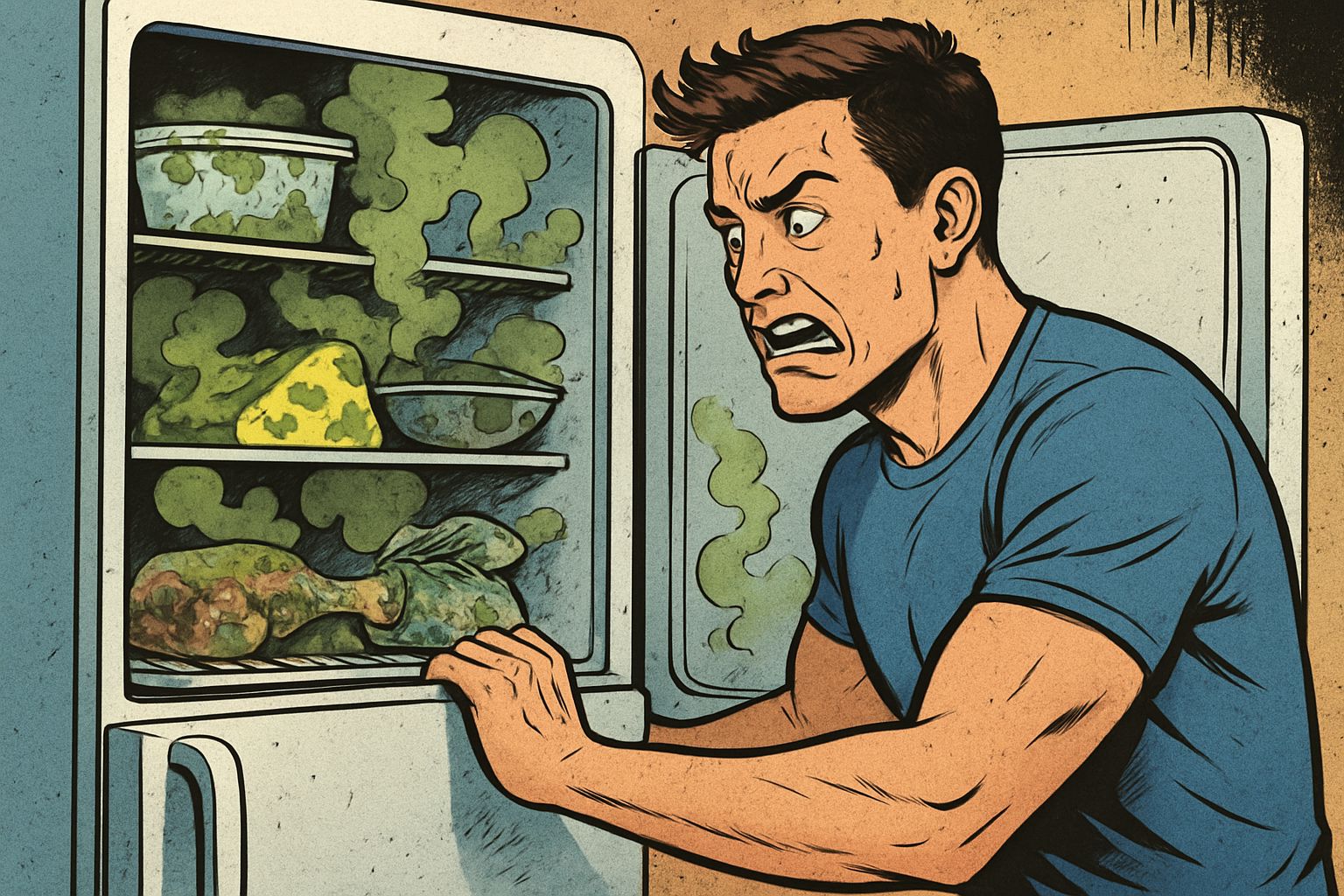
The power just went out, and your first instinct might be to open the fridge and take stock of what’s inside. Don’t. That single habit could be the difference between keeping your food safe for hours and throwing everything out by morning. Understanding how to manage your food during a power outage is one of the most practical emergency skills a homeowner can have.
Emergency preparedness isn’t just about flashlights and bottled water. Food safety during outages is a real and often overlooked risk. Good resources provide homeowners with the tools and knowledge to handle exactly these kinds of situations — from shelf-stable food supplies to the equipment that keeps your kitchen running when the grid goes down.
Your Food Has a Ticking Clock the Moment the Power Goes Out
The second your power cuts out, a countdown begins. Perishable food sitting in temperatures above 40°F for more than 2 hours enters what the USDA calls the “danger zone” — the range between 40°F and 140°F where bacteria multiply fastest. What makes this dangerous is that you can’t see, smell, or taste the difference in most cases.
Here’s what the clock looks like in real terms:
- 0–4 hours: Your refrigerator is still safe if kept closed.
- 4+ hours: Perishables in the fridge that have exceeded 40°F need to go.
- 0–48 hours: A full freezer holds its temperature safely.
- 0–24 hours: A half-full freezer is the limit before thawing becomes a concern.
- Immediately: Any food with an unusual odor, color, or texture should be discarded — no exceptions.
These aren’t rough estimates. These timelines come directly from the USDA’s Food Safety and Inspection Service (FSIS), the federal authority on food handling. The numbers assume the appliance door stays closed, which is why that step is so critical.
Most homeowners don’t realize just how quickly things go wrong. A 4-hour window sounds generous until you’re managing kids, candles, and a house full of questions in the dark. Having a plan before the power goes out is the only way to make smart decisions when it does.
The First Thing to Do: Stop Opening the Refrigerator
This is rule number one, and it’s harder to follow than it sounds. Every time you open the refrigerator door, warm air rushes in and drops the internal temperature significantly. A closed refrigerator acts like a cooler — the more you treat it like one, the longer it protects your food.
Before an outage ever happens, keep a refrigerator thermometer inside your fridge at all times. This lets you check the internal temperature without opening the door repeatedly. When the power comes back on — or when you finally need to assess the situation — you’ll know immediately whether your food crossed the 40°F threshold.
How Long a Closed Fridge Actually Stays Safe
According to the USDA FSIS, a closed refrigerator will maintain a safe temperature — below 40°F — for approximately 4 hours after losing power. This assumes the door remains shut and the fridge was already at a proper operating temperature before the outage. The moment you open it unnecessarily, you’re burning through that window faster.
One practical trick: if you know a storm is coming, lower your fridge temperature to its coldest setting beforehand. Starting colder gives you a buffer, and it costs almost nothing to do.
How Long a Closed Freezer Actually Stays Safe
Your freezer is a much stronger ally during an outage. A fully stocked freezer will hold its temperature for up to 48 hours when kept closed. A freezer that’s only half full drops to around 24 hours. The reason is simple — frozen food acts as its own insulation. More frozen mass means more thermal stability.
A useful pre-outage habit: fill empty space in your freezer with containers of water. As the USDA recommends, this adds thermal mass and effectively extends your freezer’s holding time. Those frozen water containers can also double as ice blocks in a cooler once the freezer starts to thaw. Consider building a food system to ensure you’re prepared for any situation.
Food Safety Rules You Cannot Ignore During a Power Outage
There are a handful of non-negotiable rules when it comes to outage food safety. These aren’t suggestions — they’re the guidelines that prevent foodborne illness, which can send healthy adults to the hospital and pose serious risks to children, the elderly, and anyone immunocompromised.
The 40°F Rule: Why a Food Thermometer is Non-Negotiable
The USDA is clear: perishable food that has been above 40°F for more than 2 hours should be discarded. A food thermometer — not your hand, not your gut — is the only reliable way to verify this. Keep both a refrigerator thermometer and an instant-read food thermometer in your emergency kit. They’re inexpensive tools that remove all the guesswork from one of the most important decisions you’ll make during an outage.
Don’t rely on whether food “feels cold.” Meat and dairy can feel cool to the touch and still be deep into unsafe temperature territory. The thermometer tells the truth when your instincts can’t.
The 2-Hour Danger Zone You Need to Know
The 2-hour rule applies any time perishable food sits above 40°F — whether the power is out or not. During a power outage, this clock starts the moment internal fridge temperatures climb past that threshold. If you’re in any doubt about when that happened, err on the side of caution. Foodborne illness from Salmonella, E. coli, and Listeria is not worth the risk of saving a $10 pack of chicken.
When in Doubt, Throw It Out
The USDA’s official guidance is straightforward: when in doubt, throw it out. No sniffing, no tasting, no guessing. Certain bacteria that cause food poisoning — including Staphylococcus aureus — produce toxins that survive even if you cook the food afterward. Cooking doesn’t make spoiled food safe. If you’re unsure, the food goes in the trash, not on the table.
What to Eat First When the Power Goes Out
When the power goes out, the order in which you eat your food is just as important as knowing what to throw away. Working through your food strategically means less waste, fewer safety risks, and a better shot at making it through a multi-day outage without a grocery run.
1. Perishables in the Fridge
Start with the most vulnerable items — the foods in your refrigerator that will spoil fastest. Think dairy products, cooked leftovers, raw meat, poultry, fish, and anything with eggs or mayonnaise as an ingredient. These need to be eaten, cooked, or discarded within that 4-hour window.
Prioritize meats and proteins first, especially anything that was already close to its use-by date. If you have a gas stove or a camp stove available, cook raw meat immediately and consume it. Cooked meat that hasn’t been above 40°F is still safe and can stretch your meals further into the outage.
Check each item individually rather than making a blanket decision about the entire fridge. Hard cheeses, butter, and some condiments can tolerate warmer temperatures longer than soft cheeses, milk, or opened deli meats. Use the USDA’s food safety chart as your reference point — it breaks down specific foods and their safe handling windows with precision.
Quick Reference: Fridge Foods to Prioritize Eating First
Eat or Cook Immediately (Most Vulnerable): Raw meat, poultry, and seafood • Cooked leftovers • Soft cheeses (brie, ricotta, cottage cheese) • Milk and cream • Opened deli meats • Foods containing mayonnaise (potato salad, egg salad) • Cut fruits and vegetables
Eat Within a Few Hours (Moderate Risk): Hard-boiled eggs • Yogurt • Hard cheeses (cheddar, parmesan) • Butter and margarine • Fruit juices (opened)
Generally Safer Longer (Lower Risk): Whole fresh fruits and vegetables • Peanut butter • Jelly and jam • Vinegar-based dressings • Ketchup and mustard
2. Fresh Foods That Don’t Need Refrigeration
Once you’ve worked through the most vulnerable fridge items, shift your focus to fresh produce that holds up at room temperature — bananas, apples, citrus fruits, tomatoes, avocados, potatoes, onions, and garlic. These are your bridge foods. They don’t need power to stay safe, and they add real nutrition to outage meals that might otherwise lean heavily on canned goods.
3. Canned and Shelf-Stable Foods
Canned goods, dried beans, rice, pasta, crackers, and peanut butter are your long-game provisions. These should be the last category you reach for, since they’re the most resilient and don’t carry a spoilage risk. Save them for when the fridge and fresh food options are exhausted.
One practical note: if you’re planning to eat canned food without being able to heat it, choose options that are palatable cold — canned chicken, tuna, beans, and soups with lower sodium levels are all solid choices. Stock a manual can opener in your emergency kit, because an electric one won’t help you when the grid is down.
Foods That Are Safe at Room Temperature
Several everyday foods are completely safe to eat at room temperature and require no refrigeration at all. Peanut butter, crackers, dried fruit, nuts, granola bars, shelf-stable milk (UHT), honey, whole grain cereals, and hard candy are all reliable options. Commercially packaged jerky, trail mix, and nut butters can last weeks without refrigeration. These aren’t just backup snacks — they’re legitimate meal-builders that can carry you through days without power when combined strategically.
How to Keep Food Cold Without Power
When you know the fridge is losing its battle against rising temperatures, your next move is to actively extend your cold food storage using what you have available. The goal is simple: keep perishables below 40°F for as long as possible using coolers, ice, and smart food placement.
Ice is your most valuable resource. A block of ice lasts significantly longer than cubed ice in a cooler — up to twice as long in some cases. If you have advance warning of a storm or outage, buy block ice and store it in a high-quality cooler like the Coleman 54-Quart Steel-Belted Cooler, which can maintain ice for up to 4 days under normal conditions. Dry ice is even more effective, keeping food frozen for 24 to 48 hours in a standard cooler, but it requires careful handling with insulated gloves and should never be placed in an enclosed space without ventilation.
If ice isn’t available, group your perishables together in the coolest part of your home — typically a basement or interior room away from windows. Keeping foods clustered together slows the rate at which individual items warm up, buying you a little extra time to make decisions about what to cook and what to discard. For more tips, check out this article on storm readiness.
Cooler vs. Refrigerator: How Long Food Stays Safe
Closed Refrigerator (no power): Up to 4 hours • Assumes door stays closed • No ice needed
Cooler with Block Ice: 48–72 hours • Requires pre-bought block ice • Best for meats and dairy
Cooler with Cubed Ice: 24–36 hours • Readily available • Melts faster, monitor water levels
Cooler with Dry Ice: 24–48 hours (frozen) • Requires protective gloves • Keep ventilated
Whatever method you use, resist the urge to open the cooler unnecessarily. The same rule that applies to your refrigerator applies here — every time you lift the lid, you accelerate the temperature rise inside.
Use Coolers and Ice to Buy More Time
- Use a separate cooler specifically for drinks so your food cooler stays closed longer.
- Pre-chill your cooler with ice for 30 minutes before loading it with food.
- Pack food tightly — air gaps cause ice to melt faster.
- Place ice on top of food, not underneath — cold air sinks.
- Drain cooler water only when necessary; cold water still keeps food safe and slows further melting.
- Keep coolers in the shade or in the coolest room in the house.
The cooler strategy isn’t just for extended outages. Even a 6-hour outage in summer heat can push your fridge past the danger threshold faster than you’d expect. Having a cooler ready to go — and ice already stocked in your freezer — means you can act in the first 15 minutes rather than scrambling when it’s already too late.
For households in hurricane-prone or storm-heavy regions, investing in a high-performance cooler is genuinely worth the cost. Rotomolded coolers like the YETI Tundra 45 are built with commercial-grade insulation that keeps ice significantly longer than standard models, giving you a real edge during multi-day outages when ice resupply isn’t guaranteed.
It’s also worth noting that a cooler full of frozen water bottles pulled from your freezer works almost as well as store-bought ice in many situations. If you’ve been freezing water containers as part of your preparedness routine, this is exactly the moment they pay off.
Group Foods Together in the Freezer
If your freezer is only partially full when the power goes out, consolidate everything toward the center and fill gaps with frozen water bottles, bags of ice, or even crumpled newspaper for insulation. A tightly packed freezer maintains its temperature longer because there’s less air to warm up and more frozen mass generating cold. This simple rearrangement can add several hours to your safe window.
No-Cook Meals That Actually Work During an Outage
Eating well during a power outage doesn’t have to mean cold beans straight from the can. With a little creativity and some basic pantry staples, you can put together genuinely satisfying meals without touching a stove or oven. The key is thinking in combinations — protein plus a carb plus something with flavor — rather than trying to replicate your normal cooking routine.
Some of the most practical no-cook meals include peanut butter and honey on whole grain crackers, canned tuna or chicken mixed with mustard and eaten on bread, bean and cheese wraps using shelf-stable tortillas, trail mix with dried fruit and nuts, canned chickpeas with olive oil and salt, and ready-to-eat soups that can be consumed at room temperature. These aren’t exciting, but they’re nutritious, filling, and require nothing but a bowl and a spoon.
Protein-Packed No-Cook Options
Protein is the hardest macronutrient to get without cooking, but it’s entirely doable with the right pantry staples. Canned tuna, canned salmon, canned chicken, sardines, and shelf-stable hard-boiled eggs are all ready to eat straight from the package. Pair any of these with crackers, bread, or tortillas and you have a complete meal in under two minutes. Nut butters — peanut, almond, or cashew — are calorie-dense protein sources that require zero preparation and keep for months without refrigeration.
Simple Meals You Can Heat on a Camp Stove
If you have a propane camp stove like the Coleman Classic Propane Camp Stove, your meal options expand significantly. Always use camp stoves outdoors or in well-ventilated spaces — never inside your home or garage. Carbon monoxide buildup from indoor stove use is a genuine and serious risk that causes fatalities every year during power outages. For more tips on staying safe during emergencies, check out our guide on storm readiness and severe weather preparation.
With an outdoor stove and a single pot, you can heat canned soups, cook instant oatmeal, boil pasta, make rice, and heat canned chili or beans. Keep a small camping cookware set in your emergency supplies — something compact like the GSI Outdoors Pinnacle Camper Cookset stores easily and handles everything from boiling water to sautéing vegetables. Prioritize single-pot meals during an outage to minimize dishes and water usage.
What to Stock Before the Next Outage Hits
The best time to prepare for a power outage is before one is ever in the forecast. A well-stocked emergency pantry doesn’t require a massive investment — it’s built gradually with intentional choices. Stock at least a 72-hour supply of food per person in your household, and aim for a full week if you live in an area prone to extended outages from hurricanes, winter storms, or wildfires. Focus on foods that are shelf-stable, calorie-dense, require minimal preparation, and that your family will actually eat. Here’s a practical baseline to build from:
- Canned proteins: Tuna, chicken, salmon, sardines, beans, and lentils
- Nut butters: Peanut butter, almond butter (shelf-stable, high calorie)
- Crackers and bread: Whole grain crackers, shelf-stable bread, or hardtack
- Dried goods: Rice, pasta, oats, dried beans, and lentils
- Canned fruits and vegetables: Corn, green beans, peaches, pears (choose low-sodium options)
- Shelf-stable dairy: UHT milk, powdered milk, shelf-stable cheese
- Snacks: Trail mix, granola bars, dried fruit, nuts, jerky
- Beverages: Bottled water (1 gallon per person per day), shelf-stable juice boxes
- Comfort items: Instant coffee, tea, hot chocolate, hard candy
- Equipment: Manual can opener, camp stove with fuel, food thermometer, cooler, and block ice
Rotate your emergency pantry stock every 6 to 12 months to keep everything fresh and within its use-by date. The easiest system is first-in, first-out — add new cans to the back and pull from the front. A well-maintained pantry means you’re never starting from scratch when the next outage hits, and the peace of mind that comes with it is worth far more than the shelf space it takes up.
Frequently Asked Questions
These are the questions homeowners ask most often when a power outage catches them off guard — answered clearly so you can act fast and confidently.
How long can food sit in the fridge without power before it goes bad?
Your refrigerator will keep food safe for up to 4 hours after a power outage, provided the door stays closed. This 4-hour window assumes your fridge was already running at or below 40°F before the outage began. Once internal temperatures climb above 40°F, the 2-hour clock on perishable food safety starts ticking.
The foods most at risk within that window include:
- Raw meat, poultry, and seafood
- Cooked leftovers and casseroles
- Milk, cream, and soft cheeses
- Foods with mayonnaise or egg-based dressings
- Cut fruits and vegetables
- Opened deli meats and hot dogs
Foods like hard cheeses, butter, whole fruits, and condiments such as ketchup and mustard can typically tolerate longer periods outside refrigeration — but when in doubt, use a food thermometer to verify temperature rather than relying on sight or smell. The USDA’s official food safety chart provides a comprehensive breakdown of specific foods and their outage safety windows.
Can I refreeze food that has thawed during a power outage?
The answer depends entirely on the food’s current temperature and condition. According to the USDA, food that still contains ice crystals or has maintained a temperature at or below 40°F can generally be safely refrozen — though the quality may suffer due to moisture loss during the thaw cycle. Meat, poultry, and seafood that still feel refrigerator-cold and have ice crystals present can be refrozen with acceptable results.
However, if food has been above 40°F for more than 2 hours, refreezing is not an option — it needs to be discarded. Never refreeze ice cream, soft cheeses, or any previously frozen meal that has fully thawed and warmed to room temperature. The risk of bacterial growth in those items during the thaw period makes them unsafe regardless of how they look or smell.
What foods are safe to eat without refrigeration during a power outage?
A surprisingly wide range of foods are completely shelf-stable and require no refrigeration at any point. The table below gives you a practical reference for what’s safe to keep and eat at room temperature:
|
Food Category |
Specific Examples |
Typical Shelf Life (Unopened) |
|---|---|---|
|
Canned Proteins |
Tuna, chicken, salmon, sardines, beans |
2–5 years |
|
Nut Butters |
Peanut butter, almond butter |
1–2 years |
|
Dried Grains |
Rice, pasta, oats, crackers |
1–3 years |
|
Canned Fruits & Vegetables |
Corn, peaches, green beans, tomatoes |
1–3 years |
|
Snacks |
Trail mix, jerky, granola bars, dried fruit |
6 months–2 years |
|
Shelf-Stable Dairy |
UHT milk, powdered milk |
6 months–1 year |
|
Condiments & Spreads |
Honey, jam, peanut butter, hot sauce |
1–2 years |
|
Beverages |
Bottled water, juice boxes, instant coffee |
1–2 years |
These shelf-stable items form the backbone of any solid emergency food plan. Having two to three weeks’ worth of these staples on hand means a power outage becomes an inconvenience rather than a crisis. Focus on variety — rotating between proteins, grains, and fruits keeps morale and nutrition levels up during a prolonged event.
One important note: once you open a canned or packaged item, shelf-stability no longer applies in the same way. Transfer unused portions to a sealed container and consume within 24 to 48 hours, especially in warm conditions. The “shelf stable” designation refers to the sealed product only.
Is it safe to eat food that still feels cold after the power has been out?
Feeling cold is not the same as being safe. The human hand cannot accurately detect the difference between 38°F and 48°F — both feel cold to the touch, but one is within the safe zone and one is not. The only reliable way to determine whether food is still safe is with a calibrated food thermometer. If the food reads below 40°F, it’s safe. Above 40°F for more than 2 hours, it’s not — regardless of how it feels, looks, or smells. For more tips on staying prepared, check out our guide on storm readiness.
This is one of the most common mistakes people make during outages, and it’s one of the most preventable causes of foodborne illness after a disaster. A basic instant-read thermometer like the ThermoPro TP03 Digital Instant Read Meat Thermometer costs under $15 and removes all the uncertainty. Keep one in your kitchen and one in your emergency kit — it’s among the highest-value tools you can have when the power goes out.
What should I do with medications that need refrigeration during a power outage?
Medications like insulin, certain biologics, and some liquid antibiotics require continuous refrigeration to remain effective. This is a medical priority that needs to be addressed before food concerns during a prolonged outage. Contact your pharmacist or prescribing physician immediately if you anticipate an extended power loss — many pharmacies and hospitals have emergency dispensing protocols during declared disasters.
In the short term, a small medical-grade cooler with ice packs can maintain the right temperature range for insulin and similar medications. The FRIO Insulin Cooling Wallet is a non-electric cooling solution specifically designed for insulin storage that uses evaporative cooling — no ice required — and keeps medication within the recommended 59°F to 77°F range for up to 45 hours.
Check the specific temperature requirements for each medication rather than assuming all refrigerated drugs follow the same rules. Some can tolerate room temperature for a short window; others cannot. The medication insert or your pharmacist will have the exact specifications. Never make assumptions about medication safety — the consequences of using compromised medication can be as serious as the illness it’s treating. For more information on maintaining a safe environment at home, consider learning about how many systems your home relies on every day.
For households managing chronic conditions that require refrigerated medications, building an outage plan specifically around medication storage is non-negotiable. Identify your local emergency resources ahead of time — some communities set up cooling centers and medical resource hubs during extended outages — so you know exactly where to go if home storage becomes inadequate.




Leave a Reply