

-

Building a Food System Instead of Just a Food Stockpile At Home
A home food system differs from a mere stockpile. It’s a self-reinforcing network of sourcing, preserving, and sharing food, ensuring supply regardless of disruptions. Move from reactive to intentional with habits that extend beyond emergency supplies, and rethink what you store to build a cycle that feeds you year-round…
-

The Compounding Benefits of Learning Any Martial Art
Martial arts train your body, mind, and emotions, offering profound physical and psychological benefits. From stress relief to self-confidence, beginners see positive changes quickly. Discover which martial art is the best starting point for boosting self-confidence and explore martial arts as a powerful tool for personal growth…
-

How to Become Harder to Disrupt in Everyday Life
Disruptions are unavoidable, but how badly they derail you is within your control. Life will throw curveballs, and learning to bend without snapping is key. Resilience isn’t a genetic gift; it’s a skill. Discover the 1% better approach and habit auditing to become harder to disrupt…
-

Create a Neighborhood Contact List BEFORE an Emergency Happens
A neighborhood contact list is one of the simplest tools you can build — and most people don’t have one. Collecting vital information such as names, phone numbers, and medical needs ensures quick communication. Don’t wait for chaos to strike; prepare your community before emergencies happen…
-

Is Your “Smartphone” Actually Useful in an Emergency?
Your smartphone can be a lifesaver in emergencies if set up correctly. Beyond calling 911, smartphones offer satellite SOS, offline maps, and emergency alerts. Unfortunately, many haven’t used these features. Preparation is key to transforming your device into a true emergency tool. Here’s how to get started…
-

Self-Discipline Science: More Habits, Less Willpower
Explore the science of self-discipline, where habits triumph over willpower. Discover how the brain’s prefrontal cortex and environmental design create automated success. Learn why high achievers rely on cues and rewards to transform their daily routines. Unlock the power of habit formation for effortless discipline…
-
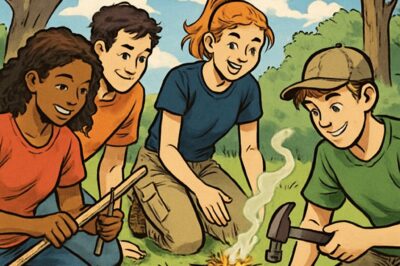
Support System: Learning Practical Skills With Others
Learning practical skills in a group setting accelerates progress through social accountability and peer feedback. Surrounding yourself with like-minded individuals ensures consistency, even when motivation dips. Discover the proven science that turns shared learning into faster, more lasting results…
-

Bug-Out Bag vs. Get-Home Bag: What’s the Difference?
A get-home bag and a bug-out bag serve distinct purposes. While commonly mistaken, each is critical during emergencies. The get-home bag ensures a swift return to safety, whereas the bug-out bag readies for extended survival. Understanding their differences is vital for preparedness. Discover why the get-home bag comes first…
-

Training for the Unexpected: How to Build Emergency Readiness
Emergency situations demand more than gym strength. Functional fitness, emphasizing real-world skills like agility and grip strength, can be lifesaving. Learn why standard routines fall short and how to mentally prepare for crises. Discover the importance of simulation-based training for true readiness…
-

Some Common Financial Mistakes to Avoid
Many people unknowingly leak money through common financial pitfalls. Understanding and avoiding these mistakes gives you an edge in managing money better. Key slip-ups include not tracking expenses, credit card debt, and poor housing or vehicle decisions. Discover how a simple financial plan can guide your choices…