
Zero Waste Cooking at a Glance
- Fermentation is one of the most powerful zero waste cooking techniques — it transforms scraps, surplus produce, and leftovers into flavorful, shelf-stable foods.
- You don’t need expensive equipment to start fermenting — a recycled glass jar and some salt are genuinely all you need.
- Globally, roughly 1.3 billion tonnes of food is wasted every year, and home fermentation directly cuts into that number at the household level.
- Bulk grocery stores and zero waste shops carry every staple ingredient fermentation requires, eliminating packaging waste before it starts.
- There’s a surprisingly easy first ferment that takes under 10 minutes of prep — and it’s probably sitting in your fridge right now.
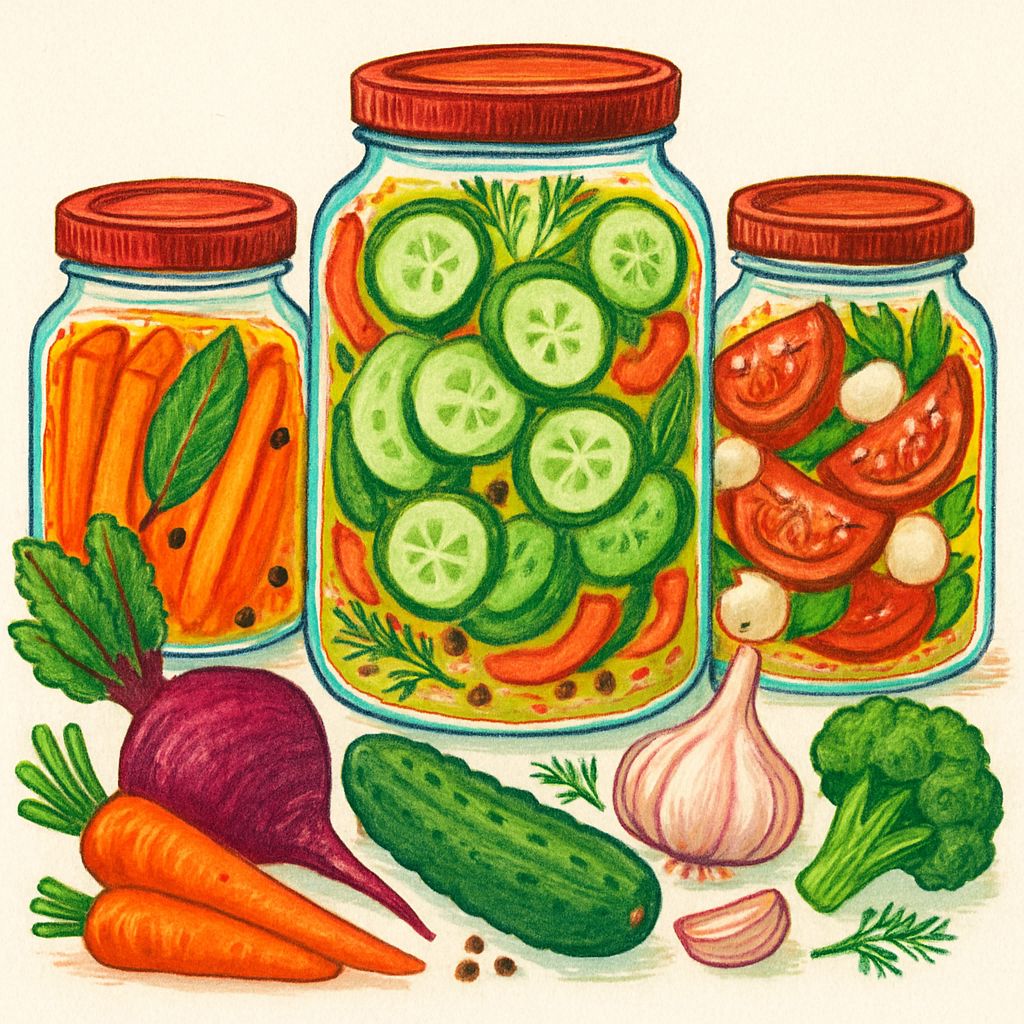
Most people throw away more food in a week than fermentation uses in a month.
Zero waste cooking isn’t just about composting or buying less — it’s about rethinking what counts as an ingredient in the first place. Fermentation is the ancient technique that makes that possible, turning wilting cabbage into sauerkraut, leftover fruit into kombucha, and surplus vegetables into probiotic-rich pickles that last for months. For anyone serious about sustainable cooking, Revolution Fermentation offers practical tools and guidance that make the transition from conventional to zero waste cooking genuinely approachable.
The connection between fermentation and zero waste living runs deeper than most people realize. It’s not just a preservation method — it’s a philosophy that treats every ingredient as valuable and every scrap as an opportunity.
1.3 Billion Tonnes of Food Wasted Every Year — Fermentation Fixes That
According to the Food and Agriculture Organization of the United Nations, approximately 1.3 billion tonnes of food is lost or wasted globally every year. That number is staggering — and a meaningful portion of it happens right in home kitchens, one forgotten vegetable drawer at a time.
Fermentation directly attacks this problem at its source. When vegetables start to soften, most people see compost. A fermentation-minded cook sees the beginning of a lacto-fermented pickle, a kimchi, or a brine-heavy condiment with weeks of shelf life ahead of it. The transformation isn’t just practical — it’s genuinely delicious.
What makes fermentation uniquely powerful as a zero waste tool is the way it works with the natural biology of food rather than against it. Instead of trying to halt decomposition through freezing or vacuum sealing, fermentation redirects microbial activity toward preservation. The good bacteria win, the food stays safe, and the flavor intensifies in ways that refrigeration simply cannot replicate.
What a Basic Fermentation Kit Actually Needs
The fermentation industry loves to sell elaborate starter kits, but the truth is that the barrier to entry is almost laughably low. Before spending a cent, check your recycling bin — because your first fermentation vessel is probably already there.
Glass Jars Are the Only Essential Container
A clean, recycled glass jar is genuinely all you need to start fermenting vegetables. Mason jars work perfectly, but any wide-mouth glass jar with a lid — rescued from pasta sauce, jam, or pickles — does the job just as well. Glass is ideal because it’s non-reactive, easy to sterilize, and lets you see exactly what’s happening inside your ferment without opening it.
For most lacto-fermented vegetables, you’ll pack your produce tightly into the jar, add a 2% salt brine by weight (20 grams of non-iodized salt per 1 liter of water), and make sure everything stays submerged below the brine line. A smaller jar or a zip-lock bag filled with brine works as a weight to keep vegetables under the surface — no specialty equipment required. If you’re interested in other DIY projects, consider exploring crafting natural solutions with DIY soap and detergent kits.
Why Plastic and Metal Containers Don’t Work
Plastic containers absorb odors and can leach compounds into acidic ferments over time, which is both a food safety concern and a flavor problem. Metal, unless it’s food-grade stainless steel, reacts with the acids produced during fermentation and can corrupt both the taste and the safety of your batch. Stick with glass every time.
The Burping Method: How to Release Gas Safely
During active fermentation, carbon dioxide builds up inside sealed jars. If you’re using a standard lid rather than an airlock, you’ll need to “burp” your jar once or twice a day by briefly loosening the lid to release the pressure. Airlocks — which attach to mason jar lids and allow gas to escape without letting air in — are a worthwhile upgrade if you plan to ferment regularly, but they’re an enhancement, not a requirement. For more eco-friendly kitchen tips, check out these clever DIY hacks for countertop compost collectors.
Zero Waste Grocery Shopping for Fermentation Ingredients
One of the most overlooked advantages of fermentation as a zero waste practice is how naturally it aligns with package-free shopping. Nearly every ingredient required for home fermentation — salt, sugar, water, vegetables, flour — can be sourced in bulk with zero packaging.
Zero waste grocery stores and bulk buying co-ops typically stock non-iodized sea salt, organic cane sugar, whole grains, and dried fruits — all of which serve double duty as fermentation staples and everyday pantry essentials. Buying in bulk not only eliminates single-use plastic but also costs significantly less per gram than packaged equivalents, making zero waste cooking genuinely more affordable over time. For those interested in crafting their own cleaning products, you might explore natural solutions with DIY soap and detergent kits.
Bulk Stores Are the Best Source for Fermentation Staples
When sourcing ingredients for fermentation, the priority list is short:
- Non-iodized salt — iodine inhibits the good bacteria you’re trying to cultivate
- Filtered or dechlorinated water — chlorine in tap water can also disrupt fermentation cultures
- Organic vegetables — pesticide residues can interfere with wild fermentation cultures
- Whole wheat or rye flour — for sourdough starters, sourced from bulk bins
- Organic cane sugar — for feeding kombucha SCOBYs and water kefir grains
Every item on that list is available package-free at a bulk store, meaning your fermentation practice can be genuinely zero waste from the very first shopping trip.
How to Feed Water Kefir, Sourdough, and Kombucha Without Packaged Goods
Living cultures like water kefir grains, sourdough starters, and kombucha SCOBYs need regular feeding to stay active. Water kefir grains thrive on organic cane sugar and filtered water — both bulk bin staples. Sourdough starter only needs flour and water in equal parts by weight, refreshed every 24 hours at room temperature or weekly if stored in the fridge. Kombucha SCOBYs require plain black or green tea and white sugar, both of which are easy to source without packaging from loose-leaf tea suppliers and bulk food stores. For those looking to enhance their preparedness skills, this guide to basic navigation skills might be useful.
6 Foods You Can Ferment to Eliminate Kitchen Waste
Fermentation works with almost any whole food — vegetables, grains, dairy, legumes, fruit — which means the range of waste you can redirect is enormous. The six categories below cover the most impactful places to start, chosen because they replace high-packaging products you’re likely already buying.
Quick Reference: Ferment vs. What It Replaces
Fermented Food
Replaces
Approx. Shelf Life
Lacto-fermented vegetables
Packaged pickles, canned vegetables
3–6 months
Kombucha / Water Kefir
Bottled sparkling drinks, sodas
2–4 weeks (fridge)
Homemade condiments
Jarred sauces, packaged dressings
1–3 months
Sourdough bread
Plastic-wrapped store bread
5–7 days
Miso / Soy sauce
Packaged umami pastes and sauces
6–12 months
Cultured butter / Nut cheese
Packaged dairy and dairy alternatives
2–4 weeks
Each of these ferments uses simple, bulk-sourceable ingredients and produces something that genuinely tastes better than its packaged equivalent. That’s the zero waste win hiding in plain sight — you’re not sacrificing quality. You’re upgrading it.
The other advantage worth noting is that fermented foods are living products. They continue to develop flavor over time, which means a jar of lacto-fermented hot sauce made in October tastes completely different — and usually better — by December. You get more value from the same ingredient simply by giving it time.
1. Lacto-Fermented Vegetables Last Months Without Refrigeration
Lacto-fermentation is the process behind sauerkraut, kimchi, traditional dill pickles, and dozens of Eastern European and Asian fermented vegetable staples. It requires nothing more than vegetables, non-iodized salt, and time. The naturally occurring Lactobacillus bacteria on the surface of vegetables consume sugars and produce lactic acid, which preserves the food and creates that characteristic tangy flavor. A basic sauerkraut — shredded cabbage massaged with 2% salt by weight, packed tightly into a glass jar — can last 3 to 6 months at cool room temperature without any refrigeration at all.
2. Kombucha and Water Kefir Replace Store-Bought Sparkling Drinks
A single kombucha SCOBY (Symbiotic Culture of Bacteria and Yeast) can produce unlimited batches of fermented tea indefinitely, as long as you feed it regularly with plain black tea and organic cane sugar. The finished kombucha is lightly effervescent, tangy, and endlessly customizable with second-fermentation flavoring using fruit scraps or fresh ginger — both of which would otherwise go to waste.
Water kefir operates on the same principle but uses water kefir grains instead of a SCOBY, and ferments in plain sugar water rather than tea. Both beverages replace bottled sparkling drinks entirely, eliminating glass and plastic bottle waste with every batch you brew. A standard 1-liter batch of kombucha takes 7 to 10 days for the first ferment and just 24 to 48 hours for the second carbonation ferment.
3. Homemade Condiments Cut Out Condiment Packaging Entirely
Fermented condiments — hot sauce, ketchup, mustard, salsa, chutney — are among the most packaging-intensive items in a conventional kitchen. Every squeezable bottle and foil-sealed jar represents single-use plastic or lined metal that rarely gets recycled properly. Making lacto-fermented hot sauce from surplus chili peppers takes about 15 minutes of active prep, a week of fermentation at room temperature, and produces a product that’s more complex and flavorful than anything available commercially. For those looking to further reduce waste, consider these clever DIY hacks for countertop compost collectors to manage kitchen scraps efficiently.
4. Sourdough Starter Uses Bulk Flour With Zero Packaging
A sourdough starter is one of the most genuinely zero waste things you can maintain in a kitchen. It’s created by mixing equal parts flour and water and allowing wild yeast and bacteria from the environment to colonize the mixture over 5 to 7 days. Once active, it can be fed indefinitely with bulk-bin flour and tap water — no packaged yeast, no additives, no waste. The discard produced during regular feedings isn’t waste either; it works beautifully in pancakes, crackers, flatbreads, and pizza dough.
5. Miso and Soy Sauce From Kitchen Scraps and Surplus Produce
Miso is one of the most sophisticated zero waste ferments you can make at home, and it starts with ingredients that are often treated as waste. Surplus soybeans, chickpeas, or other legumes are cooked, mashed, mixed with koji (a fermentation mold grown on rice or barley), and packed into a jar with salt. Over 3 to 12 months, enzymatic activity transforms the paste into deeply umami miso that replaces every packaged version you’d otherwise buy. The liquid that separates from miso during fermentation is essentially tamari — a naturally gluten-free soy sauce alternative that costs nothing extra to produce. For more sustainable kitchen practices, consider these clever DIY hacks for countertop compost collectors.
6. Cultured Butter and Nut Cheese Replace Packaged Dairy Alternatives
Cultured butter is made by fermenting heavy cream with a live culture — crème fraîche or a small amount of active yogurt works perfectly — for 12 to 24 hours before churning. The result is a butter with a noticeably deeper, more complex flavor than standard sweet cream butter, and it requires no plastic packaging beyond the reusable glass jar used during fermentation. For dairy-free kitchens, fermented nut cheeses made from cashews or almonds — blended, inoculated with a probiotic capsule, and aged for 24 to 48 hours — produce a tangy, spreadable cheese that replaces every foil-wrapped store-bought equivalent.
Both are examples of fermentation at its most elegant: taking a simple, whole-food ingredient and using microbial activity to create something with far more value, flavor, and shelf life than the original.
How to Store Ferments the Zero Waste Way
Once your ferments are ready, storage is straightforward — and entirely package-free. Active ferments like kombucha and water kefir move to the fridge in the same glass jars used for brewing. Lacto-fermented vegetables stay in their original fermentation jars. Miso gets pressed under a layer of plastic-free parchment or a salt crust to keep air out. The key principle across all ferments is the same: keep them cool, keep them submerged in brine where applicable, and keep oxygen exposure minimal. No single-use packaging, no vacuum sealing, no special storage products required.
Fermentation Supports the Circular Food Economy
Fermentation isn’t just a kitchen practice — it’s a model for how food systems can function without generating waste at every stage. The circular food economy idea is simple: outputs from one process become inputs for the next. In a fermentation-centered kitchen, that loop closes constantly. Vegetable scraps become brine. Sourdough discard becomes crackers. Spent kombucha tea leaves get composted back into the garden. Nothing exits the system as waste because every byproduct has a next destination already planned.
This approach mirrors what traditional food cultures have practiced for centuries before industrial food processing made waste invisible by moving it off-site. Fermentation reconnects the home cook to that older, more efficient way of eating — one where knowing how to preserve food wasn’t a hobby but a fundamental life skill. Rebuilding that skill today isn’t just personally satisfying. It’s one of the most direct ways an individual can reduce their contribution to the 1.3 billion tonnes of food lost globally every single year. For those looking to enhance their sustainability efforts, consider these clever DIY hacks for countertop compost collectors.
How Local Producers’ By-Products Become New Ingredients
Small-scale food producers — breweries, dairies, bakeries, juice bars — generate enormous quantities of organic by-products that conventional supply chains treat as waste. Spent grain from craft breweries makes an exceptional base for fermented grain porridges and sourdough loaves. Whey drained from artisan cheese production is a ready-made lacto-fermentation starter liquid, rich in Lactobacillus bacteria and natural sugars. Pressing fruit pulp left over from cold-press juice operations into fermented vinegars or fruit kvass closes a loop that most producers don’t even know is open. When home fermenters source these by-products directly from local producers — often for free or at minimal cost — they participate in a genuinely circular food economy that benefits everyone in the chain.
Why Fermentation Reduces Dependence on Supermarket Packaging
Every ferment you make at home is a packaged product you no longer need to buy. That direct substitution effect is the clearest way to understand fermentation’s role in reducing packaging waste. A single active kombucha SCOBY eliminates the need to purchase bottled kombucha indefinitely. A sourdough starter maintained with bulk flour means no more plastic-wrapped sandwich bread. A jar of lacto-fermented kimchi replaces every single-use packaged version on the supermarket shelf. Over the course of a year, these substitutions add up to a substantial reduction in both household waste and grocery spending.
- One SCOBY produces unlimited kombucha batches, eliminating glass bottle purchases entirely
- A maintained sourdough starter replaces packaged yeast and store-bought bread simultaneously
- Fermented hot sauce made from surplus chili peppers replaces multiple condiment bottle purchases per year
- Homemade miso replaces packaged miso, tamari, and umami seasoning products in one ferment
- Cultured nut cheese eliminates foil-wrapped dairy alternative packaging from the weekly shop
The packaging reduction isn’t just symbolic. The average household that integrates fermentation into its weekly routine can eliminate dozens of single-use containers per month — glass, plastic, foil, and cardboard — simply by producing at home what it previously sourced from supermarket shelves.
Beyond packaging, fermentation reduces the refrigeration energy required to keep food safe. Lacto-fermented vegetables stored at cool room temperature in a cellar or pantry consume zero electricity. That’s a meaningful energy saving when multiplied across an entire household food supply, especially through winter months when root vegetable ferments can replace refrigerated fresh produce entirely.
Start Your First Ferment This Week
The single best ferment for a first-timer is a simple sauerkraut. You need one medium green cabbage, non-iodized sea salt at 2% of the cabbage’s total weight, and a clean glass jar. Shred the cabbage finely, weigh it, calculate 2% of that weight in salt, then massage the salt into the shredded cabbage for 5 to 10 minutes until it releases enough liquid to submerge itself. Pack it tightly into your jar, press it down until the brine rises above the cabbage surface, weigh it down with a smaller jar or brine-filled bag, and leave it at room temperature between 18°C and 22°C (65°F to 72°F). Burp the jar daily for the first three days, taste it from day five onward, and move it to the fridge when it reaches the level of sourness you enjoy. Total active prep time: under 15 minutes. Total cost: almost nothing. Total packaging waste generated: zero. For more on how fermentations help reduce waste, check out this article.
Frequently Asked Questions
Below are the most common questions from first-time fermenters getting started with zero waste cooking.
Do I need to buy a special fermentation kit to get started?
No — a fermentation kit is convenient but entirely optional. A recycled glass jar with a standard lid is genuinely sufficient for lacto-fermented vegetables, sourdough starter, and cultured condiments. Airlocks and specialty weights become useful when you’re fermenting regularly and want more consistent results, but they should be treated as upgrades rather than requirements. Start with what you already have, and invest in additional equipment only if you find yourself fermenting multiple batches per week.
How long do lacto-fermented vegetables actually last?
Properly made lacto-fermented vegetables kept submerged in brine and stored at cool room temperature or in the refrigerator last between 3 and 6 months without any quality loss. In many cases — particularly with sauerkraut and kimchi — the flavor continues to improve well beyond the first month. The acidity produced during fermentation creates an environment that is genuinely hostile to pathogenic bacteria, which is why fermented vegetables have been used as long-term food storage for centuries across cultures worldwide.
Can I ferment vegetables that are already going soft?
Yes, with some important qualifications. Vegetables that are softening but not moldy, slimy, or showing signs of rot are excellent candidates for fermentation. The fermentation process will soften them further, so the final texture will be noticeably less crisp than ferments made from fresh vegetables — but the flavor will still be excellent and the food will be perfectly safe.
- Cut away any bruised, discolored, or damaged sections before fermenting
- Use softening vegetables in kimchi or fermented salsa where texture matters less than in whole-vegetable pickles
- Avoid fermenting anything that smells off, shows visible mold, or has become slimy — compost those pieces instead
- Mixing slightly soft vegetables with fresh ones in the same jar produces acceptable results for most ferments
Carrots, peppers, green beans, and cucumbers all ferment successfully even when slightly past their prime crunch. Leafy greens like spinach or lettuce, however, break down too quickly to ferment well and are better directed toward pesto or cooked applications when they start to wilt.
The guiding principle is simple: if it still smells like food, it can almost certainly still become fermented food. The moment it smells like rot, the window has closed.
What is the easiest fermentation project for a complete beginner?
Sauerkraut is the definitive beginner ferment — two ingredients, one jar, no heat, no equipment beyond a knife and a cutting board. It’s forgiving, fast to prepare, and almost impossible to get wrong if the cabbage stays submerged below the brine. If you want something even faster, a simple fermented hot sauce made from blended chili peppers, garlic, and 2% salt by weight takes under 10 minutes of prep and produces a genuinely impressive result after just 5 to 7 days at room temperature.
How does fermentation reduce food waste compared to freezing or pickling?
- Freezing preserves food but requires continuous electricity, purpose-built containers, and eventually degrades texture over time — and it does nothing to add nutritional value
- Vinegar pickling extends shelf life but uses commercially produced vinegar (a packaged product), kills beneficial bacteria through pasteurization, and produces a less nutritionally complex result
- Fermentation requires no electricity, no packaged additives, and actively increases the nutritional value of food through the production of beneficial bacteria, B vitamins, and bioavailable minerals
- Shelf stability is comparable between fermentation and vinegar pickling for vegetables, but fermentation wins on flavor complexity and probiotic content without exception
- Cost favors fermentation significantly — the only inputs are salt, time, and a recycled jar
Freezing and pickling are both useful preservation methods, and there’s no reason to abandon them entirely. But fermentation occupies a unique position in the zero waste kitchen because it’s the only method that simultaneously preserves food, eliminates packaging, adds nutritional value, and generates flavor complexity — all without consuming energy or requiring anything beyond the simplest kitchen equipment.
The practical consequence is that a fermentation-centered kitchen generates less food waste, spends less on groceries, produces less packaging waste, and ends up with a pantry full of genuinely exceptional ingredients. That’s not a trade-off or a compromise — it’s an upgrade in every measurable direction.
Starting with a single jar of sauerkraut this week isn’t a small step. It’s the beginning of a fundamentally different relationship with food — one where nothing is wasted because nothing needs to be.




Leave a Reply