
- Medicinal plants have been used for thousands of years and many modern pharmaceuticals — including aspirin — are derived directly from plant compounds.
- You don’t need a large garden to grow powerful healing herbs; chamomile, peppermint, and lavender all thrive in small pots on a sunny balcony.
- Not all herbal remedies are safe for everyone — some plants interact with common medications or have toxic look-alikes, making proper identification and education essential before use.
- The most beginner-friendly medicinal herbs are ones already familiar from the kitchen — ginger, garlic, fennel, and chamomile — and these are the best starting points for building a home apothecary.
- Keep reading to discover which single medicinal plant has the broadest range of scientifically verified uses — the answer may surprise you.
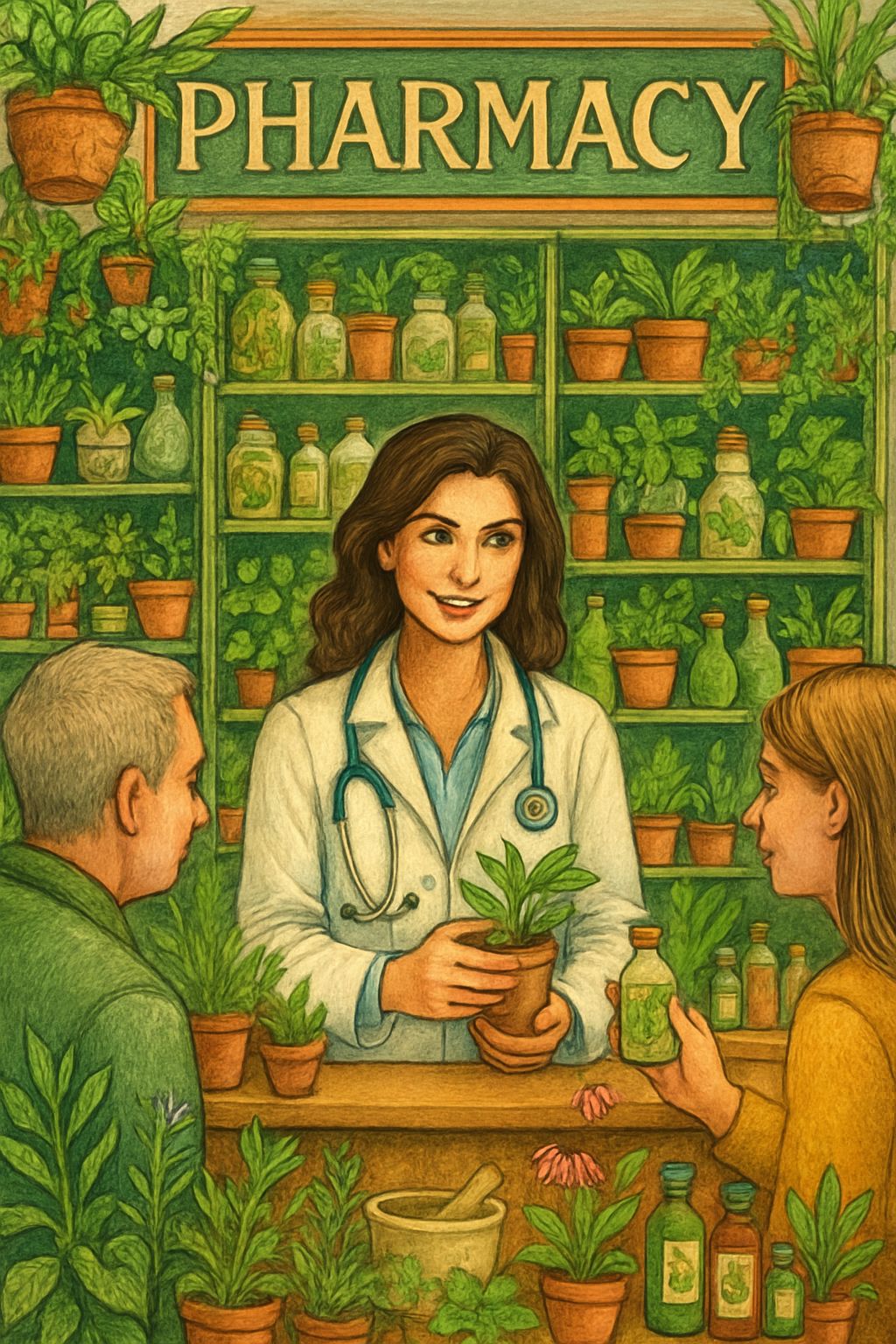
Nature’s Pharmacy Is Closer Than You Think
The most powerful healing tools on earth are growing in backyards, window boxes, and vacant lots right now — most people just don’t recognize them.
For the vast majority of human history, plants were medicine. Before pharmaceutical labs, before synthetic compounds, before prescription pads, people relied on what grew from the ground to treat fever, pain, infection, and everything in between. That knowledge wasn’t guesswork — it was accumulated over generations of careful observation, passed down through healers, midwives, and farmers who understood that certain plants consistently did certain things to the human body.
What’s remarkable is how well that knowledge holds up under modern scrutiny. Willow bark — used for centuries to treat pain — contains salicylic acid, the compound that became aspirin. Wild yam contributed to the development of powerful pharmaceuticals. Meadowsweet, another traditional pain remedy, also contains salicylic acid, and with fewer stomach side effects than its synthetic descendant. The gap between “folk remedy” and “evidence-based medicine” is a lot narrower than most people assume.
Why Medicinal Plants Have Stood the Test of Time
Plants produce bioactive compounds — not for our benefit, but for their own survival. These compounds defend against insects, fungi, bacteria, and UV radiation. When we consume or apply them, many of these same compounds interact with our biology in measurable, therapeutic ways.
That’s why echinacea genuinely stimulates immune response, why chamomile reliably eases anxiety, and why garlic has documented antimicrobial properties. These aren’t placebo effects. They’re the result of real chemistry — alkaloids, flavonoids, terpenes, glycosides — acting on real biological systems.
What keeps medicinal plants relevant today isn’t nostalgia. It’s that they work, they’re accessible, and for many common ailments — stress, poor sleep, digestive discomfort, minor inflammation — they work gently and with fewer side effects than synthetic alternatives. The key is knowing which plants to use, how to prepare them, and when to be careful.
How Medicinal Plants Actually Work
Every medicinal plant is essentially a chemical factory, producing compounds that interact with the human body in specific, predictable ways. Understanding this makes you a smarter, safer herbalist. For those interested in preparedness, consider exploring minimalism and mental clarity as part of your herbalist journey.
Active Compounds That Drive Healing
The therapeutic effects of medicinal herbs come from their phytochemicals — naturally occurring plant compounds with biological activity. The main categories include alkaloids (like the pain-relieving compounds in willow bark), flavonoids (anti-inflammatory agents found in chamomile and elderberry), terpenes (responsible for lavender’s calming scent and effects), and glycosides (heart-affecting compounds in plants like hawthorn). Each class of compound acts on the body differently, which is why different herbs produce such different results.
The Difference Between Medicinal Herbs and Culinary Herbs
The honest answer: there isn’t always a clear line. Garlic, ginger, fennel, and thyme are all culinary staples with well-documented medicinal properties. The distinction tends to be one of dose and intent — a sprinkle of turmeric in a curry provides some benefit, but a concentrated turmeric extract standardized to curcumin content is targeting a specific therapeutic outcome.
What separates a medicinal use from a culinary one is mostly concentration, preparation method, and purpose. Many herbs used historically to flavor food — yarrow, elderflower, St. John’s wort, licorice — were doing double duty as preservatives and medicines long before they were thought of as flavoring agents.
How the Body Absorbs Plant Medicine
Absorption depends heavily on how a plant is prepared. Water-soluble compounds extract well into teas and infusions. Fat-soluble compounds need oil or alcohol as a carrier — which is why tinctures (alcohol-based extracts) often deliver more concentrated doses than teas. Topical preparations like salves and poultices bypass the digestive system entirely, targeting localized tissue directly. Knowing this helps you choose the right preparation for the right situation, rather than defaulting to tea for everything.
The Top 10 Medicinal Plants Every Beginner Should Know
These ten plants offer the best combination of accessibility, safety, documented effectiveness, and ease of growing for anyone building their first home apothecary.
1. Echinacea – The Immune System Booster
Echinacea (Echinacea purpurea) is one of the most researched medicinal plants in the world, and its reputation for immune support is well-earned. Its active compounds — including alkylamides and polysaccharides — stimulate white blood cell production and modulate immune response, making it particularly effective when taken at the first sign of a cold or respiratory infection.
It’s also one of the more beginner-friendly plants to grow. Echinacea is a hardy perennial that thrives in full sun, tolerates poor soil, and produces striking purple coneflowers that also attract pollinators. The roots, leaves, and flowers are all medicinal, with the root being the most potent. Harvest roots in the fall of the plant’s third year for maximum active compound concentration.
2. Lavender – The Stress and Sleep Remedy
Lavender (Lavandula angustifolia) works on the nervous system through its primary active compound, linalool — a terpene with clinically demonstrated anxiolytic (anti-anxiety) and sedative effects. Inhalation alone is enough to trigger measurable changes in cortisol levels, making it one of the few medicinal plants where aromatherapy is a genuinely valid delivery method rather than just a pleasant ritual.
Beyond aromatherapy, lavender tea made from dried flowers is a reliable pre-sleep ritual, and lavender-infused oil applied to temples or pulse points can ease tension headaches. Grow it in well-drained, alkaline soil in full sun — lavender hates wet roots and actually performs better in lean, dry conditions than in rich garden soil.
3. Peppermint – The Digestive Powerhouse
Peppermint (Mentha piperita) earns its place in any beginner’s herb collection because it addresses so many common complaints — bloating, indigestion, nausea, tension headaches, and sinus congestion — using a single primary compound: menthol. Menthol activates cold receptors in the gut lining, relaxing smooth muscle and reducing spasms, which is why peppermint tea reliably eases an upset stomach within 20 to 30 minutes.
Peppermint is also one of the fastest-growing and most productive herbs you can plant. Fair warning: it spreads aggressively. Grow it in containers to prevent it from taking over garden beds. Harvest leaves before the plant flowers for the highest menthol concentration — once it bolts, the flavor and medicinal potency decrease.
For headaches, applying diluted peppermint essential oil to the forehead and temples has shown effects comparable to acetaminophen in small studies — remarkable for a plant you can grow in a window box.
4. Chamomile – The Gentle Calmer
German chamomile (Matricaria recutita) is the gold standard beginner herb — safe, versatile, and effective. Its primary flavonoid, apigenin, binds to the same receptors in the brain as benzodiazepines, producing a calming effect without dependency or sedation. A strong chamomile infusion before bed isn’t just a placebo — it’s mild but real pharmacology working in your favor.
5. Elderberry – The Cold and Flu Fighter
Elder (Sambucus nigra) is a plant that demands respect — and a little caution. The berries and flowers are safe and powerfully medicinal. The bark and raw berries contain cyanogenic glycosides and should never be used without proper processing. Elderberry syrup made from cooked, ripe berries has genuine antiviral properties and is one of the most evidence-supported herbal remedies for reducing the duration and severity of influenza.
Grow elder as a large shrub or small tree in moist, fertile soil. It produces both flowers (useful for fever and flu teas) and berries (for syrups and tinctures) — making it one of the most productive medicinal plants per square foot of garden space. For those interested in preparedness, elderberry can be an essential addition to your preparedness mindset.
6. Turmeric – The Anti-Inflammatory Root
Turmeric (Curcuma longa) contains curcumin, one of the most studied natural anti-inflammatory compounds in existence. Chronic inflammation is implicated in everything from arthritis to cardiovascular disease, and curcumin has demonstrated the ability to inhibit several key inflammatory pathways at the molecular level. The catch: curcumin is poorly absorbed on its own. Combining it with black pepper (which contains piperine) increases bioavailability by up to 2,000%, according to research — a specific detail worth knowing if you’re using turmeric therapeutically rather than just culinarily.
7. Ginger – The All-Purpose Healer
Ginger (Zingiber officinale) might be the single most versatile medicinal plant a beginner can work with. Its active compounds — gingerols and shogaols — produce anti-inflammatory, antiemetic (anti-nausea), and circulatory effects that make it useful across a surprisingly wide range of conditions. Fresh ginger tea is one of the fastest-acting natural remedies for nausea, motion sickness, and morning sickness. At higher concentrations, it rivals ibuprofen for reducing muscle pain and menstrual cramps in some studies — without the gastrointestinal irritation that NSAIDs commonly cause.
8. Valerian – The Natural Sleep Aid
Valerian (Valeriana officinalis) has been used as a sleep remedy since ancient Greece and Rome, and modern research gives it more credibility than most herbal sleep aids. Its root contains valerenic acid, which inhibits the breakdown of GABA in the brain — the same neurotransmitter targeted by prescription sleep medications, but through a gentler, non-habit-forming mechanism. It works best taken consistently over two to four weeks rather than as a single-night fix. For those interested in holistic approaches, exploring minimalism and mental clarity can complement the use of natural remedies like Valerian.
One thing beginners are always surprised by: valerian root smells terrible. The fresh root has an earthy, almost rancid odor that intensifies as it dries. This doesn’t affect its efficacy — but it does make capsules and tinctures far more practical than tea for most people. Grow it in moist, fertile soil in partial shade, and harvest roots in the fall of the second year when valerenic acid concentration peaks.
9. St. John’s Wort – The Mood Lifter
St. John’s Wort (Hypericum perforatum) is one of the most clinically studied herbal medicines in the world for mild to moderate depression and anxiety. Its active compounds — hypericin and hyperforin — influence serotonin, dopamine, and norepinephrine pathways in ways that parallel conventional antidepressants. Several rigorous clinical trials have found it comparable to low-dose SSRIs for mild depression, with fewer side effects. For those interested in holistic approaches, exploring minimalism and mental clarity can complement the benefits of St. John’s Wort.
However, St. John’s Wort comes with one of the most important drug interaction warnings in all of herbal medicine. It is a potent inducer of the CYP3A4 enzyme system in the liver, which means it significantly accelerates the metabolism of many common medications — including birth control pills, antiretrovirals, blood thinners like warfarin, and cyclosporine used in organ transplant patients. If you take any prescription medication, check interactions before using St. John’s Wort. This is not a plant to experiment with casually if you’re on a complex medication regimen.
10. Garlic – The Antimicrobial Bulb
The Power of Allicin: Garlic’s primary medicinal compound, allicin, is only produced when a clove is crushed or chopped — an enzymatic reaction that combines alliin and alliinase. Heat destroys allicin rapidly, which is why raw garlic is significantly more potent medicinally than cooked garlic. For therapeutic use, crush a clove, let it sit for 10 minutes to maximize allicin production, then consume it raw or add it at the very end of cooking. Discover more about the benefits of fermented foods for gut health.
Garlic (Allium sativum) has one of the longest documented histories of any medicinal plant on earth, with records of medicinal use spanning Egyptian, Greek, Roman, Chinese, and Indian traditions. That longevity isn’t coincidence. Allicin — garlic’s primary active compound — has demonstrated broad-spectrum antimicrobial activity against bacteria, viruses, fungi, and parasites in laboratory and clinical settings.
Beyond infection, garlic has meaningful cardiovascular benefits. Regular consumption has been shown to modestly reduce blood pressure, lower LDL cholesterol, and reduce arterial stiffness — effects that compound over time with consistent use. It’s one of the rare medicinal plants where eating it as food, at regular culinary doses, is enough to produce measurable therapeutic effects.
Garlic is also one of the easiest medicinal plants to grow. Plant individual cloves in the fall, pointed end up, about two inches deep and six inches apart in well-drained soil. Harvest the following summer when the lower leaves begin to yellow. Hardneck varieties like Rocambole and Purple Stripe tend to have higher allicin content and more complex flavor than softneck supermarket varieties.
How to Grow Medicinal Herbs at Home
Growing your own medicinal herbs closes the gap between plant and remedy in the most direct way possible — you know exactly what’s in your medicine because you grew it yourself. No fillers, no contamination concerns, no questions about whether the herb was harvested at peak potency. What starts as a few pots on a windowsill can evolve into a genuinely functional home apothecary over a single growing season. For those interested in a holistic approach, exploring the benefits of fermented foods for gut health can complement your herbal remedies.
The good news for anyone intimidated by gardening is that most medicinal herbs are among the hardiest, lowest-maintenance plants you can grow. Many of them — chamomile, yarrow, echinacea, calendula — actually prefer lean soil and neglect over rich, heavily fertilized beds. Stress makes medicinal herbs more potent, not less, because the plant produces more defensive phytochemicals when conditions are challenging.
Best Herbs for Small Spaces and Balconies
Container gardening is genuinely well-suited to medicinal herbs — better, in some cases, than open garden beds. Containers let you control soil drainage precisely, move plants to follow sunlight, and most importantly, contain aggressive spreaders like peppermint and lemon balm that would otherwise take over an entire garden.
A south-facing balcony or windowsill that receives six or more hours of direct sun per day can support a surprisingly complete medicinal herb collection. A 12-inch pot can comfortably grow a productive peppermint plant. Chamomile grows well in window boxes. Echinacea thrives in large containers. Even ginger can be grown indoors in a deep pot in a warm, humid spot — it just takes longer to mature than outdoor-grown plants.
If you’re choosing your first five container herbs for medicinal use, prioritize plants that address the most common everyday health complaints: stress, poor sleep, digestive issues, immune support, and inflammation. That combination covers the vast majority of situations where people reach for an over-the-counter remedy.
- Peppermint (Mentha piperita) — digestion and headaches; grow in its own container, full sun
- Chamomile (Matricaria recutita) — anxiety and sleep; window boxes, full sun
- Lavender (Lavandula angustifolia) — stress and insomnia; terracotta pots, excellent drainage
- Echinacea (Echinacea purpurea) — immune support; large containers, full sun
- Lemon balm (Melissa officinalis) — anxiety and digestion; partial shade tolerant, contains well
Soil, Sunlight, and Watering Requirements
Most Mediterranean medicinal herbs — lavender, rosemary, thyme, sage — want fast-draining, slightly alkaline, lean soil and full sun. Overwatering and heavy clay soil will kill them faster than frost. For these herbs, a mix of two-thirds potting soil and one-third perlite or coarse sand provides the drainage they need. Water only when the top inch of soil is completely dry.
Moisture-loving herbs like elderberry, valerian, and comfrey sit at the opposite end of the spectrum — they prefer rich, consistently moist soil and will tolerate partial shade. For these, a standard potting mix with added compost works well. The critical rule that applies to every medicinal herb: waterlogged roots cause root rot, which is the fastest way to kill any herb plant. Every container must have drainage holes, no exceptions.
How to Make Your Own Herbal Medicine
Making plant medicine at home doesn’t require specialized equipment or advanced chemistry knowledge. What it does require is understanding why different preparation methods exist — because the method you choose determines which compounds you extract, how concentrated the final product is, and how long it stays potent. For those interested in preparedness, learning about solar power solutions can also be beneficial in ensuring you have the resources needed for making herbal remedies during power outages.
The four main preparation types cover virtually every situation you’ll encounter as a home herbalist: teas and infusions for water-soluble compounds and everyday use, tinctures for concentrated, shelf-stable extracts, salves and poultices for topical application, and fermented preparations for probiotic-enhanced delivery. Each has its place, and most experienced herbalists use all four depending on what they’re treating.
Teas and Infusions
An herbal infusion is the simplest and most accessible form of plant medicine — hot water extracts water-soluble compounds from plant material in a process nearly identical to making a cup of tea. The difference between a medicinal infusion and a casual cup of herb tea is mostly time and quantity: a medicinal infusion typically uses one to two tablespoons of dried herb per cup (not a teaspoon), steeped covered for 10 to 15 minutes to prevent volatile compounds from escaping with the steam.
For roots, bark, and seeds — which are denser and release compounds more slowly — a decoction is more appropriate. Rather than just steeping, you simmer the plant material in water for 20 to 45 minutes. This is the correct preparation method for ginger root, valerian root, and hawthorn berries, where a standard steep would leave most of the active compounds locked in the plant material.
Tinctures and Extracts
A tincture is an alcohol-based extract that pulls both water-soluble and alcohol-soluble compounds from plant material simultaneously — making it more complete than a tea and significantly more concentrated. The standard home tincture ratio is 1:5 (one part dried herb by weight to five parts liquid by volume), using 40 to 60% alcohol such as vodka or food-grade grain alcohol. Pack dried herb into a glass jar, cover completely with alcohol, seal tightly, and leave in a cool dark place for four to six weeks, shaking daily. Strain through cheesecloth, press the marc (spent plant material) firmly to extract every drop, and store in dark glass dropper bottles. A properly made tincture lasts three to five years without refrigeration.
Salves and Poultices
Salves are fat-based preparations — typically beeswax combined with herb-infused oil — that deliver fat-soluble compounds directly to skin and underlying tissue. To make an infused oil, pack dried herb loosely into a jar, cover with a carrier oil like olive or sunflower oil, and let it infuse in a warm spot for four to six weeks, or use the gentle heat method: a double boiler at low temperature for four to eight hours. Strain the oil, then gently melt beeswax into it at a ratio of roughly one ounce of beeswax per cup of oil, pour into tins, and allow to cool. Comfrey salve for bruising and joint pain, calendula salve for skin irritation, and plantain salve for insect bites are the three most practical starting points for any home herbalist.
Fermented Herbal Beverages
Fermented herbal preparations combine the medicinal properties of the herbs with the probiotic and enzymatic benefits of fermentation itself — making them genuinely more bioavailable than their non-fermented equivalents in some cases. Elderberry kvass, ginger beer, and fire cider (a raw apple cider vinegar infusion with horseradish, garlic, ginger, and hot pepper) are all traditional fermented herbal remedies with real therapeutic value. Fire cider in particular has experienced a well-deserved revival — it’s easy to make, shelf-stable for up to a year, and delivers a concentrated dose of several potent medicinal plants in a single tablespoon.
Dosage Guidelines for Common Preparations
Dosage in herbal medicine is less standardized than in pharmaceutical medicine, but it’s far from arbitrary. As a general framework: dried herb teas are typically consumed as one to three cups per day; tinctures are commonly dosed at two to four milliliters (roughly 40 to 80 drops) two to three times daily; salves are applied topically as needed. Acute conditions — a cold coming on, sudden nausea, a tension headache — generally call for more frequent dosing over a shorter period. Chronic conditions like ongoing anxiety or inflammation respond better to consistent lower doses over weeks or months. When in doubt, start at the lower end of any recommended range and observe how your body responds before increasing.
Foraging Wild Medicinal Plants Safely
Wild foraging connects you to medicinal plants in their most potent, unaltered state — but it comes with responsibilities that indoor gardening simply doesn’t.
The plants growing wild in your local ecosystem have adapted to that specific soil, climate, and light exposure over centuries. That adaptation often makes wild-harvested herbs more chemically complex and medicinally potent than cultivated equivalents. Wild echinacea, wild elderberry, and wild valerian are frequently more aromatic and resinous than nursery-grown plants — a reliable indicator of higher active compound concentration. That said, foraging without proper identification skills is genuinely dangerous, and the beginner enthusiasm that makes foraging appealing is exactly what makes it risky without the right foundation. For those new to foraging, understanding the importance of safety and preparedness is crucial to ensure a safe and rewarding experience.
Essential Field Guides for Beginners
Your first investment in foraging should be a quality regional field guide — not a general North American or European guide, but one specific to your geographic area. Plant communities vary dramatically by region, and a guide that covers your local ecosystem will include the specific look-alikes, seasonal variations, and habitat details that make accurate identification possible. Steven Foster’s 101 Medicinal Herbs is an excellent companion reference for medicinal properties once you’ve confirmed identification. Tammi Hartung’s Growing 101 Herbs That Heal bridges the gap between wild foraging and cultivated growing. For making preparations from what you find, James Green’s The Herbal Medicine-Maker’s Handbook remains one of the best beginner resources available for home preparation methods. For more insights, you can explore a beginner’s guide to medicinal plants and herbs.
How to Identify Plants Without Making Dangerous Mistakes
The single most important rule in plant identification: never use a plant you cannot identify with 100% certainty from multiple characteristics simultaneously — leaf shape alone is never enough. Experienced foragers identify plants using a combination of leaf morphology, stem cross-section (round vs. square vs. hollow), flower structure, scent, habitat, growth pattern, and seasonal timing. A plant that matches on five out of six characteristics is not a confirmed identification — it’s a near-miss that could be dangerous. To ensure safety, adopting a preparedness mindset can be beneficial.
The safest approach for beginners is to learn one plant at a time, in all its seasonal forms, before moving to the next. Spend an entire season learning elderberry — its leaf shape, stem structure, flower clusters, berry formation, preferred habitat near water and forest edges — before you attempt to forage it. This slow, thorough approach feels inefficient at first, but it’s the method that separates confident, safe foragers from people who make dangerous mistakes.
Safety, Side Effects, and Drug Interactions
Herbal medicine’s natural origin does not make it automatically safe — a point that cannot be overstated. Some of the most toxic compounds known to science come from plants. The difference between a medicine and a poison is almost always dose, preparation method, and the individual taking it. Approaching medicinal herbs with the same informed caution you’d apply to any pharmacologically active substance is not excessive — it’s appropriate.
Herbs That Interact With Common Medications
Drug-herb interactions are real, documented, and in some cases life-threatening. St. John’s Wort is the most significant offender — its CYP3A4 enzyme induction can reduce the blood concentration of dozens of common medications to ineffective levels, including oral contraceptives, HIV antiretrovirals, cyclosporine, and warfarin. Ginkgo biloba has blood-thinning properties that amplify the effects of anticoagulant medications. Valerian and kava both potentiate central nervous system depressants including benzodiazepines, opioids, and alcohol. Licorice root (Glycyrrhiza glabra), when used in therapeutic quantities, can elevate blood pressure and interfere with antihypertensive medications. These interactions aren’t theoretical — they’ve been documented in clinical case reports and pharmacological research.
Who Should Avoid Certain Medicinal Plants
Pregnancy is the most common situation where standard herbal recommendations need to be set aside almost entirely. Many herbs that are safe and beneficial for the general adult population are contraindicated during pregnancy due to uterine-stimulating effects, hormonal activity, or insufficient safety data. This includes blue cohosh, pennyroyal, tansy, and high-dose ginger — the culinary amounts of ginger used in cooking are generally considered safe, but medicinal-strength ginger extracts are a different matter.
Children metabolize plant compounds differently than adults, and many herbs dosed appropriately for adults are too strong for children, particularly infants. Elderberry syrup at child-appropriate doses is generally considered safe and widely used. Chamomile tea in mild concentrations is appropriate for children over six months. Beyond these well-established exceptions, pediatric herbal use warrants guidance from a qualified practitioner rather than a DIY approach. For parents interested in preparedness, it’s important to understand the preparedness mindset for the modern world.
- Pregnancy: Avoid blue cohosh, pennyroyal, tansy, high-dose ginger, and most medicinal-strength herbal extracts
- Liver conditions: Avoid kava, comfrey (internal use), and high-dose valerian
- Hormone-sensitive conditions: Use caution with phytoestrogen-rich herbs like red clover, hops, and dong quai
- Autoimmune conditions: Long-term echinacea use is debated — some practitioners advise caution in autoimmune patients
- Surgery: Discontinue garlic, ginkgo, ginger, and other blood-thinning herbs at least two weeks before any surgical procedure
- Kidney disease: Avoid dandelion leaf in high doses and herbs high in oxalates without medical guidance
People with known allergies to plants in the Asteraceae (daisy) family — which includes ragweed — should approach chamomile, echinacea, calendula, and yarrow with caution, as cross-reactivity reactions are documented, though not universal. A patch test for topical preparations and a small initial dose for internal use is a reasonable precaution before committing to regular use of any Asteraceae-family herb.
One part of a traditional medicinal plant can be safe while another part is dangerous — elderberry is the clearest example. The ripe, cooked berries and the flowers are safe and therapeutic. The bark, leaves, and unripe berries contain cyanogenic glycosides that can cause nausea, vomiting, and in sufficient quantity, serious toxicity. This kind of plant-specific knowledge is exactly why botanical literacy matters — knowing the plant by name is only the beginning.
Poisonous Plants Commonly Mistaken for Medicinal Ones
Wild carrot (Daucus carota), also known as Queen Anne’s Lace, is one of the most dangerous identification challenges in temperate foraging because it closely resembles poison hemlock (Conium maculatum) — a plant toxic enough to have killed Socrates. The distinguishing features are specific: wild carrot has a hairy stem and a single purple flower in the center of the white umbel; hemlock has a smooth, purple-blotched stem and no central purple flower. Elderberry is sometimes confused with water hemlock (Cicuta species) in early growth stages. Comfrey leaves are occasionally mistaken for foxglove (Digitalis purpurea), which contains potent cardiac glycosides that can cause fatal arrhythmias. These are not edge cases — they’re well-documented misidentifications with serious consequences, and they underscore why learning from an experienced guide or attending plant identification walks is worth more than any field guide alone.
Your Relationship With Plant Medicine Grows Over Time
The most important thing to understand about working with medicinal plants is that it’s a practice, not a destination. The herbalists who use plant medicine most confidently and effectively aren’t people who memorized a list of herbs and their uses — they’re people who developed a direct, ongoing relationship with specific plants over years of observation, growing, harvesting, and preparing.
Starting Your Materia Medica: A materia medica is a personal reference journal where you record detailed notes on every medicinal plant you work with — botanical name, active compounds, traditional uses, preparation methods, doses, personal observations, and any interactions or contraindications. Starting one doesn’t require formal training. It just requires the habit of writing down what you observe and learn. Over time, your personal materia medica becomes more useful than any published reference because it’s grounded in your specific experience, your local plant community, and your body’s individual responses. Begin with the first herb you grow or use, and add one plant at a time.
That slow accumulation of direct experience is what traditional herbalists describe as “knowing a plant” — something that goes well beyond reading about it. When you’ve grown chamomile from seed, watched it flower, harvested and dried it yourself, made tea from it, and noticed its effects on your own nervous system, your relationship with that plant becomes qualitatively different. You understand it in a way that information alone can’t provide.
This doesn’t mean beginners should wait until they feel “ready” before using plant medicine — chamomile tea tonight is a perfectly valid starting point. It means that every interaction with a medicinal plant is an opportunity to observe, record, and deepen your understanding. The goal isn’t to master the entire plant kingdom. It’s to develop genuine fluency with a small collection of plants that address your specific health needs, grown in your specific environment, prepared by your own hands.
Start with three plants. Grow them, learn them completely, make medicine from them, and use it. Then add three more. This is how lasting botanical knowledge is built — incrementally, experientially, and with the kind of attention that transforms a hobby into a genuine healing practice.
Frequently Asked Questions
These are the questions that come up most often from people beginning their journey with medicinal plants — answered directly, without oversimplification.
What Is the Most Powerful Medicinal Plant?
The most powerful medicinal plant depends entirely on what condition you’re addressing — there is no single answer. That said, garlic (Allium sativum) has arguably the broadest range of scientifically verified uses of any single plant: antimicrobial, antiviral, antifungal, cardiovascular-protective, and anti-inflammatory effects are all documented across extensive research. Turmeric (Curcuma longa) rivals it for anti-inflammatory breadth. For immune-specific action, echinacea holds the strongest clinical evidence base. The more useful question is: which plant is most powerful for your specific need? That framing will always lead you to a more practical answer.
Are Herbal Remedies Safe to Use Alongside Prescription Medication?
Some herbal remedies are safe alongside most medications; others are not. The answer is always herb-specific and medication-specific, never a blanket yes or no. The most important interactions to be aware of involve herbs that affect liver enzyme activity (St. John’s Wort being the primary example), herbs with blood-thinning properties (garlic, ginkgo, ginger at high doses, turmeric at supplemental doses), and herbs that affect the central nervous system (valerian, kava, passionflower) when combined with pharmaceutical CNS depressants.
The practical approach: before adding any medicinal herb to your routine in therapeutic doses, run it by your prescribing physician or a pharmacist who is knowledgeable about herb-drug interactions. This is especially critical if you take anticoagulants, immunosuppressants, antidepressants, antiretrovirals, or cardiovascular medications — the classes where documented herb-drug interactions are most clinically significant. Using a resource like the Natural Medicines Comprehensive Database, which compiles evidence-based herb-drug interaction data, gives you a reliable starting point for this research.
What Is a Materia Medica and Do I Need One?
A materia medica is a personal reference document — traditionally a book or journal — where you record everything you know and observe about each medicinal plant you work with. It includes botanical name, active compounds, traditional and evidence-based uses, preparation methods, dosage guidelines, contraindications, and your own personal observations from growing and using the plant. You don’t strictly need one to use medicinal herbs, but keeping one transforms scattered information into organized, usable knowledge that deepens every time you add to it. Think of it as the difference between reading about a plant and truly knowing it. Starting a materia medica on the very first herb you use — even if your first entry is just three sentences — is one of the highest-value habits a beginning herbalist can build.




Leave a Reply