
Article At A Glance
- The sharpest investment you can make before buying more gear is time spent building real skills, not accessories.
- Muscle memory, grip, and trigger control matter more to performance than any red dot sight or upgraded stock.
- Smart spending on ammo and professional instruction delivers measurably better results than a shopping cart full of new gear.
- Find out exactly how your training budget should be split—and why your next range day might matter more than your next purchase.
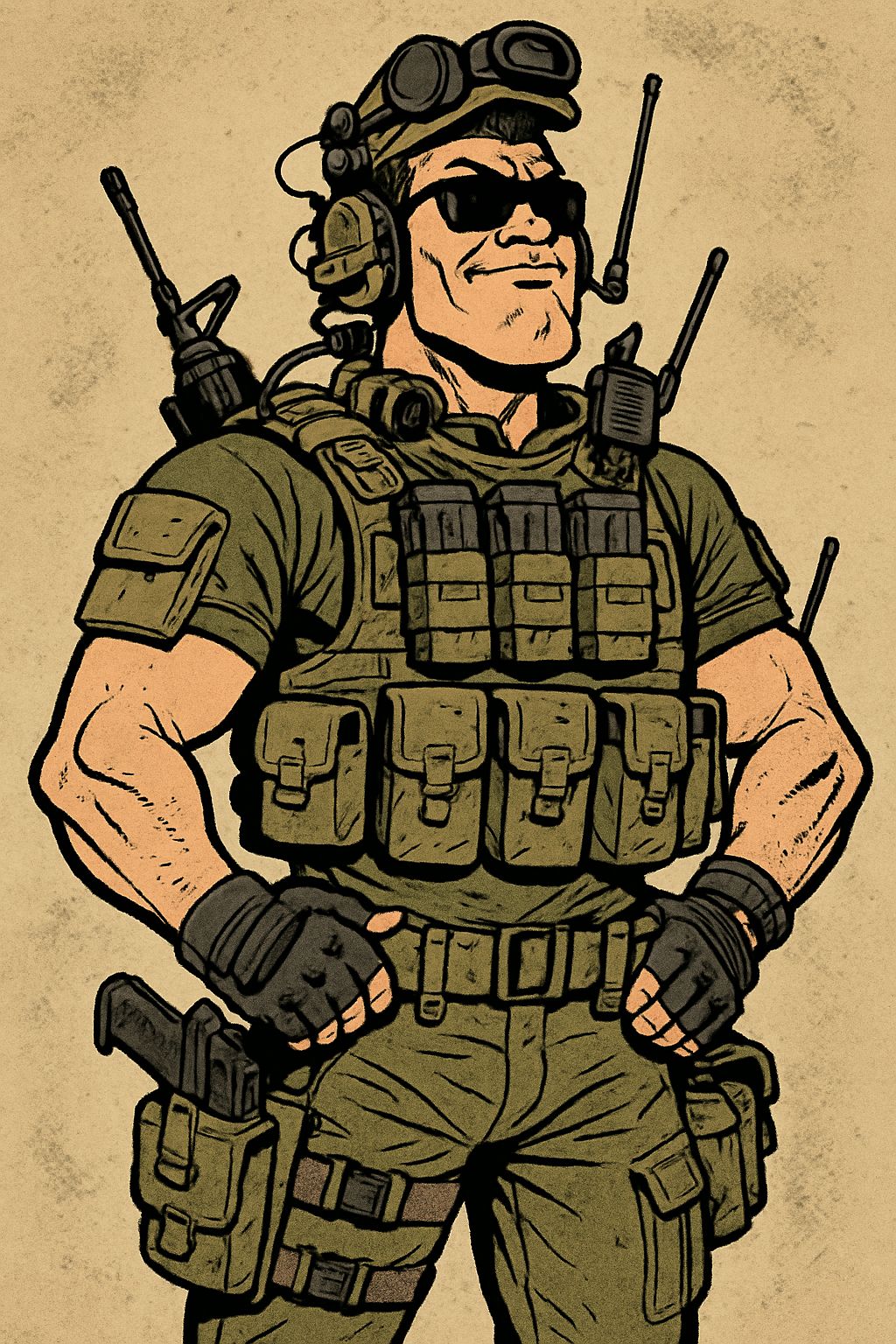
There’s a moment every outdoor shooter hits eventually: staring at a cart full of gear, wondering if that next accessory is really going to make a difference. The truth is a little uncomfortable, but freeing once you accept it. Gear doesn’t make the shooter. Skill does.
Think about the last time you watched someone outshoot a competitor using objectively “worse” gear. It happens constantly on ranges and in the backcountry alike. A hunter with a decade-old rifle and dialed-in fundamentals will outperform someone carrying the latest tactical setup every single time. That gap isn’t about equipment quality—it’s about preparation, repetition, and understanding your tool inside and out.
Why Skills Beat Gear Every Time
Here’s the blunt reality: you cannot buy the skill. No amount of money spent on optics, triggers, or custom builds will replace the hours needed to actually get good with a firearm. The biggest return on investment for improving your shooting performance comes from training, not from upgrading what’s already in your hands.
This isn’t about dismissing gear altogether—quality equipment has its place. But skill level determines how effectively you use whatever you’re carrying, whether that’s a budget pistol or a top-tier rifle. A shooter who’s put in the work can wring exceptional performance out of basic equipment, while someone who hasn’t trained will struggle even with the most expensive setup money can buy.
The Fundamentals You Can’t Skip
Before you even think about your next purchase, ask yourself honestly: have I mastered the basics? Grip, stance, sight alignment, and trigger control aren’t flashy topics, but they’re the foundation everything else builds on. Skip these, and no amount of gear will compensate.
These fundamentals feel almost too simple to matter, which is exactly why so many shooters overlook them in favor of the next shiny accessory. But simple doesn’t mean unimportant—it means essential. Every advanced skill you’ll ever develop traces back to how well you’ve internalized these basics.
Consider what separates a mediocre shooter from a genuinely skilled one: the emphasis on training over gear.
- Consistent grip pressure that doesn’t shift under recoil
- A stable, repeatable stance regardless of shooting position
- Proper sight alignment maintained through the entire trigger press
- Smooth trigger control that doesn’t disturb the sight picture
Master these, and you’ll notice something interesting: your “need” for upgraded gear often shrinks dramatically.
Proper Grip and Stance Basics
Your grip is the connection point between you and your firearm—get it wrong, and everything downstream suffers. A proper grip stays consistent shot after shot, absorbing recoil without letting the muzzle drift off target. Stance works the same way, giving you a stable platform that holds up whether you’re standing, kneeling, or moving.
These aren’t skills you learn once and forget. They require ongoing attention and refinement, especially as you encounter new shooting positions or environments in the field.
Sight Alignment and Trigger Control
Sight alignment and trigger control work together like a well-rehearsed duet. Get your sights lined up perfectly, then disturb that picture with a jerky trigger pull, and you’ve wasted the effort. The goal is a trigger press so smooth it surprises you when the shot breaks. For more insights on mental skills that matter, explore observation vs. assumption.
This skill alone takes most shooters months of dedicated practice to truly internalize. No optic upgrade shortcuts that process.
Why “You Cannot Buy the Skill”
It’s worth repeating because it’s the core truth underlying everything else: you cannot buy the skill. Rainier Arms puts it plainly in their own breakdown of this topic, and the analogy they use sticks with you—just because you have a fast car doesn’t mean you know how to drive it to its potential. The same logic applies directly to firearms and outdoor gear of every kind.
A novice with an expensive, feature-loaded setup will often underperform a trained shooter running something far more modest. That’s not a knock against good equipment—it’s a reminder that equipment is only as good as the hands using it.
How Muscle Memory Becomes Your Best Tool
Muscle memory doesn’t develop from reading gear reviews or watching unboxing videos. It develops from repetition—doing the same motion correctly, over and over, until your body performs it without conscious thought. This is the kind of skill that shows up exactly when you need it most.
Why Repetition Beats a Shopping Spree
A new accessory might feel exciting for the first few range sessions, but that novelty fades fast. Repetitive training, on the other hand, compounds over time. Each session builds on the last, turning vital skills into second nature rather than something you have to consciously think through under pressure.
This is why dedicated range time or a structured training class often delivers more lasting improvement than any single piece of gear ever could. The skills stick with you long after the latest equipment trend has faded.
Reacting Fast When It Counts
In high-pressure situations—whether that’s a hunting scenario that suddenly shifts or a defensive situation—the ability to react quickly and smoothly separates a good outcome from a bad one. That reaction speed isn’t something you can purchase off a shelf.
It comes from training your body to respond automatically, without the delay of conscious decision-making slowing you down. Every repetition in training builds that automatic response a little further.
Think about what happens when something goes wrong unexpectedly:
- Your training kicks in before conscious thought catches up
- Muscle memory guides your hands through the correct sequence
- You assess and adjust based on real-time feedback
- The situation resolves because your body already knew what to do
None of that sequence depends on what gear you’re carrying. It depends entirely on what you’ve practiced.
Reload and Shooting Sequences That Become Automatic
Watch an experienced shooter reload and you’ll notice something: they’re not thinking about it. The sequence happens smoothly, almost unconsciously, because they’ve practiced it hundreds or thousands of times. That same principle applies to malfunction clearing, transitions between targets, and countless other sequences that make up practical shooting skill.
This kind of fluency only comes from time on the range, not time spent browsing gear catalogs.
Where Your Money Actually Makes a Difference
If you’re going to spend money on your shooting journey, spend it where it actually moves the needle. That usually means ammunition, course fees, and dedicated practice time rather than another accessory sitting in a drawer six months from now.
What New Gear Really Does (and Doesn’t Do) for Your Skills
A new red dot sight or upgraded firearm can easily run you hundreds or even thousands of dollars, yet it won’t significantly improve your shooting ability on its own. Gear can make certain tasks more convenient or comfortable, but it can’t teach your hands what proper trigger control feels like.
This isn’t to say gear never matters—quality equipment that fits you well has real value. But it’s a multiplier, not a foundation. Multiply zero skill by expensive gear and you still get close to zero performance.
Why Training Classes Outperform Accessories
A single well-taught training class can reshape how you shoot more than an entire shopping spree’s worth of accessories. Professional instruction identifies the small errors you can’t see in yourself—a grip that shifts slightly, a stance that breaks down under movement, a trigger pull that’s just a touch too abrupt.
These corrections compound fast. Many shooters report more noticeable improvement after a single weekend course than after months of solo practice with new gear strapped on.
Smart Spending: Ammo, Courses, and Range Time
Rainier Arms has been vocal about this exact point: allocating funds toward ammunition, course fees, and focused practice sessions yields real, measurable gains in competence. Training investments simply pay greater dividends than trendy accessories. For those looking to maximize their resources, consider learning how to better use of your stuff before investing in new gear.
Before your next gear purchase, run the numbers. What would that same amount of money buy in ammunition for practice, or toward a structured training course? For most shooters, the answer reveals where the smarter investment actually lies.
Getting the Most From What You Already Own
Chances are, you’re already sitting on more capability than you’re currently using. Before adding anything new to your setup, it’s worth asking whether you’ve truly maximized what you already have.
The “Fast Car, Bad Driver” Problem
Just because you have a fast car doesn’t necessarily mean you know how to drive it to its potential—and the same goes for firearms and outdoor gear. A high-end rifle in untrained hands performs no better, and sometimes worse, than a modest setup in the hands of someone who’s put in the work.
This gap shows up constantly in the field. The hunter who knows their rifle’s exact ballistic drop at 300 yards will outperform someone with a more expensive optic who’s never bothered to verify their zero beyond 100 yards.
Ask yourself these questions honestly before considering an upgrade:
- Have I put in enough range time to know this firearm’s quirks?
- Do I understand its recoil pattern well enough to call my shots?
- Can I clear a malfunction on this exact setup without hesitation?
- Have I pushed this equipment to its actual limits, or just assumed it has some?
If you answered no to any of these, that’s your signal—more training, not more gear, is the next right move.
Learning Your Firearm’s Recoil and Handling
Every firearm has its own personality. Recoil behavior, how quickly the sights return to target, and the small mechanical quirks that come with any individual gun—these are things you only learn through repeated use. Training develops that intuitive understanding in a way that spec sheets and reviews never can.
Clearing Malfunctions Without Panic
Malfunctions happen to everyone eventually, regardless of how much they spent on their gear. What separates a prepared shooter from a panicked one is practice. Someone who’s drilled malfunction clearing dozens of times handles it calmly and quickly; someone who hasn’t fumbles through precious seconds trying to remember the steps.
That calm, practiced response isn’t something any accessory can provide—it’s purely a product of repetition.
Building Real Safety Habits
Safety in the outdoors and on the range comes from understanding, not equipment. No safety gadget replaces the discipline built through proper instruction and consistent practice.
Trigger Finger Discipline and Muzzle Awareness
Trigger finger discipline and muzzle awareness are reinforced through training, not purchased off a shelf. These habits need to become automatic, the kind of thing you do without thinking, every single time you handle a firearm.
This level of ingrained habit only comes from proper instruction paired with consistent, deliberate practice over time.
Why Gadgets Can’t Prevent Negligent Discharges
No safety device, however well-designed, replaces sound judgment and proper handling habits. Gadgets can add a layer of mechanical safety, but they can’t substitute for the mental discipline that comes from proper training.
Relying on equipment instead of habits creates a false sense of security—exactly the kind of gap that leads to preventable accidents.
Safety Is Earned, Not Purchased
Confidence rooted in genuine skill holds up far better than the fleeting sense of security an expensive piece of equipment might provide. Real safety is a habit you build, one range session at a time, not a feature you buy.
Staying Sharp When Things Go Sideways
The outdoors rarely goes exactly according to plan, and neither does any high-pressure shooting situation. What matters most in those moments is adaptability—and that’s a skill, not a product.
As one widely shared piece of wisdom puts it, “it takes experience to survive and win. Experience comes from good judgment. Good judgment comes from the learning process of bad judgment.” That process can’t be shortcut by any purchase, as true local knowledge is a survival skill.
Experience comes from good judgment. Good judgment comes from the learning process of bad judgment.
This idea underscores something important: setbacks and mistakes during training are part of how skill actually develops. Avoiding challenging scenarios because you’re worried about getting them wrong only slows your growth.
Your Training-First Game Plan
Before you open another gear catalog, take an honest inventory of your current skill level. Book a training course, log more range time, and spend your next ammunition budget on deliberate practice rather than another accessory. The gear will still be there once your fundamentals are solid—and at that point, you’ll actually know what upgrades are worth making. If you’re interested in honing your mental skills, consider exploring observation vs. assumption to enhance your training effectiveness.
Frequently Asked Questions
Should I buy new gear or take a training class first?
Take the training class first. Skill development offers a far greater return on investment than new equipment, and it ensures you’ll actually know what gear improvements are worth your money later.
How long does it take to build real muscle memory with a firearm?
It varies by individual and training frequency, but consistent, repeated practice over months typically produces the kind of automatic response that qualifies as true muscle memory.
Can expensive accessories make up for lack of practice?
No. Equipment can’t replace the fundamentals of grip, stance, sight alignment, and trigger control that only come from hands-on practice and instruction.
What’s the fastest way to improve my shooting fundamentals?
Enrolling in a professional training course paired with consistent range practice is the fastest, most reliable path to fundamental improvement.




Leave a Reply