
James Greene
-

Understanding the Basics of Multitools for Home Safety: Beginner’s Guide
A multitool is one of the most practical tools for home safety, combining multiple functions into one compact device. Whether it’s a loose screw or a stuck window latch during a storm, having the right multitool can be the difference between a quick fix and a growing hazard…
-

Lessons from Natural Disasters on Fitness Readiness and Preparedness
Natural disasters reveal the crucial link between physical fitness and survival. When floods or quakes strike, your body’s endurance and strength make a difference. Forget stockpiles; readiness begins with your fitness level, shaping how you respond to emergencies. Prepare your body, because when disaster hits, survival starts with you…
-

Solar Power Solutions: Ensuring Your Family is Prepared for Power Outages
Power outages are increasing, and solar power offers a reliable backup without the need for fuel or noise. Many families are turning to solar energy with battery storage to keep essential devices running. Discover how to create a family emergency plan centered on solar solutions…
-

Focused: Attention Management in a Distracted World
Your attention is your most valuable resource, not your calendar or to-do list. While professionals focus on time management, the real issue is scattered focus. Internal distractions like stress and boredom are just as harmful as phone notifications. Attention management, a learnable skill, can be improved with the right strategies…
-

Minimalism and Mental Clarity in Preparedness
A minimalist approach to emergency preparedness involves owning fewer, high-quality items and knowing their exact location, ensuring mental clarity in high-stress situations. Clutter competes for attention, potentially hindering decision-making. Discover how minimalism in preparedness contrasts with hoarding and the benefits it offers in emergencies…
-
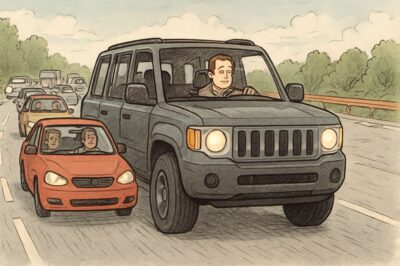
Busted: Top 5 Defensive Driving Myths Debunked
Most drivers believe they’re safer than they are, relying on myths about defensive driving. These misconceptions create a dangerous false sense of security. Knowing the real facts can keep you and others safe. Discover the top 5 defensive driving myths and see how they put lives at risk…
-
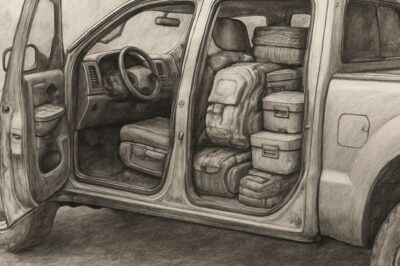
The Ultimate Vehicle Emergency Kit: Must Have Supplies for Every Driver
Roadside emergencies are more common than expected. A flat tire or dead battery can leave you stranded. Preparing an emergency kit tailored to your needs is crucial. Equip your car with essentials like a jump starter and first aid kit to ensure safety in unexpected situations…
-

They’re Here! AI Awareness for Everyday
AI isn’t coming – it’s here, seamlessly integrated into your daily life. From personalized recommendations to fraud detection, AI’s impact is enormous. Understanding AI is as essential as digital literacy, letting you harness its potential wisely. Discover how to make AI work for you, not against you…
-

Online Misinformation: Tips to Manage Fake News
Fake news spreads rapidly online, often engineered with emotional triggers and clickbait. Echo chambers and confirmation bias make discerning truth challenging. Equip yourself with fact-checking tools like PolitiFact and Snopes, but remember, media literacy is your strongest defense against misinformation. Discover actionable steps to combat fake news today…
-

4-Step Transition Plan for Shifting to a Barefoot Lifestyle
Transitioning to a barefoot lifestyle requires patience and a structured approach. Start with standing, followed by squatting, walking, and finally running. Strengthening foot muscles takes about six weeks. Avoid rushing to prevent injuries. Pain indicates a problem; discomfort is expected. Embrace the journey to reclaim natural foot movement…