
Article-At-A-Glance:
- You don’t need a yard, perfect soil, or a big budget to grow your own food — just the right containers and a sunny spot.
- Container size is the single most important factor most beginners get wrong, and it directly affects how well your plants produce.
- The type of potting mix you use matters more than almost anything else — garden soil will suffocate your plants’ roots in a container.
- Herbs, leafy greens, tomatoes, and peppers are among the easiest and most rewarding crops to start with in containers.
- There’s a smarter way to water container plants that prevents both overwatering and drought stress — and most beginners don’t know it.
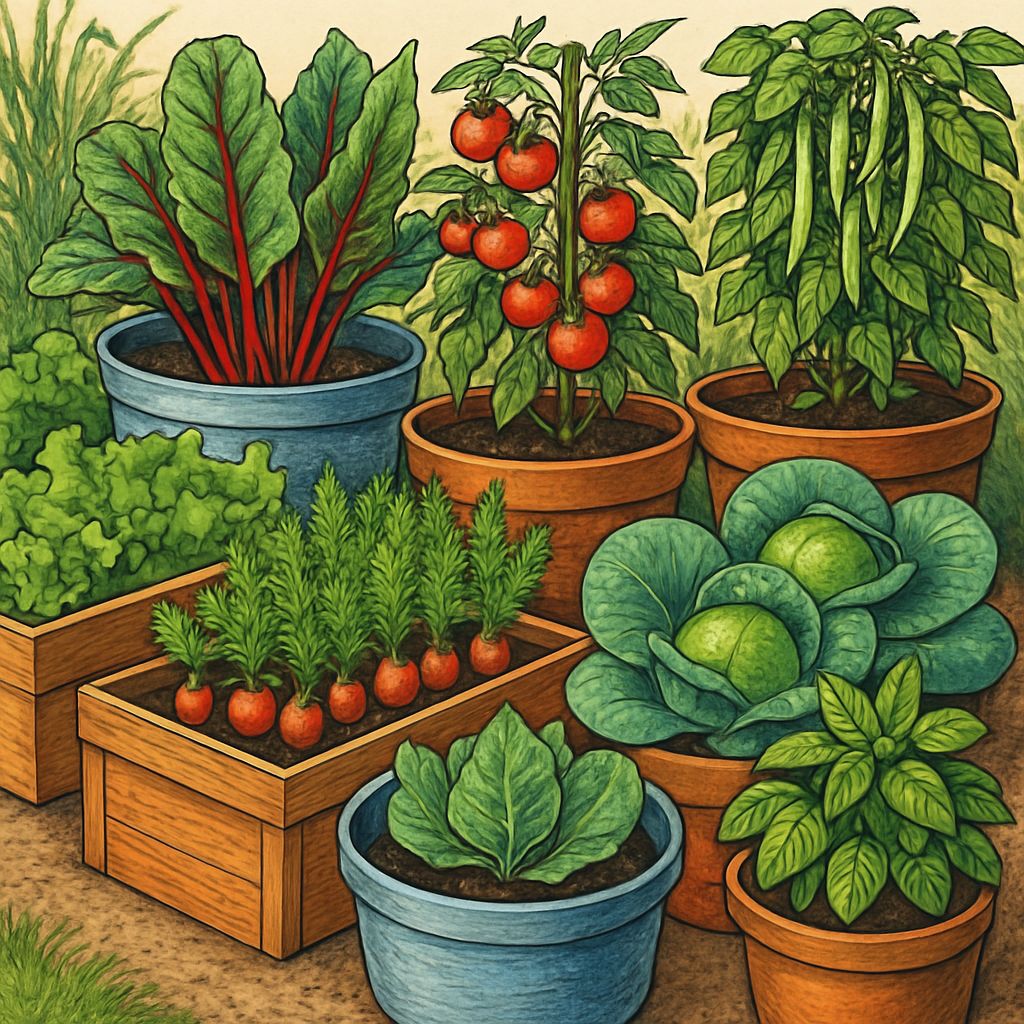
Container gardening is one of the fastest ways to go from zero to harvesting your own food, even if all you have is a balcony or a patio.
Whether you’re working around a small space, poor soil conditions, or just want fresh herbs within arm’s reach of your kitchen, growing in containers puts you in complete control. EarthBox has spent decades helping gardeners of all levels grow more food with less effort, and the fundamentals they champion — the right container, the right soil, the right plant — are exactly where every beginner should start.
You Can Grow Real Food Almost Anywhere With Containers
Container gardening means growing plants — vegetables, herbs, fruits, and flowers — in pots, boxes, or bags instead of directly in the ground. It’s not a compromise. Done right, it’s one of the most productive and satisfying ways to garden. A single 5-gallon container on a sunny balcony can produce pounds of tomatoes over a season. A window box of herbs saves you money every single week at the grocery store.
The advantages go beyond convenience. Containers give you precise control over soil quality, drainage, and positioning. You can move them to chase sunlight, bring them indoors before a frost, or rearrange your space entirely on a whim. For anyone dealing with poor native soil or limited outdoor space, that flexibility is a genuine game-changer.
How to Pick the Right Container Size
Container size is the most common mistake beginners make. Too small, and your plant’s roots get cramped, the soil dries out within hours, and yields drop dramatically. The container needs to be large enough to support a full root system and hold enough soil volume to stay consistently moist between waterings.
Think of it this way: the container is your plant’s entire world. There’s no deeper soil to reach into, no groundwater to tap. Everything your plant needs — water, nutrients, root space — lives inside that container. Getting the size right from the start makes every other part of container gardening easier.
Small Containers (Under 2 Gallons): Best for Herbs
Herbs are the perfect match for small containers. Basil, thyme, chives, oregano, and parsley all thrive in pots under 2 gallons. Their root systems are compact, their water needs are moderate, and they respond well to frequent harvesting. A 6-inch pot of basil on a sunny windowsill is genuinely one of the most productive small-space gardening setups you can create.
You can also mix several herbs into a single larger pot — rosemary, thyme, and oregano share similar sun and water needs and make great container companions. Just avoid pairing basil with woody Mediterranean herbs since basil prefers more water.
Medium Containers (2–3 Gallons): Best for Leafy Greens
Lettuce, spinach, arugula, and other leafy greens don’t need deep root space, but they do need enough soil volume to stay hydrated. A 2 to 3-gallon container hits the sweet spot — deep enough to keep moisture, wide enough to fit several plants together for a cut-and-come-again harvest setup.
- Lettuce — grows fast, tolerates partial shade, and can be harvested leaf by leaf
- Spinach — prefers cooler weather, great for spring and fall container growing
- Arugula — peppery and fast-growing, ready to harvest in as little as 4 weeks
- Swiss chard — colorful, productive, and tolerant of a wide range of temperatures
- Kale — cold-hardy and long-producing, an excellent choice for a 3-gallon container
Leafy greens also bolt (go to seed) quickly in heat, so positioning your containers where they get morning sun and afternoon shade extends your harvest window significantly during warmer months.
Large Containers (5+ Gallons): Best for Fruiting Vegetables
If you want to grow tomatoes, peppers, cucumbers, or squash, you need at least 5 gallons — and bigger is almost always better. Tomatoes, especially indeterminate varieties, can thrive in 10 to 15-gallon containers. The extra soil volume retains more water, holds more nutrients, and gives roots the space they need to anchor a full-sized plant. For more on plant care, check out this guide to medicinal plants and herbs.
The Best Container Materials for Growing Produce
The material your container is made from affects temperature, moisture retention, weight, and longevity. There’s no single best option — the right choice depends on your climate, your space, and how hands-on you want to be with watering.
Plastic Containers: Lightweight and Affordable
Plastic is the most practical choice for most beginners. It’s lightweight, retains moisture well, resists cracking, and comes in every size you could need. High-quality UV-resistant plastic containers can last for years outdoors. The EarthBox Original Growing System, for example, is a plastic sub-irrigated planter that’s been refined specifically for high-yield vegetable production — it takes the guesswork out of watering entirely.
Terracotta Containers: Classic but High-Maintenance
Terracotta pots are beautiful and breathable, which benefits plants prone to root rot. However, that same porosity means they dry out extremely fast — sometimes within a day in hot weather. In dry or high-heat climates, you may find yourself watering twice daily, which quickly becomes unsustainable.
They’re also heavy and fragile. A large terracotta pot filled with moist soil can be nearly impossible to move, and one hard frost can crack them through. They work best for drought-tolerant herbs like rosemary, thyme, and sage.
- Pros: Excellent airflow to roots, attractive appearance, widely available
- Cons: Dries out fast, heavy when filled, cracks in freezing temperatures
- Best for: Mediterranean herbs, succulents, and ornamental plants
If you love the look of terracotta but want better moisture retention, try a terracotta-style resin container — same aesthetic, far more practical performance.
Fabric Grow Bags: Great Drainage, Poor Water Retention
Fabric grow bags have become popular for good reason. They provide exceptional drainage and airflow, and they promote “air pruning” — when roots reach the edge of the bag, the air naturally stops their growth, encouraging the plant to develop a dense, healthy root network instead of becoming root-bound. They’re also foldable and easy to store off-season.
Wood Planter Boxes: Ideal for Multiple Plants
Wooden planter boxes are a great choice when you want to grow several plants together or create a more permanent garden feature on a deck or patio. They insulate roots well against temperature swings and can be built or bought in any size. Cedar and redwood are the best natural wood choices because they resist rot without chemical treatment. Line the interior with landscape fabric to extend the life of the wood and improve moisture management. For more insights on natural wood choices, explore medicinal plants and herbs that can complement your garden.
Drainage, Portability, and Other Practical Factors
Beyond size and material, two practical factors separate thriving container gardens from struggling ones: drainage and portability. These aren’t glamorous considerations, but getting them right from the start saves you from watching healthy plants slowly decline for reasons you can’t immediately identify.
A container that looks perfect on the outside can become a root-rot trap if it doesn’t drain properly. Likewise, a beautifully positioned planter becomes a problem the moment you realize it weighs 80 pounds and you need to move it before the first frost. For more insights on preparedness, check out lessons from natural disasters on fitness readiness and preparedness.
Why Drainage Holes Are Non-Negotiable
Every container you grow vegetables or herbs in must have drainage holes. Without them, water pools at the bottom of the soil, oxygen gets pushed out of the root zone, and roots begin to rot within days. This is one of the leading causes of plant death in container gardens — not underwatering, but the silent damage caused by standing water that has nowhere to go.
If you fall in love with a container that has no drainage holes, drill them yourself. For plastic and wood, a standard drill bit works fine. For ceramic or terracotta, use a masonry bit and go slowly to avoid cracking. Aim for at least one hole per every 4 inches of container base width — more is better. Skip the layer of gravel at the bottom that old gardening advice recommends; research has shown it actually raises the water table inside the container rather than improving drainage.
When Portability Actually Matters
If you’re gardening on a balcony, rooftop, or shared patio, the ability to move your containers isn’t just convenient — it’s sometimes essential. A frost warning, a change in your building’s rules, or simply chasing the best sun exposure across seasons all become much easier when your containers can travel with you. Invest in heavy-duty plant caddies with locking wheels for any container over 5 gallons. It’s a small cost that saves your back and protects your plants.
Never Use Garden Soil in a Container
This is one of the most important rules in container gardening, and it surprises a lot of beginners. Garden soil — even high-quality, beautifully amended in-ground soil — becomes dense and compacted when placed inside a container. It suffocates roots, blocks drainage, and creates an environment where very few vegetables can thrive long-term.
What you need instead is a high-quality potting mix specifically formulated for containers. These mixes are typically made from peat moss or coco coir, perlite or vermiculite, and sometimes bark — creating a lightweight, well-aerated structure that holds just enough moisture while still draining freely. Look for mixes that include slow-release fertilizer to give your plants an early nutritional head start.
- Peat-based potting mix — lightweight and moisture-retentive, widely available, slightly acidic (good for most vegetables)
- Coco coir-based mix — a sustainable alternative to peat, excellent drainage and aeration
- Perlite or vermiculite additive — mix in at roughly 20–30% by volume to dramatically improve drainage in any potting mix
- Self-watering system-specific mix — certain sub-irrigated containers like the EarthBox Original require a specific potting mix fill for the reservoir system to work correctly
Refresh your potting mix each growing season. By the end of a full season, the structure breaks down, nutrients are depleted, and pathogens may have built up. Starting fresh each year is the single easiest way to consistently improve your yields.
The Best Plants to Grow in Containers
The honest answer is that almost any vegetable, herb, or fruit can be grown in a container given the right conditions. But for beginners, the goal is momentum — choosing plants that reward your effort quickly, produce reliably, and don’t demand advanced skill to keep alive. Starting with the right crops builds confidence fast.
Match your plant choices to your actual conditions. If your balcony gets 8+ hours of direct sun, you’re in business for tomatoes and peppers. If you’re working with a shadier north-facing space, lean into leafy greens and herbs. Growing plants suited to your environment means less intervention, less frustration, and a lot more to harvest.
Fruiting Vegetables That Thrive in Containers
Tomatoes are the iconic container crop — and for good reason. Compact determinate varieties like Patio, Bush Early Girl, or Tumbling Tom were practically bred for container life. Peppers — both sweet and hot — are arguably even better suited to containers than tomatoes, since they have a naturally compact growth habit and respond extremely well to the warmth that dark-colored containers absorb from the sun. Cucumbers, bush beans, and dwarf squash varieties round out a productive fruiting container lineup.
Herbs and Leafy Greens for Smaller Spaces
Herbs deliver an incredible return on investment in containers. A single pot of basil, rosemary, or mint provides weeks of fresh harvests from a space no bigger than a dinner plate. Mint in particular should always be grown in its own container — it spreads aggressively and will crowd out anything sharing its space.
Leafy greens like lettuce, kale, spinach, and arugula are fast-growing and highly productive in medium containers. Succession planting — sowing a new small container of greens every two to three weeks — means you’re never without a fresh harvest. It’s one of the simplest and most satisfying rhythms in container gardening.
How Much Sun Your Container Garden Actually Needs
Sunlight is the engine of your container garden. Before you choose a single plant or buy a single pot, spend a day tracking how many hours of direct sun your intended growing space actually receives. What feels like a sunny balcony might only get four hours of true direct light — which is perfect for some crops and completely inadequate for others.
Fruiting Crops Need 8+ Hours of Direct Sun
Tomatoes, peppers, cucumbers, and squash are high-light, high-energy crops. They need a minimum of 6 hours of direct sun, but 8 or more is where they truly perform. Less than that and you’ll get lush green foliage but very little fruit — the plant simply doesn’t have the energy budget to both grow and produce simultaneously.
South-facing walls and rooftops are prime real estate for fruiting container crops. If your space gets full afternoon sun, take advantage of it. You can even use light-colored walls or reflective surfaces nearby to bounce additional light onto your containers and squeeze out a little extra productivity.
Leafy Greens Can Manage With 4–6 Hours
If your space is partially shaded, don’t give up — lean into it strategically. Lettuce, spinach, arugula, kale, and most herbs perform well with 4 to 6 hours of direct sun, and they actually benefit from afternoon shade during the hottest months, which slows the bolting process and keeps leaves tender and flavorful longer into the season.
Seeds vs. Seedlings: What Beginners Should Start With
For most beginners, starting with seedlings (also called transplants) from a local nursery is the smarter move. You skip the most technically demanding phase of plant development, reduce the time to harvest by weeks, and immediately see visible progress — which matters more than most gardening guides admit. Seeds are absolutely worth learning, but start with transplants for your first season and focus on learning how to grow, water, and feed your plants well. Herbs like basil and dill are the exception — they’re fast-growing and actually prefer being direct-sown into their final container rather than transplanted.
How to Water a Container Garden Without Killing Your Plants
Watering is where most container gardens succeed or fail, and the margin between too much and too little is narrower than most beginners expect.
The fundamental rule is simple: water deeply and consistently, but never let your containers sit in standing water. When you water, soak the soil thoroughly until water runs freely from the drainage holes. This ensures moisture reaches the entire root zone rather than just the top few inches. Then wait. Check the soil with your finger — when the top inch feels dry, it’s time to water again. That rhythm changes with the seasons, the weather, and how large your plants grow, but the finger-check never fails.Why Container Plants Dry Out Faster Than Ground Plants
In the ground, plant roots can chase moisture deep into the earth. In a container, there’s nowhere to go. The entire water supply is whatever you put in, and that supply depletes fast — especially in summer heat, wind, and direct sun. A 5-gallon container of tomatoes on a hot, breezy balcony may need watering every single day at peak season. This isn’t a flaw in your setup; it’s just the physics of container growing, and once you expect it, it stops being a surprise.
Dark-colored containers absorb more heat from the sun, which warms the soil and accelerates evaporation. If your containers are sitting on a hot concrete surface, that radiant heat adds even more drying pressure from below. Elevating containers slightly on caddies or wooden boards reduces heat absorption from the ground and can meaningfully extend the time between waterings.
Self-Watering Containers: Are They Worth It?
For most beginners, self-watering or sub-irrigated containers are genuinely worth the investment. These systems use a water reservoir built into the base of the container, which wicks moisture upward into the root zone as the plant needs it. Instead of guessing when to water from the top, you simply refill the reservoir every few days and let the plant regulate its own intake. To understand the importance of being prepared for unexpected situations, you might find insights from solar power solutions for power outages helpful.
Beyond convenience, consistent soil moisture has a direct impact on plant health and yield. Irregular watering — dry, then flooded, then dry again — stresses plants, contributes to issues like blossom end rot in tomatoes, and reduces overall productivity. A sub-irrigated system smooths out that variability automatically.
- Traditional containers — require daily monitoring in summer, full control over watering schedule, lower upfront cost
- Self-watering containers — reservoir reduces watering frequency, ideal for beginners and busy schedules, more consistent plant performance
- Drip irrigation systems — excellent for larger setups with multiple containers, requires initial setup investment but nearly eliminates daily watering tasks
- Moisture meter — a $10 to $15 tool that takes all the guesswork out of when to water, genuinely useful for beginners growing in any container type
Fertilizing Your Container Garden From Day One
Unlike in-ground gardens, container plants can’t access nutrients from surrounding soil. Every nutrient your plant uses comes from what’s in that container — and those nutrients get flushed out progressively every time you water. That’s why fertilizing isn’t optional in a container garden; it’s essential. Start with a quality potting mix that includes slow-release fertilizer to cover the first few weeks, then transition to regular liquid feeding once plants are actively growing. A balanced water-soluble fertilizer applied every one to two weeks during the growing season keeps nutrient levels consistently high and production consistently strong.
Start Small — Two or Three Containers Is All You Need
The most successful container gardeners start smaller than they think they should. Two or three well-chosen containers, planted with crops you actually want to eat, maintained consistently through one full season, will teach you more than a dozen containers managed poorly. Pick one fruiting crop, one herb, and one leafy green. Learn what each one needs. By the end of the season, you’ll have real experience, real harvests, and a clear picture of how you want to expand next year. Container gardening rewards patience and attention far more than scale.
Frequently Asked Questions
These are the questions new container gardeners ask most often — answered directly so you can move forward with confidence.
What is the minimum container size for growing tomatoes?
The minimum container size for growing tomatoes is 5 gallons, but that’s truly the floor — not the ideal. A 5-gallon container can support a compact determinate variety like Patio or Tumbling Tom, but larger indeterminate varieties need 10 to 15 gallons to reach their full potential. The more soil volume you provide, the more water and nutrients the container holds, and the more productive your plant will be over a full season.
If you’re only going to grow one tomato plant this season and you want the best possible results, invest in the biggest container your space allows. A 15-gallon container filled with high-quality potting mix and positioned in full sun will outperform three cramped 5-gallon pots every single time.
Can I use regular garden soil in a container garden?
No — regular garden soil should never be used in containers. When garden soil is placed in a pot and watered repeatedly, it compacts into a dense, airless mass that suffocates roots, blocks drainage, and creates conditions where most vegetables decline and eventually die. This happens even with soil that performs beautifully in a raised bed or in-ground garden.
Always use a potting mix specifically formulated for container use. These mixes are engineered to stay loose, drain freely, and maintain airspace around roots even after repeated watering. They’re lighter, better aerated, and far more forgiving than any native soil you could use instead.
Here’s a quick side-by-side comparison of the two options:
|
Soil Type |
Drainage |
Aeration |
Weight |
Best Use |
|---|---|---|---|---|
|
Garden Soil |
Poor in containers |
Compacts quickly |
Heavy |
In-ground beds only |
|
Potting Mix |
Excellent |
Stays loose and airy |
Lightweight |
All container types |
|
Potting Mix + Perlite |
Outstanding |
Maximum airflow to roots |
Very lightweight |
Containers in hot, wet climates |
If budget is a concern, a mid-range bagged potting mix from your local garden center with added perlite mixed in at about 20% by volume is one of the most cost-effective container growing setups you can put together.
How often should I water my container garden?
There’s no fixed schedule that works for every container garden — the honest answer is that it depends on your container size, plant type, weather conditions, and the time of year. During peak summer heat, large containers with fruiting crops may need water daily. Smaller herb pots in a sheltered spot might only need watering every two to three days.
The most reliable method is the finger test: push your finger about an inch into the soil. If it feels dry at that depth, water thoroughly. If it still feels moist, wait. Once you’ve gone through a few weeks of checking consistently, you’ll develop an intuitive feel for your specific setup that no schedule can replace.
What vegetables grow best in containers for beginners?
The best beginner vegetables for container gardens are tomatoes (compact determinate varieties), sweet peppers, lettuce, spinach, kale, bush beans, cucumbers (bush or patio varieties), radishes, and herbs like basil, parsley, and chives. These crops are productive, relatively forgiving, and well-documented in terms of their container requirements. Start with one or two that you genuinely enjoy eating — personal motivation is one of the most underrated factors in first-year gardening success.
Do container gardens work on balconies and patios?
Balconies and patios are among the best environments for container gardens, provided you have adequate sunlight. The hard surfaces, shelter from wind, and heat-retaining materials common on balconies and patios can actually create a warmer microclimate that benefits heat-loving crops like tomatoes and peppers.
The main considerations for balcony container gardening are weight and drainage. Always check your building’s weight limits before placing multiple large, soil-filled containers on a balcony — a 15-gallon pot filled with moist potting mix can weigh over 50 pounds. Use saucers under your containers to catch drainage water and protect the surface below, or choose self-watering containers with integrated reservoirs that contain runoff internally.
With the right setup, a single sunny balcony can produce a meaningful share of a household’s herbs and salad greens throughout the growing season. Start with what your space can realistically support, grow it well, and expand from there.




Leave a Reply