
Article-At-A-Glance:
- A multitool combines multiple functions into one compact device, making it one of the most practical home safety tools a beginner can own.
- The right multitool can help you handle emergencies, quick repairs, and hazard prevention before small problems become big ones.
- Not all multitools are built the same — tool quality matters far more than tool count when it comes to home safety use.
- Knowing where to store your multitool and how to handle it safely is just as important as choosing the right one.
- Keep reading to find out which specific tools on a multitool matter most for home safety situations — the answer might surprise you.
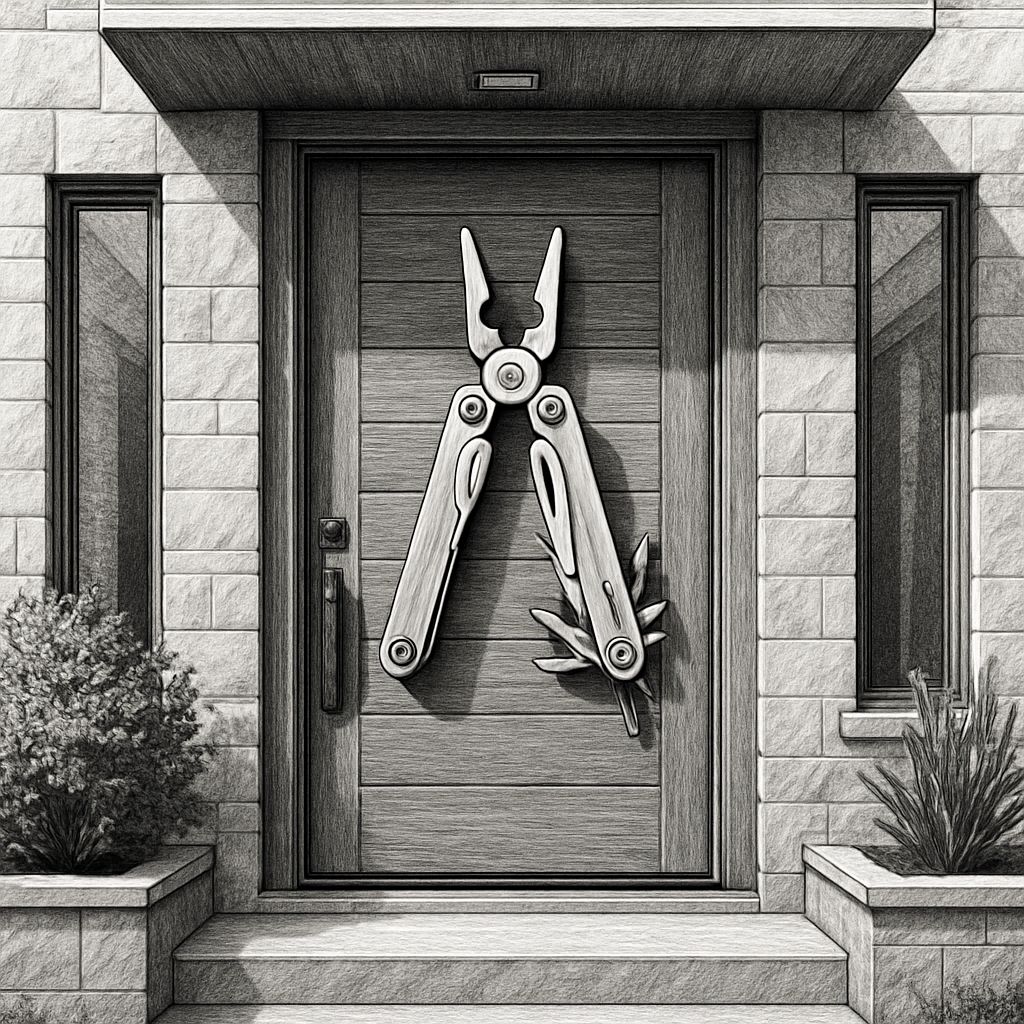
A Multitool Could Be the Most Useful Safety Item in Your Home
Most people think home safety means smoke detectors and first aid kits — but a multitool sitting in the right drawer could be the thing that actually saves the day.
Think about the last time something went wrong at home. A loose screw on a cabinet hinge. A fraying wire behind the TV. A stuck window latch during a storm. In each of those moments, the difference between a quick fix and a growing hazard came down to having the right tool within reach. A multitool puts several of those right tools in one place, ready to go in seconds. For anyone new to home safety, it’s one of the first things worth understanding — and owning.
Resources like Wirecutter’s expert multitool reviews highlight just how much value the right multitool adds to everyday preparedness. Whether you’re a new homeowner, a renter, or just someone building out their first safety toolkit, this guide walks you through everything you need to know to get started confidently.
What Exactly Is a Multitool?
A multitool is a single handheld device that folds or houses multiple individual tools — things like pliers, knife blades, screwdrivers, wire cutters, files, and scissors — all in one compact form. Instead of rummaging through a toolbox or running to the hardware store, you pull out one item and have immediate access to a range of functions. The design is built around convenience without sacrificing real utility.
Most multitools are built around a central pair of pliers, with the handles folding out to reveal additional tools stored inside. The overall size is typically small enough to fit in a pocket, a junk drawer, a glove compartment, or a bedside table — wherever you’re most likely to need it fast.
How a Multitool Differs From a Standard Toolbox
A toolbox gives you dedicated, full-sized tools optimized for specific jobs. A multitool gives you good-enough versions of many tools in a fraction of the space. For heavy-duty projects, a full toolbox wins every time. But for home safety situations — where speed, access, and portability matter — a multitool has the clear advantage. You’re not going to grab a toolbox from the garage when a wire starts sparking in the kitchen at 11 PM. To learn more about choosing the right multitool, check out this guide on how to choose a multitool.
The key distinction is response time. A multitool is meant to be where you are, not somewhere you have to go find it. That immediacy is exactly what makes it relevant to home safety in a way a standard toolbox simply isn’t.
The Most Common Tools Found on a Multitool
While every model varies, most quality multitools designed for home use will include a combination of the following:
- Needle-nose and regular pliers — usually the central component
- Wire cutters — built into the plier head on most models
- Knife blade — plain edge, serrated, or both
- Flathead and Phillips screwdrivers
- File and saw
- Scissors
- Bottle opener and can opener
- Ruler
- Awl or punch
Higher-end models like the Leatherman Wave+ or the Victorinox SwissTool Spirit X pack up to 29 functions into a single device. For home safety purposes, you rarely need all of them — but having the core tools available without thinking about it is the point.
Why Multitools Matter for Home Safety
Home safety isn’t just about preventing accidents — it’s about being able to respond quickly when something goes wrong. A loose railing, a jammed window, a fraying appliance cord — these are the kinds of issues that seem minor right up until they aren’t. The window where you can fix something cheaply and easily closes fast, and a multitool is what keeps that window open.
The other factor is that most home hazards don’t wait for a convenient time. They happen at night, on weekends, when stores are closed, and when you don’t have a professional on speed dial. Having a reliable multitool accessible means you’re never completely without options, regardless of timing or circumstance.
For beginners especially, the psychological benefit is real too. Knowing you have a tool that can handle a range of situations reduces the kind of hesitation that lets small problems grow. Confidence and preparedness go hand in hand.
Emergency Situations Where a Multitool Is Essential
Emergencies at home rarely look like what you see in the movies. More often, they’re a gas line fitting that needs immediate tightening, a car window that won’t open after an accident, a seatbelt that needs cutting, or a stuck door hinge preventing evacuation. In each of those moments, a multitool with the right components — pliers, a blade, wire cutters — becomes genuinely critical. It bridges the gap between the emergency and the solution when there’s no time to find anything else.
How a Multitool Supports Quick Fixes Before Hazards Escalate
Most home safety incidents start as small maintenance issues. A screw works its way loose from a stair rail. A cabinet door hinge starts to pull from the wall. An electrical panel cover develops a gap. Left alone, each of these becomes a hazard. Addressed immediately with the right tool, each takes under two minutes to fix. A multitool makes that immediate response possible without needing to plan, prepare, or wait.
Why Every Room in Your Home Benefits From One Nearby
The practical reality is that home issues don’t confine themselves to one location. A kitchen appliance wire frays. A bathroom towel rail loosens from the wall. A bedroom window lock stops engaging properly. Keeping a multitool accessible — whether that’s one in the kitchen drawer and one on the nightstand, or a single one carried on your person — means you’re covered wherever the issue arises. Some homeowners keep two: one full-sized model for general use, and one compact keychain version for fast, light-duty access. For more ways to stay prepared, consider learning lessons from natural disasters on fitness readiness and preparedness.
The Main Types of Multitools for Home Use
Multitools aren’t one-size-fits-all. The right type for your home depends on what you’re most likely to use it for, how much you want to carry, and what level of tool functionality you need. Understanding the four main categories makes choosing far less overwhelming.
Each type has a clear strength. None of them is universally better than the others — the best one is the one that matches how you actually live and what you’re most likely to need at home. For instance, understanding minimalism and mental clarity in preparedness can help you decide which tools are essential for your lifestyle.
Plier-Based Multitools
This is the most common and most capable type for home safety use. Built around a full-sized set of pliers at the center, these models fold out to reveal knives, screwdrivers, wire cutters, files, and more stored in the handles. The Leatherman Wave+ and the Gerber Center-Drive Plus are two of the most recognized names in this category. They’re bulkier than other types but offer the most complete functionality, making them the top recommendation for beginner homeowners building out their safety kit.
Folding Knife Multitools
These lead with a knife blade as the primary tool and include secondary tools like screwdrivers, a file, and scissors tucked into the handle. The Victorinox Swiss Army Climber is the most recognized example in this category — lightweight, durable, and genuinely useful for light home tasks. They’re less heavy-duty than plier-based models but are easier to carry daily and work well for cutting tasks, tightening small screws, and general quick-fix situations around the home.
For a beginner who wants something low-profile that they’ll actually have on them when something goes wrong, a quality folding knife multitool is often the most practical starting point. The tools are smaller on average, so they’re better suited to lighter tasks — but for most day-to-day home safety needs, they get the job done reliably.
Keychain Multitools
Keychain multitools are the smallest category available, designed to attach directly to your keys and go everywhere you go. Models like the Leatherman Squirt PS4 and the Gerber Dime pack surprisingly useful tools — including pliers, a small blade, a file, and a flathead screwdriver — into a package that weighs almost nothing. They won’t handle heavy-duty tasks, but for tightening a loose screw, opening a package, or cutting a zip tie, they’re perfect. For more on essential gear, check out this guide on vehicle emergency kits.
For home safety purposes, a keychain multitool works best as a backup rather than a primary tool. Keep a full-sized plier-based model in the kitchen or utility drawer, and treat the keychain version as your always-available first line of response. That combination covers you in virtually any situation, whether you’re at home or away from it.
Credit Card Multitools
Credit card multitools are flat, wallet-sized devices that fit into a card slot and typically include basic tools like a ruler, screwdriver tips, a bottle opener, and sometimes a small blade. The Victorinox SwissCard Nano is one of the better-known examples. For home safety, these are the most limited option — they’re better suited to travel emergencies than genuine household hazard response. That said, if you’re looking for the absolute minimum to add to a wallet-based emergency kit, a credit card multitool is better than nothing and costs very little to include.
What to Look for When Choosing a Home Safety Multitool
Choosing a multitool for home safety is less about finding the one with the most tools and more about finding one that’s reliable, accessible, and built to last. The wrong choice means a tool you never reach for — which defeats the purpose entirely. Focus on four core factors: tool count versus quality, size and storage, build materials, and locking mechanisms.
Tool Count vs. Tool Quality
More tools doesn’t mean better tools. A multitool advertising 27 functions at a low price point is almost always making a tradeoff — thinner steel, weaker joints, tools that bend or dull after minimal use. For home safety, you need tools that hold up under pressure, especially in actual emergency conditions. A well-built 12-function model from Leatherman or Gerber will outperform a 27-function budget model every single time. Prioritize the quality of the tools you’ll actually use — pliers, blade, screwdrivers, wire cutters — over a long list of functions you’ll rarely touch.
Size and Portability for Home Storage
The best multitool is the one you can actually find and grab in under 10 seconds. Size plays a major role in that. Full-sized models like the Leatherman Wave+ measure around 4 inches when closed and weigh roughly 8.5 ounces — comfortable for a kitchen drawer or tool bag, but too bulky for most pockets. Mid-sized models like the Leatherman Skeletool split the difference at 4 inches and just 5 ounces. Think about where you’ll store it, how quickly you’ll need it, and whether portability matters for your specific home setup before committing to a size. For more on preparedness, consider these lessons from natural disasters.
Build Material and Durability
The overwhelming majority of quality multitools are built from 420HC stainless steel or 154CM steel for blades, and stainless steel or aluminum for the body and handles. Stainless steel resists corrosion, holds an edge reasonably well, and handles repeated use without degrading. Avoid multitools with plastic components in structural areas — hinges, plier heads, or locking mechanisms made from plastic are a reliability risk. For home safety, durability isn’t optional. You need to know that when you reach for it under stress, it will work exactly as expected.
Safety Lock Mechanisms
A locking mechanism keeps individual tools fixed in the open position while in use, preventing the blade or tool from folding back onto your fingers unexpectedly. This is non-negotiable for safe home use. Look for models with a solid liner lock, frame lock, or the Leatherman-specific locking liner system. The Leatherman Wave+ features outside-accessible locking blades, meaning you can deploy and lock the knife without opening the handles at all — a significant safety advantage for beginners. Always confirm a multitool has a reliable locking system before purchasing, especially if children are present in the home.
The Most Important Tools on a Home Safety Multitool
Not every tool on a multitool earns its place when it comes to home safety specifically. A bottle opener is convenient. A ruler is occasionally useful. But four tools stand out as genuinely critical for home safety situations: the knife blade, pliers, screwdrivers, and wire cutters. These four cover the vast majority of emergency and preventive scenarios you’re likely to encounter at home.
When evaluating any multitool for home safety use, run through these four tools first. Check their quality, their accessibility on the device, and whether they lock securely in place. If those four pass, the rest of the tool list is a bonus.
Knife Blade for Cutting Ropes, Zip Ties, and Packaging
A knife blade on a multitool handles more home safety tasks than most people expect. Cutting through rope or cord tangled around something, slicing through packaging to access emergency supplies, freeing a person from a tangled seatbelt or caught clothing — all of these situations benefit immediately from a sharp, accessible blade. On most quality multitools, you’ll find either a plain edge blade, a serrated blade, or a combination of both. For home safety, a plain edge blade is easier to control and resharpen, while a serrated edge handles rope and fibrous materials more effectively.
The blade length on most full-sized multitools ranges from 2.6 to 3.1 inches — more than enough for home safety tasks. The Leatherman Wave+ includes both a 2.9-inch plain edge blade and a 2.9-inch serrated blade, both accessible from the outside of the closed tool. That outside accessibility matters enormously in an urgent situation where you can’t afford to fumble with unfolding handles under pressure.
Pliers for Gripping and Tightening
Pliers are the backbone of most multitools and are arguably the most useful component for home safety. Tightening a loose gas fitting, pulling a nail from a wall before it becomes a puncture hazard, gripping a stripped screw head, or bending back a sharp edge of metal on a damaged appliance — pliers handle all of it. Most quality multitools include a combination of needle-nose and regular plier heads, which together cover the full range of gripping tasks you’re likely to encounter at home.
Screwdrivers for Loose Fittings and Quick Repairs
Loose screws are one of the most common and most underestimated home safety hazards. A screw working free from a stair railing, a cabinet hinge, an electrical panel cover, or a door lock mechanism can go from minor inconvenience to real danger surprisingly fast. Most multitools include at least a flathead and a Phillips screwdriver — some, like the Gerber Center-Drive Plus, include a center-axis driver design that delivers significantly more torque than standard multitool screwdrivers. For regular home safety maintenance, a reliable screwdriver on your multitool is one of the most-used tools you’ll have. To ensure you’re prepared for any situation, consider assembling the ultimate vehicle emergency kit with must-have supplies for every driver.
Wire Cutters for Electrical Safety Situations
Wire cutters are built into the plier head on most quality multitools and are critical for any situation involving damaged or exposed wiring. A fraying appliance cord, an exposed wire behind an outlet, or a tangled cable creating a trip hazard — wire cutters let you address the immediate risk cleanly and quickly. Always ensure the power source is disconnected before using wire cutters on any electrical component. On the Leatherman Wave+, the wire cutters are replaceable — a practical detail that extends the life of the tool significantly, since cutters are the component most likely to dull with repeated use.
How to Store and Maintain Your Multitool at Home
A multitool you can’t find in under 10 seconds isn’t doing its job. Storage and maintenance are two things beginners consistently overlook, and both directly affect whether your multitool is actually useful when something goes wrong at home.
The Best Places to Keep a Multitool for Fast Access
The kitchen utility drawer is the single most practical storage location for most households. It’s the room where most quick fixes happen, it’s centrally located in most home layouts, and it’s where people naturally reach when something needs immediate attention. Keep your primary full-sized multitool here, ideally in a small pouch or sheath to protect the blades and keep it from rattling around among other items. For more tips on preparedness, check out minimalism and mental clarity in preparedness.
Beyond the kitchen, consider a second storage point based on your home layout. A bedside table drawer makes sense if your bedroom is far from the kitchen. A garage shelf works well if you do regular maintenance there. For multi-story homes, one multitool per floor isn’t overkill — it’s practical. The goal is zero hunting time when you need it fast.
Basic Cleaning and Blade Care
Multitools get dirty with regular use — oil, debris, and moisture work their way into the hinges and tool joints over time. A dirty multitool opens stiffly, locks unreliably, and rusts faster. Basic maintenance takes under five minutes and extends the life of the tool significantly.
After any heavy use, wipe down the exterior with a dry cloth and use a toothpick or compressed air to clear debris from the tool joints. Apply a small drop of light machine oil — such as 3-IN-ONE Multi-Purpose Oil — to each pivot point every few months to keep the tools opening and closing smoothly. For the blade specifically, a simple pocket sharpener like the Lansky Blademedic keeps the edge functional without requiring any sharpening experience.
- Wipe down after use — remove dirt, moisture, and residue with a dry cloth
- Clear debris from joints — use a toothpick, cotton swab, or compressed air
- Oil pivot points every 3 months — a single drop of light machine oil per joint is enough
- Sharpen the blade regularly — a dull blade requires more force and is more dangerous to use
- Check locking mechanisms — test each tool’s lock before and after cleaning to confirm it engages fully
- Inspect for rust spots — treat early-stage rust with a small amount of oil and a soft cloth before it spreads to the blade or joints
Store your multitool dry. Moisture is the primary cause of rust on steel components, and even stainless steel will corrode over time if stored in a damp environment like under a sink or in an outdoor shed without protection. A dry drawer or a fabric sheath handles this easily.
Safe Handling Rules Every Beginner Must Follow
A multitool is a genuinely useful safety device, but it contains sharp blades and cutting edges that require respect. Beginners who haven’t used multitools before sometimes underestimate this — the compact size makes them feel less serious than a standalone knife or set of pliers, but the risks are identical. Before using any multitool for the first time, take five minutes to open and close every tool, confirm each locking mechanism engages, and get comfortable with the feel of the device in your hand.
Follow these rules every single time, without exception:
- Always cut away from your body — direct the blade away from yourself and others at all times
- Confirm the lock is engaged before applying pressure — never use a tool that isn’t fully locked open; a blade that folds unexpectedly causes serious injury
- Close all unused tools before working — exposed blades and tools while using a different function are a hand injury waiting to happen
- Use the right tool for the task — forcing the wrong tool creates unpredictable results and damages both the tool and the workpiece
- Keep fingers clear of the blade path — especially when opening tools one-handed or under pressure
- Store with all tools closed — a multitool should never be put away with any component unfolded
- Keep out of reach of children — store in a location that requires deliberate adult access, particularly if the household includes young children
A Multitool Is One of the Smartest Home Safety Investments You Can Make
For less than the cost of a single service call, a quality multitool from Leatherman or Gerber gives you immediate access to the tools most likely to prevent a small home hazard from becoming a serious one — and it fits in a drawer, a pocket, or on your keychain. It’s the closest thing to a portable safety net that exists for everyday home situations, and for any beginner building out their home safety approach, it belongs at the top of the list. Learn more about the best multitools available today.
Frequently Asked Questions
These are the questions beginners ask most often when getting started with multitools for home safety.
Can a multitool replace a standard home toolbox?
No — and it isn’t designed to. A standard toolbox contains full-sized, purpose-built tools optimized for specific tasks: a hammer with proper weight distribution, a full-length screwdriver with real torque, a dedicated pipe wrench. These tools outperform their multitool equivalents for heavy-duty work every time, and no multitool is a genuine substitute for them on larger home projects.
What a multitool does replace is the need to find a dedicated tool for small, urgent tasks. It fills the gap between having nothing and having everything — and in home safety terms, that gap is exactly where most situations occur. Think of a multitool as your first line of response, and a toolbox as your follow-up resource for more involved repairs.
What is the best multitool for a beginner homeowner?
For most beginner homeowners, the Leatherman Wave+ is the strongest starting recommendation. It balances tool count, build quality, outside-accessible blades, and replaceable wire cutters in a package that’s been refined over decades. The Gerber Center-Drive Plus is a strong alternative if screwdriver performance is a priority. For those wanting something lighter and more portable, the Leatherman Skeletool is a streamlined option that covers the core tools without the bulk.
Model
Tools
Weight
Best For
Leatherman Wave+
18
8.5 oz
Best overall for home safety
Gerber Center-Drive Plus
16
10.5 oz
Screwdriver-heavy tasks
Leatherman Skeletool
7
5 oz
Lightweight everyday carry
Victorinox Swiss Army Climber
14
2.7 oz
Light home tasks, portability
Leatherman Squirt PS4
9
2 oz
Keychain backup tool
Each of these models is made by established manufacturers with long track records for build quality and warranty support. Leatherman offers a 25-year warranty on most of its tools — a meaningful commitment that matters when you’re relying on a device for home safety purposes.
Whichever model you choose, buy from a verified retailer or directly from the manufacturer’s website. Counterfeit multitools are a known issue in the market, and a fake Leatherman or Gerber will fail you exactly when you need it most. Authentic tools from legitimate sources are the only ones worth trusting for safety applications.
Are multitools safe to keep around children?
Multitools contain sharp blades and should always be stored out of reach of young children, regardless of whether the tools are folded closed. For households with children, a locked drawer or an elevated shelf location is the appropriate storage choice. Older children — typically 12 and above — can be introduced to basic multitool use under direct adult supervision, starting with non-blade tools like screwdrivers and pliers. Treat a multitool with the same storage seriousness you’d apply to medications or cleaning products: accessible to adults instantly, inaccessible to children completely.
How many tools should a home safety multitool have?
For home safety specifically, quality matters far more than quantity. A multitool with 8 to 14 high-quality tools from a reputable manufacturer will serve you better than a 27-function budget model every time. The core four — knife blade, pliers, screwdrivers, and wire cutters — cover the vast majority of home safety scenarios. Everything else is supplementary. Don’t choose a multitool based on the number on the packaging; choose it based on the quality of the tools you’ll actually use and the reputation of the brand behind them.
Can I carry a multitool in my car for emergencies?
Absolutely — keeping a multitool in your vehicle is one of the most practical extensions of home safety preparedness. A car emergency kit built around a quality multitool gives you immediate access to tools for situations ranging from a minor roadside repair to a genuine vehicle emergency requiring a seatbelt to be cut or a window to be broken.
The best placement for a car multitool is the glove compartment or a dedicated pocket in the driver’s door — somewhere you can reach without leaving your seat. Pair it with the following for a complete vehicle emergency kit:
- Window breaker and seatbelt cutter — some multitools include these; if yours doesn’t, add a dedicated tool like the ResQMe Keychain Rescue Tool
- Small flashlight — for nighttime roadside situations
- Basic first aid kit
- Jumper cables or a portable jump starter
- Emergency reflective triangles or flares
Be aware that multitool blade laws vary by state and country. In most U.S. states, a folding blade under 3 inches stored in a vehicle is completely legal, but it’s worth checking local regulations for your specific location — especially if you travel across state lines regularly.
For vehicle-specific use, a slightly more compact model like the Leatherman Skeletool or the Gerber Suspension-NXT works well in a glove compartment without taking up significant space. The priority is having something reliable and accessible, not the most fully featured tool you own.
When it comes to ensuring your home is safe and prepared for any situation, having the right tools at your disposal is crucial. One essential tool that every homeowner should consider is a multitool. Multitools are versatile devices that combine several functions into one compact design, making them perfect for quick fixes and emergency situations. In addition to traditional tools like hammers and screwdrivers, multitools often include features like pliers, wire cutters, and even small saws. These tools are especially useful during unexpected events, such as power outages or natural disasters. For more tips on how to be prepared for emergencies, check out our article on solar power solutions to ensure your family is ready for power outages.




Leave a Reply