
- A well-stocked vehicle emergency kit can be the difference between a minor inconvenience and a life-threatening situation on the road.
- The most critical supplies include a jump starter, first aid kit, tire repair tools, roadside warning devices, and a portable phone charger.
- Your kit should be tailored to your vehicle type, climate, and driving habits — a one-size-fits-all approach leaves dangerous gaps.
- Pre-made kits are convenient, but building your own ensures every item actually matches your needs.
- Keep reading to find out which overlooked item most drivers forget — and why it could be the most important thing in your kit.
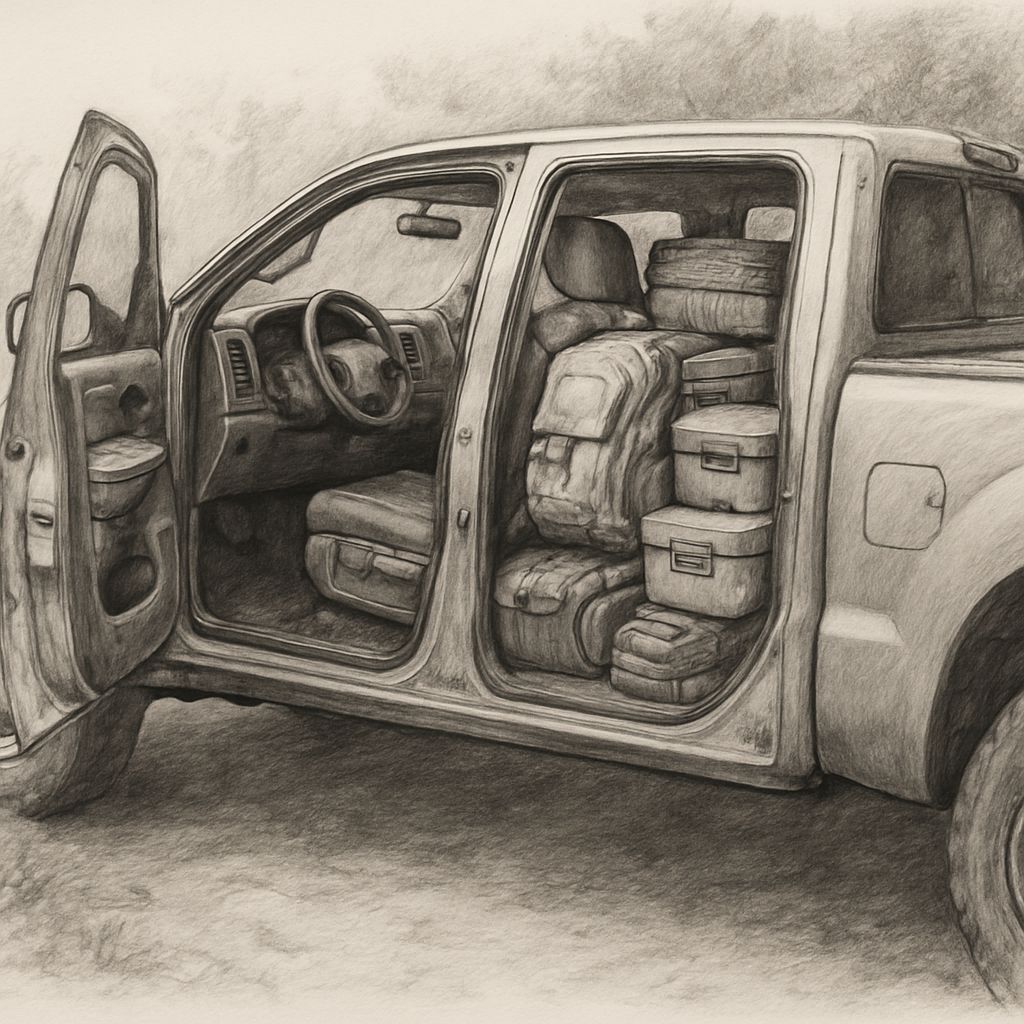
Every Driver Needs This in Their Car
Most drivers assume a breakdown won’t happen to them — until they’re stranded on a dark highway shoulder at 11pm with a dead battery and no plan.
Roadside emergencies are far more common than people expect. Whether it’s a flat tire, a dead battery, severe weather, or a minor accident, the question isn’t if something will go wrong — it’s when. Having the right vehicle emergency kit supplies ready before that moment is one of the simplest, most practical things any driver can do. For comprehensive guidance on road safety and preparedness, resources from automotive safety experts can help you build a smarter, more complete kit for your specific situation.
Why Roadside Emergencies Happen More Than You Think
The average driver will experience a roadside emergency multiple times throughout their driving life. Dead batteries, flat tires, and overheating are consistently among the top reasons drivers end up stranded. What makes these situations dangerous isn’t just the mechanical failure itself — it’s being unprepared for the wait, the weather, or the traffic around you.
Remote roads, bad weather, and low cell service can turn a 20-minute delay into a multi-hour ordeal. Even in urban areas, help can take longer than expected to arrive. That window of time — between when something goes wrong and when help shows up — is exactly what a vehicle emergency kit is designed to cover.
What a Complete Vehicle Emergency Kit Actually Looks Like
A complete kit isn’t just a bag of random tools. It covers four core categories: mechanical (jump starter, tire tools, basic hand tools), safety (warning devices, fire extinguisher, flashlight), medical (first aid kit, personal medications), and survival (water, food, weather gear, phone charger). Each category addresses a different type of emergency, and gaps in any one area can leave you vulnerable.
The right kit also reflects your personal situation. Someone commuting daily in Phoenix has different needs than someone doing long rural drives in Montana in January. Tailoring your supplies to your environment, vehicle, and health needs is what separates a truly useful kit from a box of items that won’t help when it counts.
1. Jump Starter or Jumper Cables
A dead battery is one of the most common reasons drivers get stranded, and it’s also one of the easiest problems to solve — if you have the right equipment. The choice comes down to two options: traditional jumper cables or a modern portable jump starter.
Portable Jump Starters vs. Jumper Cables: Which Is Better
Jumper cables require a second vehicle with a working battery to be useful. That means you’re dependent on another driver stopping to help — which isn’t guaranteed, especially late at night or on a quiet road. A portable jump starter, on the other hand, gives you complete independence. You connect it directly to your dead battery and start your vehicle without needing anyone else.
Modern lithium-ion jump starters are compact enough to fit in a glove box and powerful enough to start most passenger vehicles, trucks, and SUVs multiple times on a single charge. For most drivers, a portable jump starter is the smarter, more practical choice. That said, jumper cables still make sense as a lightweight backup — especially for drivers who frequently travel with others.
The Noco Boost Plus GB40: A Reliable Option
The Noco Boost Plus GB40 is one of the most well-regarded portable jump starters available. It delivers 1,000 amps of peak current and can start gas engines up to 6 liters and diesel engines up to 3 liters. It also includes a built-in 100-lumen LED flashlight and a USB port for charging devices — making it useful beyond just jump-starting. It’s spark-proof, reverse polarity protected, and compact enough to store under a seat or in a center console.
2. First Aid Kit
Accidents and injuries don’t wait for an ambulance. A quality first aid kit lets you treat minor injuries on the spot and stabilize more serious ones until emergency services arrive.
What to Look for in a Car First Aid Kit
Not all first aid kits are equal. A basic kit should include adhesive bandages in multiple sizes, sterile gauze pads, medical tape, antiseptic wipes, tweezers, scissors, disposable gloves, a CPR face shield, and a first aid instruction guide. The Red Cross recommends vehicle-specific first aid kits that account for the types of injuries most likely to occur in roadside situations, including cuts, burns, and blunt trauma.
Look for a kit in a durable, waterproof case that won’t degrade sitting in a hot trunk through multiple seasons. Kits rated for 100+ pieces give you enough supplies to handle multiple injuries without running short.
Personal Medications and Emergency Items to Add
Beyond the standard kit contents, add a small supply of any prescription medications you take regularly — enough for at least 48 hours. Over-the-counter additions like ibuprofen, antihistamines, and antacids round out the kit for non-emergency discomfort situations that can still derail a trip. If anyone in your household has a severe allergy, an epinephrine auto-injector (EpiPen) should always be in the vehicle.
3. Roadside Warning Devices
Device Type
Visibility Range
Reusable
Best Use Case
Reflective Triangles
Up to 500 feet
Yes
Daytime & well-lit roads
Road Flares (traditional)
Up to 1 mile
No
Nighttime & low visibility
LED Emergency Flares
Up to 1 mile
Yes
All conditions, safest option
When your vehicle is stopped on or near a road, making yourself visible to other drivers is your first priority. Roadside warning devices give approaching traffic enough time to slow down and move over — which can prevent a bad situation from becoming a fatal one.
The general rule is to place warning devices at three points: directly behind your vehicle, about 50 feet back, and about 150 to 300 feet back depending on road speed. This gives drivers at highway speeds enough reaction time to change lanes safely.
LED emergency flares have become the preferred choice for most drivers because they’re reusable, don’t create fire risks, and work in rain or wind. Products like the Orion Safety 3-Piece LED Road Flare Kit offer magnetic bases that attach to your vehicle and multiple flash modes for varying visibility conditions.
Reflective Triangles vs. Road Flares
Reflective triangles are lightweight, fold flat, and never expire — making them an easy permanent addition to any kit. Traditional road flares burn brighter and are visible from a greater distance, but they’re single-use, can be a fire hazard, and require careful handling. For most drivers, a set of LED flares combined with at least one reflective triangle covers all situations without the drawbacks of chemical flares.
4. Tire Repair Tools
Flat tires are one of the top causes of roadside breakdowns, and being equipped to handle one yourself can save hours of waiting for a tow truck. The tools you need depend on whether you’re changing to a spare or doing a field repair. For those who want to be prepared for any situation, mastering basic navigation skills can also be a valuable asset.
At minimum, every vehicle should carry a properly inflated spare tire, a scissor or hydraulic floor jack rated for your vehicle’s weight, and a lug wrench that fits your specific lug nuts. It’s also worth keeping a breaker bar in the kit — factory lug nuts are often torqued so tightly that a standard wrench won’t budge them without extra leverage. Additionally, learning basic navigation skills can be an invaluable asset when driving in unfamiliar areas.
If your vehicle uses run-flat tires or only comes with a space-saver spare (the narrow “donut” spare), know the limitations before you need them. Space-saver spares are typically rated for no more than 50 mph and 50 miles — enough to reach a repair shop, but not for extended highway driving.
Spare Tire, Jack, and Lug Wrench
Before anything else, confirm that your spare tire is actually inflated. This sounds obvious, but a surprising number of drivers discover their spare is flat right when they need it most. Check the pressure every few months — most spare tires should be kept at around 60 PSI, but verify against your owner’s manual for the exact spec.
Your jack needs to be rated for your vehicle’s weight, and you need to know where the jack points are located on your specific vehicle. Using a jack in the wrong spot can damage your vehicle’s frame or cause the car to slip off the jack entirely — a serious safety risk. Keep your owner’s manual accessible so you can reference the correct jack placement in a stressful moment. In situations like these, staying calm is crucial to ensure your safety and the safety of others around you.
Portable Tire Inflator and Plug Kit as a Backup
A portable tire inflator — sometimes called a 12V air compressor — connects directly to your car’s 12-volt outlet and can reinflate a slow-leaking tire enough to get you to a shop. Pair it with a tire plug kit for punctures caused by nails or screws, which account for a large portion of flat tires. The Viair 85P Portable Air Compressor is a compact, reliable option that handles most passenger vehicles and light trucks without taking up significant trunk space. Most tire plug kits include T-handles, rubber plugs, and a reamer tool — and the entire repair takes under 10 minutes with practice.
5. Portable Phone Charger or Power Bank
Your smartphone is your lifeline during a roadside emergency — for calling for help, using GPS navigation, looking up repair instructions, or simply staying in contact with family. A dead phone during a breakdown is one of the most preventable problems, and a quality power bank costs very little relative to the peace of mind it provides.
Look for a power bank with at least 10,000 mAh of capacity, which is enough to fully charge most smartphones two to three times. The Anker PowerCore 10000 is a well-reviewed, compact option that fits in a glove box. If your vehicle has a 12V outlet, a car charger works too — but if the battery dies, that outlet goes with it. A standalone power bank works independently of your vehicle’s electrical system, making it the more dependable emergency option.
6. Flashlight and Extra Batteries
Breakdowns don’t wait for daylight. Whether you’re changing a tire, checking under the hood, or signaling for help, a reliable flashlight is non-negotiable. Keep a dedicated flashlight in the kit rather than relying on your phone’s torch — your phone battery is too valuable to drain on lighting during an emergency.
Why a Headlamp Is Better Than a Handheld Torch
A headlamp frees both hands for the actual work — whether that’s loosening lug nuts, routing jumper cables, or applying a tire plug. The Black Diamond Spot 400 headlamp delivers 400 lumens, has a red night-vision mode that preserves your natural vision adjustment in the dark, and runs on standard AAA batteries that are easy to replace. Whichever light you carry, keep a fresh set of spare batteries sealed in a small bag alongside it, and check them at least once a year. For more insights on preparedness, check out how celebrities are preparing for real-life emergencies.
7. Fire Extinguisher
- Vehicle fires can spread from ignition to fully engulfed in under two minutes
- Electrical fires, fuel leaks, and engine compartment fires are the most common vehicle fire types
- A small, mounted extinguisher in the cabin can stop a minor fire before it becomes uncontrollable
- Never use a water-based extinguisher on a vehicle fire — it can spread burning fuel
Most drivers never think about a fire extinguisher until it’s too late. Vehicle fires are more common than the average driver realizes, and even a small under-hood fire can destroy a vehicle within minutes if left unchecked. A compact extinguisher stored within reach of the driver’s seat gives you a fighting chance to intervene in those first critical seconds.
Mount the extinguisher using a proper bracket rather than letting it roll loose in your trunk. In a collision, an unsecured extinguisher becomes a dangerous projectile. Bracket-mounted units designed for vehicles are available and make retrieval fast under pressure.
Check the pressure gauge every six months. Most dry chemical extinguishers have a service life of five to twelve years depending on the manufacturer, but pressure loss can render them useless before that. Mark your calendar and treat extinguisher checks the same way you’d treat an oil change — routine and non-negotiable.
The Right Fire Extinguisher Class for Vehicles
For vehicles, you need a Class B and Class C rated extinguisher — Class B covers flammable liquids like gasoline and oil, while Class C covers electrical fires. A dry chemical extinguisher rated BC or ABC covers all likely vehicle fire scenarios. The Amerex B385T is a 2.5 lb vehicle-specific extinguisher with a metal valve and bracket included — compact enough for under a seat but powerful enough to handle a real emergency. If you’re interested in learning more about safety measures, you might want to explore AI awareness for everyday safety.
8. Basic Tool Kit and Spare Fuses
You don’t need a full mechanic’s toolbox in your trunk, but a compact set of the right tools can solve a surprising number of roadside problems without waiting for a tow. Simple mechanical issues — a loose battery terminal, a disconnected hose, a stripped bolt — are fixable roadside if you have the tools to address them.
Essential Tools Every Driver Should Carry
Keep your roadside tool kit lean and purposeful. A solid set includes a combination screwdriver with Phillips and flathead bits, a pair of slip-joint pliers, an adjustable wrench, a set of metric and standard sockets with a ratchet, zip ties, and duct tape. These seven items cover the overwhelming majority of quick field fixes a non-mechanic can realistically perform on the side of a road.
Why Spare Fuses Are Overlooked but Critical
A blown fuse can disable your headlights, power windows, horn, or even your fuel pump — all while leaving the engine otherwise functional. Most drivers don’t carry spare fuses and have no idea a fuse is even the problem when these systems stop working.
Modern vehicles use blade-style fuses in standard amperage ratings: 5A, 10A, 15A, 20A, 25A, and 30A are the most common. A mixed assortment pack — available at any auto parts store for under $10 — covers virtually every fuse in your vehicle’s fuse box.
Check your owner’s manual for your vehicle’s fuse layout and identify which fuses power critical systems. Write it down or photograph the fuse box diagram and keep it with your kit. When a system fails suddenly, you’ll be able to diagnose and fix it in minutes instead of waiting for a tow.
You’ll also need a fuse puller to remove blown fuses without damaging the fuse box or adjacent fuses. Most fuse assortment packs include one, but verify before you store the kit. It’s a small plastic tool that costs almost nothing and makes the job significantly easier.
- 5A: Interior lighting, some sensors
- 10A: Radio, accessory outlets
- 15A: Power windows, wipers
- 20A: Headlights, horn
- 25A–30A: Fuel pump, cooling fans
9. Emergency Cash and Physical Maps
Digital payment systems and GPS navigation are reliable — until they’re not. A dead phone, no cell service, or a drained car battery can eliminate access to both instantly. Keeping $40 to $60 in small bills in your kit means you can pay for a phone call, buy food or water, or cover a small repair at a gas station without relying on any technology. A current road atlas or a printed map of your most frequently traveled regions serves as a genuine backup when GPS fails, especially in rural areas where cell coverage is sparse or nonexistent.
10. Weather and Survival Gear
Mechanical problems are only part of the roadside emergency equation. If you’re stranded in extreme heat, cold, or a severe storm, the environmental conditions become the primary threat — especially if help is more than an hour away. Survival supplies bridge the gap between when something goes wrong and when assistance actually arrives.
At minimum, keep at least two liters of water per person in the vehicle, along with calorie-dense, non-perishable snacks like energy bars or MREs (Meal Ready-to-Eat). Both water and food need to be rotated periodically — water stored in plastic bottles degrades in prolonged heat, and food has expiration dates that need monitoring. Check and refresh these supplies every six months alongside your other kit maintenance. For more insights on preparedness, explore how celebrities stay ready for real-life situations.
Cold Weather Essentials: Blankets, Gloves, and Ice Scraper
In cold climates, hypothermia is a genuine risk for stranded drivers — particularly if the vehicle’s heating system fails or you run out of fuel while waiting for help. A compact emergency mylar blanket takes up almost no space and reflects up to 90% of body heat back to the user. For extended cold-weather driving, supplement with a wool or fleece blanket, insulated gloves, and a warm hat stored in the kit.
An ice scraper with an attached snow brush is standard equipment for anyone in a northern climate, but it belongs in the kit year-round for drivers who travel across climate zones. The Hopkins SubZero 80037 Extendable Snow Brush extends to 52 inches and handles both light snow clearing and ice scraping without requiring you to reach across a full windshield in freezing temperatures. For more tips on essential items for your vehicle, check out this car emergency kit guide.
Water, Snacks, and Basic Survival Supplies
At minimum, keep at least two liters of water per person in the vehicle, along with calorie-dense, non-perishable snacks like energy bars or MREs. Water stored in plastic bottles degrades faster in prolonged heat, so rotate your supply every six months. Food items need the same attention — check expiration dates and swap out anything approaching its limit during your regular kit maintenance checks.
For longer drives or remote travel, consider adding a compact water filtration tool like the LifeStraw Personal Water Filter, which can filter up to 1,000 liters of contaminated water. Baby wipes are another underrated addition — useful for cleaning wounds, hands, or staying somewhat comfortable during an extended wait without access to facilities.
How to Store and Maintain Your Emergency Kit
Building a great kit is only half the job. If the supplies are expired, the batteries are dead, or the kit is buried under luggage and impossible to reach in a hurry, it won’t help you when it matters most. Storage location and regular maintenance are just as important as the contents themselves.
The goal is to keep your kit organized, accessible, and in working condition at all times. That means choosing a dedicated bag or container, assigning it a fixed location in your vehicle, and committing to a simple maintenance schedule. A kit that hasn’t been checked in two years is one where the jump starter is dead, the first aid supplies are expired, and the flashlight batteries have corroded.
Use a durable, water-resistant bag or hard-sided container to protect your supplies from moisture, heat, and shifting cargo. Soft duffel-style bags with compartments — like the Lifeline AAA Road Kit Bag — keep items organized and easy to grab quickly. Label or color-code sections if your kit is large enough to warrant it, so you can find what you need under stress without unpacking everything.
Best Places to Store a Kit in Your Vehicle
The trunk is the most common storage location, but it comes with a tradeoff — in a rear-end collision, trunk access can be blocked. A better approach for drivers in high-risk areas is to split critical items between locations: keep the bulk of the kit in the trunk, but store immediate-access items like a flashlight, first aid kit, and phone charger within the cabin. For SUVs and trucks, the cargo area behind the rear seats works well and remains accessible even with a full trunk.
How Often to Check and Refresh Your Supplies
Set a recurring reminder to inspect your kit every six months. Tying it to daylight saving time changes — when you’re already changing smoke detector batteries — makes it easy to remember. During each check, go through every item systematically.
- Test the jump starter charge level and recharge if below 50%
- Check all battery-powered devices (flashlight, headlamp, LED flares)
- Inspect the spare tire pressure and inflate if needed
- Review first aid kit expiration dates on medications and sterile supplies
- Replace water and food supplies that are expired or heat-compromised
- Check the fire extinguisher pressure gauge
- Verify the tire inflator and plug kit are complete and functional
Vehicle emergency kit supplies degrade faster than most people expect, particularly in vehicles parked outdoors in extreme climates. A trunk in direct sun can regularly exceed 150°F in summer — hot enough to degrade medications, deform plastic components, and shorten battery life significantly.
Beyond the biannual check, do a quick visual scan any time you remove something from the kit. If you use a bandage, a zip tie, or even a bottle of water in a non-emergency situation, replace it immediately rather than waiting for the scheduled review. A depleted kit in a real emergency is worse than a useless one — it gives you false confidence.
Document what’s in your kit with a simple checklist kept inside the bag. Each time you do a maintenance check, run through the list item by item. This takes less than 10 minutes and eliminates the risk of overlooking something that’s been used up or damaged without you noticing.
Tailoring Your Kit to Your Vehicle Type and Climate
A commuter driving 15 miles each way in a suburban area has fundamentally different needs than someone doing seasonal road trips across mountain passes. Climate, road type, and how far you typically travel from help should all shape what goes into your kit. Drivers in cold northern climates should weight their kit heavily toward cold-weather survival gear, while desert drivers need to prioritize water volume and heat-resistant storage.
Electric vehicle drivers need to account for the fact that a standard jump starter won’t restart a dead EV — their most likely stranding scenario is running out of charge, not a dead 12V battery. However, EVs still have a 12V auxiliary battery that can fail, and the same safety and survival supplies apply. Drivers of older vehicles or high-mileage trucks should include more mechanical spares — extra fuses, belts, and fluids — since their breakdown probability is statistically higher.
A Stocked Kit Is Cheap Insurance Against the Unexpected
Every item in a well-built vehicle emergency kit costs a fraction of a single tow truck call — and none of it compares to the value of being safe, visible, and self-sufficient when something goes wrong miles from help. Build the kit once, maintain it twice a year, and tailor it to where and how you drive. That’s the entire strategy.
Frequently Asked Questions
Drivers often have questions about where to start, how much to spend, and whether the kit they already have is actually sufficient. The answers depend on your specific situation, but the guidance below covers the most common scenarios.
Whether you’re building your first kit from scratch or upgrading what you already have, the priority is always coverage over cost. A $30 kit that covers the most common emergencies beats a $200 kit that’s poorly maintained or stored where you can’t reach it.
What Are the Most Important Items in a Vehicle Emergency Kit?
The most important items in a vehicle emergency kit are a portable jump starter, a first aid kit, roadside warning devices, a spare tire with jack and lug wrench, and a portable phone charger. These five categories address the most statistically common roadside emergencies: dead batteries, injuries, visibility risks, flat tires, and communication failure.
Beyond those core five, a flashlight, fire extinguisher, basic tool kit, water, and weather-appropriate survival gear round out a complete kit. If you can only start with the basics, prioritize in that order and add to the kit over time.
How Much Should I Spend on a Vehicle Emergency Kit?
A functional, well-stocked vehicle emergency kit can be built for $75 to $150 if you source individual components. Pre-made kits from brands like AAA or Lifeline start around $30 to $50 but typically lack a jump starter and a fire extinguisher, which you’ll need to add separately. A jump starter alone — like the Noco Boost Plus GB40 — runs around $100, which is why building your own kit tends to cost more upfront but delivers meaningfully better coverage than most bundled options. For more insights on what to include, check out this car emergency kit guide.
Can I Buy a Pre-Made Emergency Kit or Should I Build My Own?
Pre-made kits are a legitimate starting point, particularly for drivers who want something in the car immediately without doing the research. Most include jumper cables, basic first aid supplies, reflective triangles, and a few tools — which covers the baseline. The AAA 76-Piece Roadside Emergency Kit is a frequently recommended option that offers solid coverage for the price.
However, building your own kit gives you control over quality, quantity, and specificity. Pre-made kits often include low-quality jumper cables, minimal first aid supplies, and nothing for survival or extreme weather. If you have specific medical needs, drive in extreme climates, or regularly travel long distances, building your own kit is the better investment. The ideal approach is to start with a quality pre-made kit and supplement it with the gaps — jump starter, fire extinguisher, survival supplies — based on your specific situation.
How Often Should I Replace Items in My Emergency Kit?
Different items in your kit have different lifespans, and treating the whole kit as a single unit with one replacement cycle leads to gaps. The better approach is to track categories separately.
Consumable items like water, food, and medications need the most frequent attention — typically every six to twelve months depending on storage conditions and expiration dates. Items stored in hot trunks may degrade faster than their labeled expiration suggests.
Equipment and tools have longer service lives but still need periodic inspection. Jump starters should be recharged every three to six months even when unused, as lithium-ion batteries self-discharge over time. Fire extinguishers should be inspected annually and replaced or recharged according to manufacturer guidelines — typically every five to twelve years. For more on preparedness, see how celebrities are actually ready for real life.
- Water and food: Every 6 months
- Medications and first aid supplies: Check annually, replace before expiration
- Jump starter charge: Recharge every 3 to 6 months
- Fire extinguisher: Inspect annually, replace per manufacturer schedule
- Batteries (flashlight, headlamp): Replace annually or when charge drops
- Spare tire: Check pressure every 3 months
The simplest system is a bi-annual kit review tied to a recurring calendar event. Thirty minutes twice a year is all it takes to keep every item in your kit in reliable working condition.
Do Electric Vehicle Drivers Need a Different Emergency Kit?
Electric vehicle drivers need most of the same supplies as any other driver — first aid kit, warning devices, flashlight, fire extinguisher, survival gear, and a phone charger. The key differences relate to the most common EV-specific breakdown scenarios.
Range anxiety — running out of charge — is the EV equivalent of running out of gas. Unlike gas vehicles, you can’t carry a spare gallon of electricity. EV drivers should always carry a charging cable compatible with their vehicle’s charge port (both Level 1 and Level 2 if possible), a membership to a roadside assistance service that specifically covers EV towing to a charging station, and a contact list of nearby charging networks along frequently driven routes.
EVs do still carry a small 12V auxiliary battery that powers accessories and control systems — and this battery can fail just like any conventional vehicle battery. A portable jump starter capable of handling 12V systems is still worth carrying, even in an EV. The overall kit philosophy remains the same: prepare for what’s most likely to go wrong with your specific vehicle, in your specific environment, and build from there.




Leave a Reply