


-

Is Your “Smartphone” Actually Useful in an Emergency?
Your smartphone can be a lifesaver in emergencies if set up correctly. Beyond calling 911, smartphones offer satellite SOS, offline maps, and emergency alerts. Unfortunately, many haven’t used these features. Preparation is key to transforming your device into a true emergency tool. Here’s how to get started…
-

Self-Discipline Science: More Habits, Less Willpower
Explore the science of self-discipline, where habits triumph over willpower. Discover how the brain’s prefrontal cortex and environmental design create automated success. Learn why high achievers rely on cues and rewards to transform their daily routines. Unlock the power of habit formation for effortless discipline…
-

Support System: Learning Practical Skills With Others
Learning practical skills in a group setting accelerates progress through social accountability and peer feedback. Surrounding yourself with like-minded individuals ensures consistency, even when motivation dips. Discover the proven science that turns shared learning into faster, more lasting results…
-

Bug-Out Bag vs. Get-Home Bag: What’s the Difference?
A get-home bag and a bug-out bag serve distinct purposes. While commonly mistaken, each is critical during emergencies. The get-home bag ensures a swift return to safety, whereas the bug-out bag readies for extended survival. Understanding their differences is vital for preparedness. Discover why the get-home bag comes first…
-

Training for the Unexpected: How to Build Emergency Readiness
Emergency situations demand more than gym strength. Functional fitness, emphasizing real-world skills like agility and grip strength, can be lifesaving. Learn why standard routines fall short and how to mentally prepare for crises. Discover the importance of simulation-based training for true readiness…
-

Some Common Financial Mistakes to Avoid
Many people unknowingly leak money through common financial pitfalls. Understanding and avoiding these mistakes gives you an edge in managing money better. Key slip-ups include not tracking expenses, credit card debt, and poor housing or vehicle decisions. Discover how a simple financial plan can guide your choices…
-
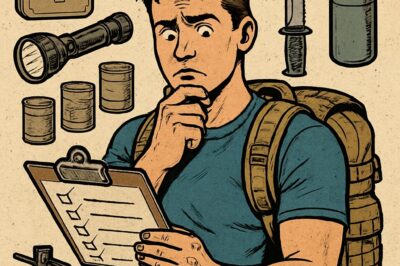
Your Preparedness Progress Review: How Ready Are You Really?
Most people overestimate their preparedness. Feeling ready and being ready are two very different things. An honest self-assessment is crucial to identify gaps, especially in areas like water storage and health. Regularly check and refresh supplies, because your preps have an expiration date…
-

Family Affair: How to Introduce Preparedness Culture At Home
Most families are unprepared for emergencies, with only 39% having a plan. Conversations framed around safety, not fear, can initiate preparedness at home. Building resilience through small, consistent habits involves everyone, including kids. Learn how a six-month practice schedule can bridge the gap between panic and calm…
-

How to Preserve Fresh Produce All Year Round
Stop tossing fresh produce. Extend its life from days to months with smart storage. Not every fruit or veggie belongs in the fridge! Discover proven techniques for preserving freshness, from freezing to the simple herb vase trick. Start with the freshest produce and transform your food storage game…
-

Staying Connected When Cell Towers Go Down
Cell towers can fail quickly in emergencies, leaving you without signal when it’s needed most. Discover reliable ways to stay connected, like two-way radios and mesh networks, along with essential tools like written communication plans and free alerts. Ensure you’re prepared when the network goes down…