
Article At A Glance
- Not all conflict is bad — task-based conflict actually sharpens decisions and strengthens group performance, while relationship conflict tends to erode trust.
- Silence isn’t the same as peace; if disagreement never gets expressed out loud, it’s not really being resolved, it’s just buried.
- There are five distinct types of conflict small groups face, and knowing which one you’re dealing with changes how you should respond.
- Groups that revisit conflict after it happens — rather than just moving past it — build stronger norms and deeper trust over time.
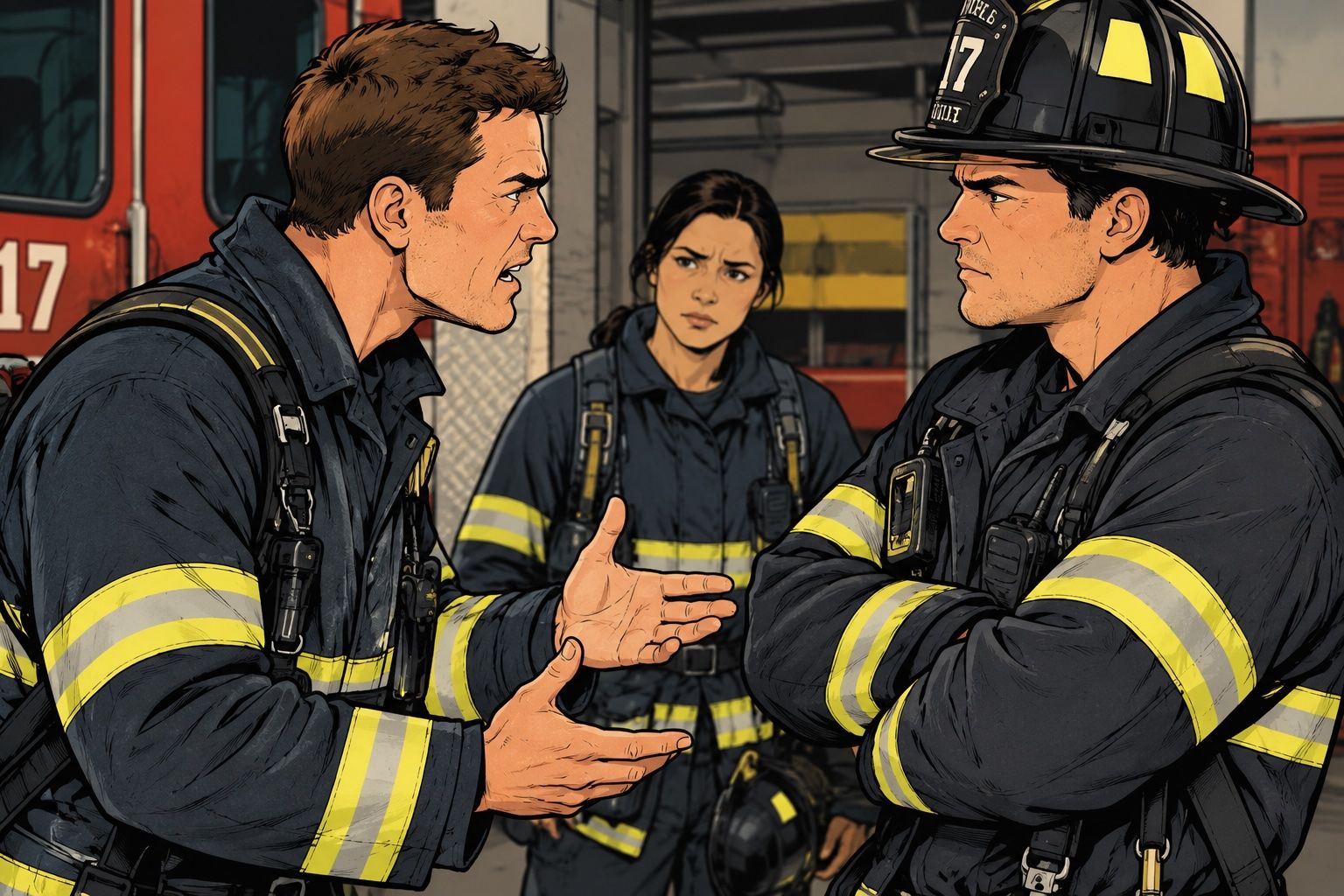
Every small group hits a wall eventually — someone disagrees, feelings get hurt, or the whole room goes quiet in a way that feels anything but peaceful. The good news? Conflict isn’t the enemy of a healthy group. How you handle it is what determines whether your team grows closer or falls apart.
Leaders who’ve spent years coaching churches and ministry teams through friction consistently point to one truth: groups that avoid conflict entirely often perform worse than groups that learn to engage it well. That’s because disagreement, handled right, surfaces blind spots and sharpens decisions before they become costly mistakes.
Why Some Conflict Actually Makes Your Group Stronger
It sounds backwards, but friction inside a group can be a sign of health, not dysfunction. When people feel safe enough to challenge an idea or question a plan, that’s a group doing real thinking together instead of just nodding along. Conflict, in this sense, acts like a pressure release valve — it lets dissatisfaction surface before it builds into resentment.
Research on group dynamics backs this up. Conflict allows social systems to readjust by eliminating sources of dissatisfaction before they calcify into bigger problems. A group that never disagrees isn’t necessarily a harmonious one — it might just be a group where people have stopped speaking up.
Task Conflict vs. Relationship Conflict: The Critical Difference
Here’s the distinction that changes everything: task conflict is good, relationship conflict is bad. Task conflict happens when people disagree about ideas, plans, or decisions — the “what should we do” kind of friction. Relationship conflict happens when disagreements turn personal, when it’s less about the plan and more about who said what and how it made someone feel.
Strong teams don’t just tolerate task conflict, they actively invite it. That means vigorously soliciting critiques of plans and assumptions, rather than waiting for someone to volunteer a dissenting opinion. Some groups even assign a rotating “devil’s advocate” role in meetings, someone whose job is to poke holes in the plan on purpose. Rotating the role keeps any one person from becoming the designated troublemaker.
Why Silent Disagreement Isn’t Really Conflict
If two group members secretly can’t stand each other’s ideas but never say so out loud, that’s not a resolved conflict — it’s an unexpressed one, and it’s often more dangerous. True conflict requires expression. Without it, frustration just sits there, waiting to come out sideways in sarcastic comments or passive resistance later on.
This is why leaders are encouraged to build a culture where “if you see something, say it” becomes an actual norm, not just a slogan. Teams that hold each other accountable to that standard — gently confronting someone who stayed quiet when they clearly disagreed — tend to catch problems earlier and resolve them faster.
The Sweet Spot: How Much Conflict Is Healthy
Too much conflict drains a group’s energy and derails its goals. Too little conflict breeds complacency and blind spots. The research is fairly clear that a moderate amount of conflict tends to produce the best outcomes for groups, striking a balance between critical thinking and functional harmony.
Finding that sweet spot isn’t about counting arguments — it’s about checking whether disagreements are happening over ideas (healthy) or turning into personal jabs (not healthy). A group meeting ground rules can be a useful place to write down what that balance looks like for your specific team.
5 Types of Conflict Every Group Faces
1. Conflicts of Substance Over Facts and Choices
This is the most straightforward type: people disagree about what choice to make because they’re working from different facts or interpretations of a situation. Maybe one group member thinks the budget numbers support expanding a program, while another reads the same numbers and sees a reason to scale back.
These conflicts tend to resolve the fastest because they’re rooted in information, not emotion. Laying out the facts clearly, and sometimes bringing in outside data, often settles the disagreement without much personal friction involved.
2. Conflicts of Value When Priorities Clash
Value conflicts run deeper than facts — they happen when people hold genuinely different values, or rank the same values in a different order. One person might prioritize speed and efficiency; another prioritizes thoroughness and care. Neither is wrong, but the clash can feel personal because values touch on identity. In such situations, it’s crucial to distinguish between observation and assumption to better understand each other’s perspectives.
These conflicts rarely get “solved” in the traditional sense. Instead, groups usually need to find a workable compromise that respects both sets of priorities, or agree on which value takes precedence in this particular situation.
3. Conflicts of Process Over How to Reach Goals
Sometimes everyone agrees on the destination but fights over the route. Process conflicts, also called task conflicts, happen when people share a goal but disagree on the method for getting there. This type of conflict is actually one of the healthiest, since it usually means everyone cares about the outcome and is just hashing out logistics. Understanding the difference between observation and assumption can be crucial in resolving such conflicts effectively.
4. Conflicts From Misperceived Differences
Some of the messiest conflicts happen when there’s no real disagreement at all — just a misreading of someone’s tone, intention, or action. One person sends a terse text because they’re busy, and the recipient assumes they’re angry. Suddenly there’s tension over something that was never actually true. Understanding the dynamics of conversational competitors can help in identifying and resolving such conflicts effectively.
Interestingly, some of the most serious conflicts occur between people who understand each other very well but still strongly disagree, which is different from misperception entirely. Sorting out whether a conflict is a genuine disagreement or just a misunderstanding is often the first and most important diagnostic step a group can take.
5. Relationship Conflicts That Hit Close to Home
Relationship conflicts are the trickiest of the bunch because they’re rarely admitted for what they are. Also known as personality clashes, these conflicts often involve people’s egos and sense of self-worth, which means they frequently get disguised as disagreements about something else entirely — a meeting time, a decision, a joke that landed wrong.
What makes relationship conflict so corrosive is that it often arises from an unspoken struggle for superiority or status within the group. Someone might push back hard on an idea not because the idea is bad, but because they feel overlooked or undervalued. Left unaddressed, this kind of conflict quietly poisons group dynamics long after the original trigger is forgotten.
Sarcastic jokes can become a norm on teams, and though they appear innocent, those sideways comments often carry more weight than anyone intended — a telltale sign that relationship conflict is simmering beneath the surface.
Spotting relationship conflict early means paying attention to tone, not just content. If a disagreement keeps resurfacing in different forms, or if someone’s reactions seem bigger than the issue at hand, it’s worth asking whether something deeper is going on.
How to Turn Conflict Into a Learning Moment
Resolving a conflict in the moment is only half the job. The groups that build real trust over time are the ones that circle back afterward and treat the disagreement as information, not just an obstacle to clear away. This turns an uncomfortable moment into a chance to understand each other better.
Revisit the Conflict at Your Next Meeting
Once the heat of the moment has passed, bring the conflict back up — on purpose. Taking time in the next team meeting to ask all group members for their thoughts and feelings about what happened shows that the group takes relationships seriously, not just outcomes. This doesn’t need to be a heavy, formal process; even five minutes of honest reflection can surface things that were missed in the original exchange.
Discuss Each Person’s Emotional “Touch Points”
Every person carries certain triggers — topics, tones, or situations that hit a nerve faster than others. Talking openly about what your team learned regarding one another’s touch points helps prevent the same conflict from resurfacing in a slightly different costume next month. This kind of conversation requires some vulnerability, but it pays off in fewer repeat conflicts down the road.
Write New Ground Rules Based on What You Learned
Insight that isn’t captured tends to evaporate. Whatever the group learns from working through a conflict should get folded into the team’s actual ground rules when relevant, so it becomes part of how the group operates going forward rather than a lesson that quietly fades. Understanding observation vs. assumption can also enhance how these ground rules are formulated.
This step is often skipped, but it’s the one that compounds over time. A group that updates its norms after every significant conflict ends up with a living document that reflects real experience, not just good intentions written on day one.
What Happens When Conflict Goes Unresolved
Ignoring conflict doesn’t make it disappear — it just changes shape. Unresolved tension tends to resurface in less direct, more damaging ways, and the longer it sits, the harder it becomes to untangle. Understanding the difference between observation and assumption can be crucial in addressing and resolving these conflicts effectively.
Lost Focus on Goals and Performance
When conflict goes unaddressed, energy that should go toward the group’s actual purpose gets redirected toward managing tension instead. People start spending mental bandwidth navigating around a disagreement rather than solving the problem the group exists to solve. This situation can be exacerbated when team members become conversational competitors, focusing more on winning arguments than on collaboration.
Rising Stress and Psychological Strain
Unresolved conflict doesn’t just stay contained to meeting time — it follows people home. Continued conflict can take a heavy toll on psychological well-being and plays a major role in stress and its physical consequences. Over weeks or months, this strain adds up, affecting everything from sleep to motivation to how people show up for the group.
The warning signs are often subtle at first but tend to escalate if ignored:
- Group members start avoiding certain topics or each other entirely
- Participation drops off, especially from people involved in the original conflict
- Small irritations get amplified far beyond what they’d normally warrant
- Side conversations and private complaints increase outside of group meetings
- Overall energy and enthusiasm for the group’s purpose starts to fade
Breakdown of Group Cohesion and Trust
Left unchecked, ongoing conflict affects the social climate of the entire group, not just the individuals directly involved. Group cohesiveness — that sense of “we’re in this together” — erodes when tension lingers unaddressed, and it’s far harder to rebuild than it is to maintain.
This is why addressing conflict early, even imperfectly, beats waiting for the “right moment” that often never comes. A group that deals with friction head-on, even clumsily, tends to stay more connected than one that lets silence do the talking.
The 4-Stage Conflict Process Explained
Understanding how conflict actually unfolds can make it far less intimidating to deal with. Kenneth Thomas developed a widely accepted model breaking the conflict process into four stages: frustration, conceptualization, behavior, and outcome. Recognizing which stage a conflict is in helps a group respond appropriately instead of reacting on instinct.
Stage 1: Frustration Builds First
Every conflict starts somewhere, usually with a quiet sense that something isn’t right. A group member feels unheard, a decision doesn’t sit well, or an offhand comment lingers longer than it should. This frustration stage is often invisible to everyone except the person experiencing it, which is exactly why building a culture where people feel safe speaking up matters so much before things escalate.
Stage 2: Conceptualizing What’s Really Wrong
Once frustration takes root, the next step is making sense of it — naming the problem, even if only in that person’s own head at first. This is a critical turning point, because how someone frames the issue in their mind shapes everything that follows. Someone who interprets a missed deadline as laziness will react very differently than someone who interprets it as overload or miscommunication.
This stage is also where misperceptions tend to creep in. People naturally fill gaps in information with assumptions, and those assumptions aren’t always accurate. A sharp tone in a text message might get read as anger when it was really just someone typing quickly between tasks. It’s important to remember that confidence doesn’t always equal competence, and misinterpretations can arise from misjudging the intent behind messages.
Leaders who understand this stage can intervene early by asking clarifying questions instead of letting assumptions calcify into certainty. A simple “what did you mean by that?” at this point can stop a conflict from ever reaching the next stage. For more insights, consider exploring the concept of conversational competitors to enhance your communication skills.
Stage 3: Behavior and How People React
Eventually, internal frustration turns into visible action — a sharp comment, a pushback in a meeting, or a noticeable change in someone’s tone or participation. This is the stage most people think of when they picture “conflict,” but it’s really just the surface of a process that’s been building quietly for a while. Understanding the difference between observation and assumption can be crucial in navigating these conflicts effectively.
How a group responds in this moment determines everything. Addressing the behavior calmly and directly, rather than reacting with matching intensity, tends to de-escalate things fast. Groups that have already established norms around healthy disagreement find this stage far less threatening, since everyone already expects some friction as a normal part of working together.
Stage 4: The Outcome and What Comes Next
Every conflict ends somewhere, whether that’s genuine resolution, an uneasy truce, or lingering resentment that resurfaces later in disguise. The outcome stage is where the earlier groundwork pays off: revisiting what happened, naming each person’s emotional touch points, and updating the group’s ground rules all shape whether the conflict ultimately strengthens the group or quietly chips away at it.
Frequently Asked Questions
Conflict in small groups tends to raise the same handful of questions no matter the setting, whether it’s a church small group, a work team, or a neighborhood committee. Below are straightforward answers to the ones that come up most often.
What is the fastest way to resolve conflict in a small group?
The fastest way to resolve conflict in a small group is to name it directly the moment it surfaces, rather than letting it simmer beneath the surface. Pausing the conversation to acknowledge the tension, asking each person involved to share what they’re feeling and why, and then getting back to the group’s actual work as quickly as possible tends to stop small disagreements from snowballing into bigger ones.
This doesn’t mean rushing past the issue. It means addressing it with enough honesty to clear the air, even if the deeper conversation needs to happen later in a smaller setting.
How do you tell the difference between healthy and harmful conflict?
Healthy conflict stays focused on ideas, plans, and decisions, while harmful conflict shifts toward personal attacks, sarcasm, or jabs at someone’s character. If the disagreement centers on what the group should do next, it’s likely task conflict worth encouraging. If it starts feeling personal or someone’s reaction seems bigger than the issue at hand, that’s a signal relationship conflict has entered the picture.
What should a group do if someone refuses to talk about a conflict?
Start with a private, one-on-one conversation rather than putting someone on the spot in front of the entire group. Give that person space to share their perspective without judgment, and if the conflict still isn’t resolved, keep working it out individually until both sides reach a place of understanding before bringing anything back to the wider group.
Can too little conflict actually hurt a group?
Yes, surprisingly often. A group with too little conflict isn’t necessarily more harmonious — it may just be quieter about its problems. Without healthy disagreement, bad ideas go unchallenged, blind spots multiply, and frustration can build silently until it eventually surfaces in more damaging, less direct ways.
This is part of why experienced facilitators actively invite pushback rather than waiting for it to happen on its own. A group that never disagrees is often a group where people have simply stopped speaking honestly. For more insights on communication dynamics, consider exploring the concept of conversational competitors.
How often should a group revisit past conflicts?
- Within the very next meeting after a conflict occurs, while details are still fresh
- Any time a similar disagreement starts to resurface in a slightly different form
- During regular check-ins where group members reflect on how the team is working together
- Whenever new ground rules need to be written or updated based on what was learned
- Before welcoming new members, so the group’s hard-won lessons don’t get lost over time
There’s no strict formula for timing, but waiting too long risks losing the nuance of what actually happened and why. The sooner a group revisits a conflict with honesty, the more useful the lessons tend to be.




Leave a Reply